Motorcycling Guide to West Virginia
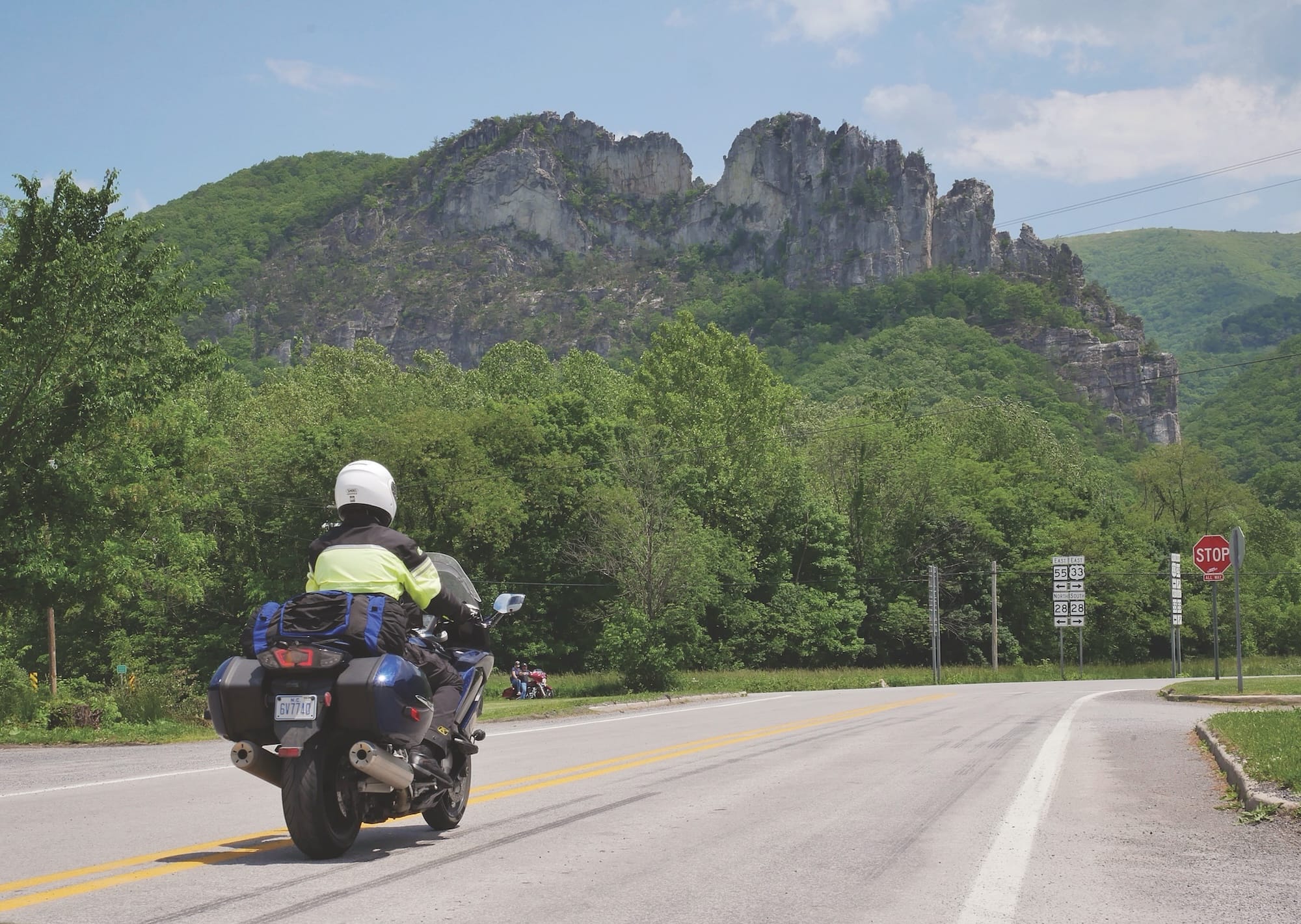
A famous song calls West Virginia “almost heaven.” For riders looking for thrilling, curvy routes, the Mountain State is just that.
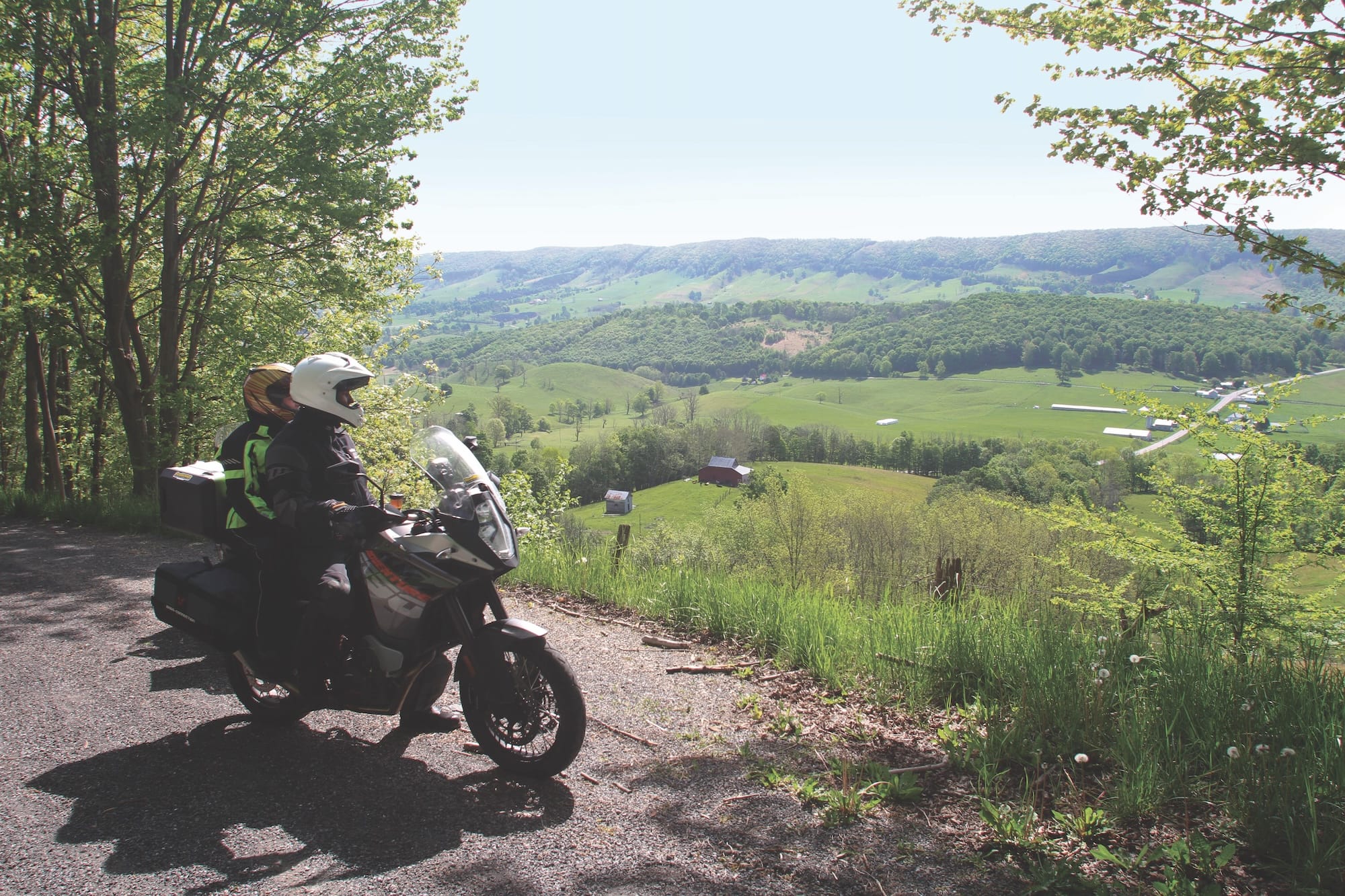
Although the mountains may not be as high as those out west, West Virginia rivals them with far-reaching views and often overlooked roads that twist between peaks and valleys. Scattered throughout the state are also small towns full of Appalachian hospitality.
West Virginia isn’t as famous among motorcyclists as it deserves, but that only means you’ll have the roads all for yourself. Here’s everything you need to know about riding in the Mountain State.
Geography of West Virginia
West Virginia is situated entirely within the Appalachians. Consequently, mountains abound all around. It’s almost like this is the Mountain State or something.
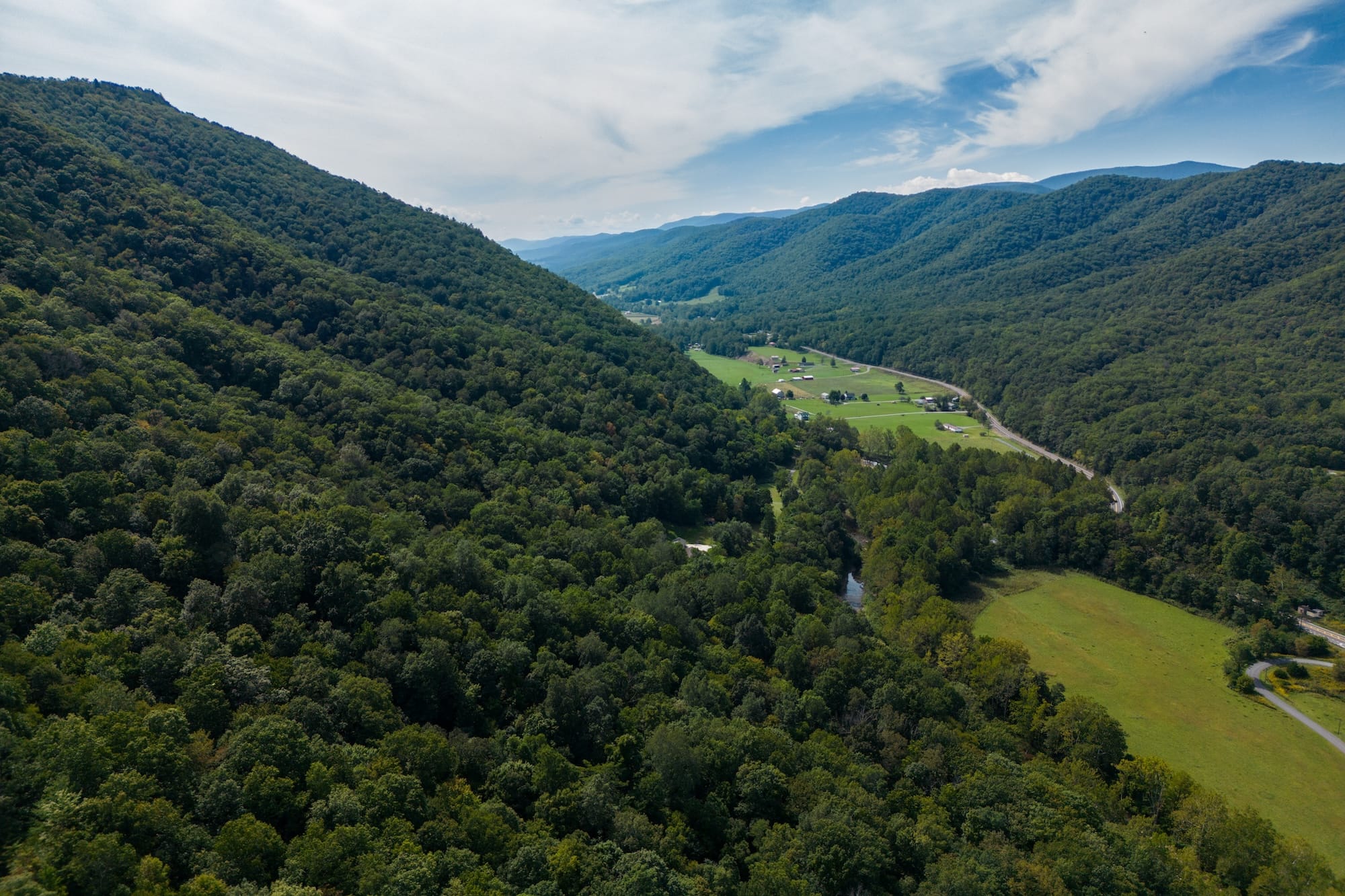
The average elevation in West Virginia is around 1,500 feet, making it the highest of any state east of the Mississippi River. However, the entirety of the state isn’t towering mountains, and the heights come with equally deep valleys between them.
Most of West Virginia (roughly 75%) is located on the Allegheny Plateau. The topography of this elevated region is highly irregular, with the terrain from rugged to extremely rugged at altitudes reaching from 1,000 to 4,000 feet above sea level. The only flatter areas are in the river valleys that cut through the plateau. This is also where you’ll find most of West Virginia’s famous coalfields.
Moving to the east, you’ll enter the Ridge and Valley Province, part of the same landform that extends into Virginia (from which they were ceded during the Civil War). In precise terms, West Virginia’s mountains consist of the Allegheny and Cumberlands ranges of the Appalachians.
The high mountain ridges reach well above 4,500 feet, with Spruce Knob, West Virginia’s highest point, capping at 4,863 feet. As in Virginia and Pennsylvania, the fertile valleys between the ridges are home to small towns and plentiful farms. If the mountain curves begin to tire you out, you can always find a place to rest in the next valley.
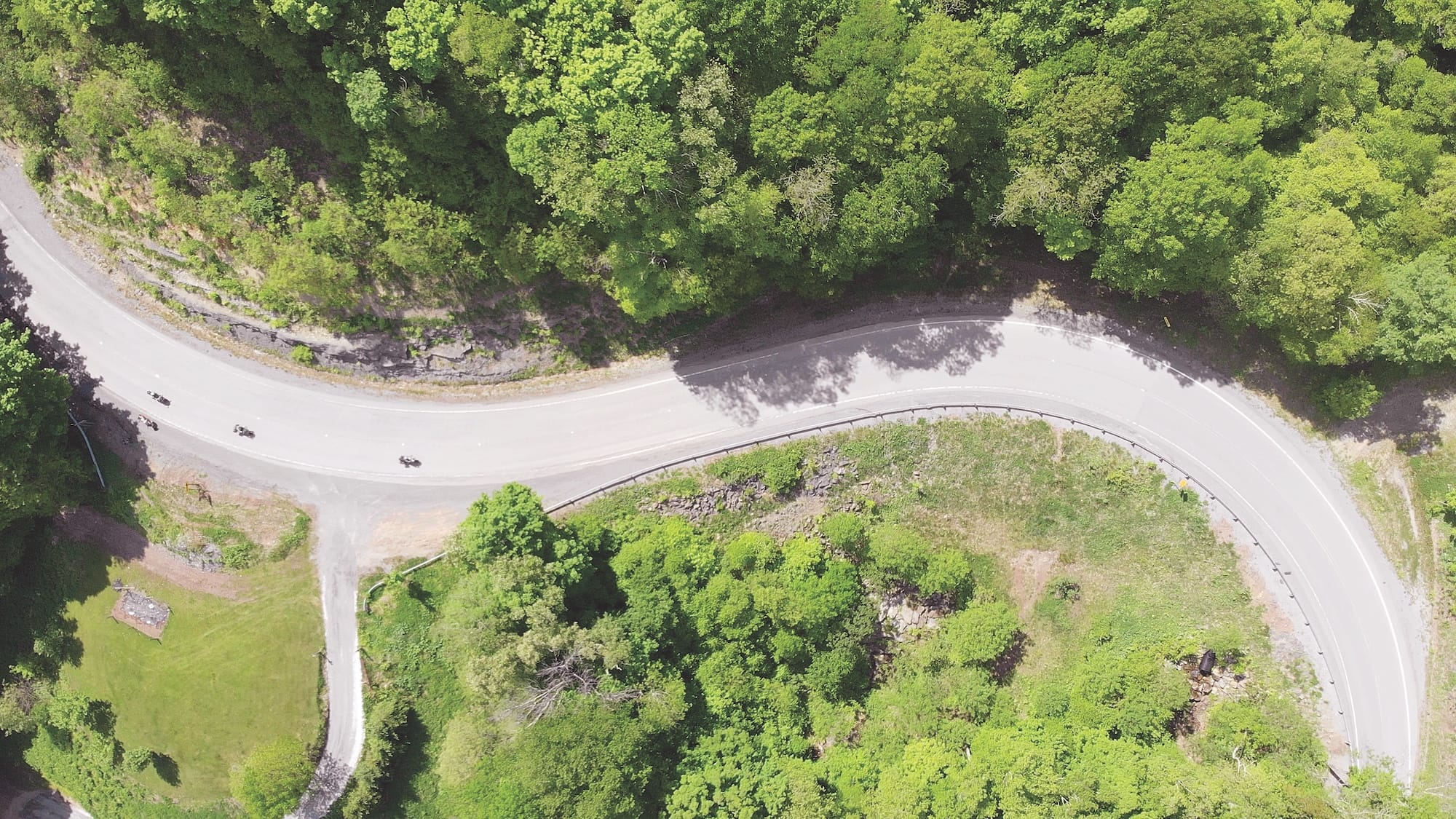
Several major rivers cut through the mountains. The Ohio River forms West Virginia’s western border, while in the south, the state is limited by the Big Sandy River. In addition, the Kanawha, Monongahela, Potomac, and New River flow in the valleys.
At this point, you might be wondering why I haven’t mentioned the Blue Ridge Mountains, the Shenandoah River, or other things mentioned in John Denver’s “Take Me Home, Country Roads.” Although the song has been adopted as West Virginia’s unofficial anthem, it’s not very accurate in reality.
The Blue Ridge Mountains only enter West Virginian territory at the very tip of the state’s eastern panhandle around Harper’s Ferry. Similarly, the Shenandoah meanders through West Virginia only for about 20 miles around the same region; it’s hardly the state’s defining feature.
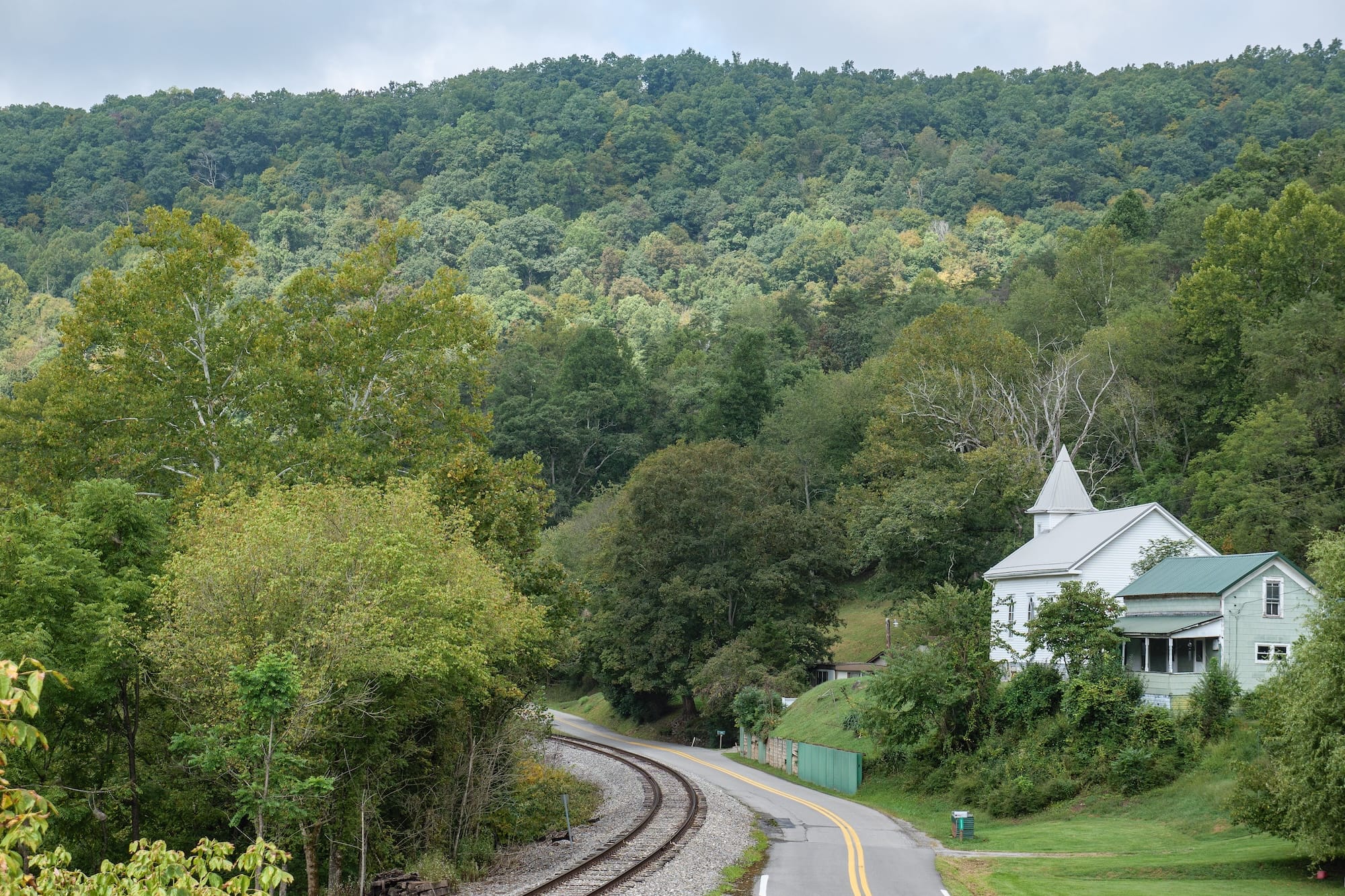
The “Country Roads” writer Bill Danoff himself admitted that he’d never been to West Virginia before penning the song and originally wanted to write about his home state, Massachusetts. He just couldn’t get the rhyme scheme to work.
Top Routes and Destinations in West Virginia
Ride the High 5 is a collection of motorcycling routes that offers arguably the most famous and best riding in the state. These roads zigzag through five counties in northeastern West Virginia, taking you on an intoxicating romp through the mountain curves. Our Ride the High 5 route hits the finest twisties. For more information and a complete map, visit the Ride the High 5 website.
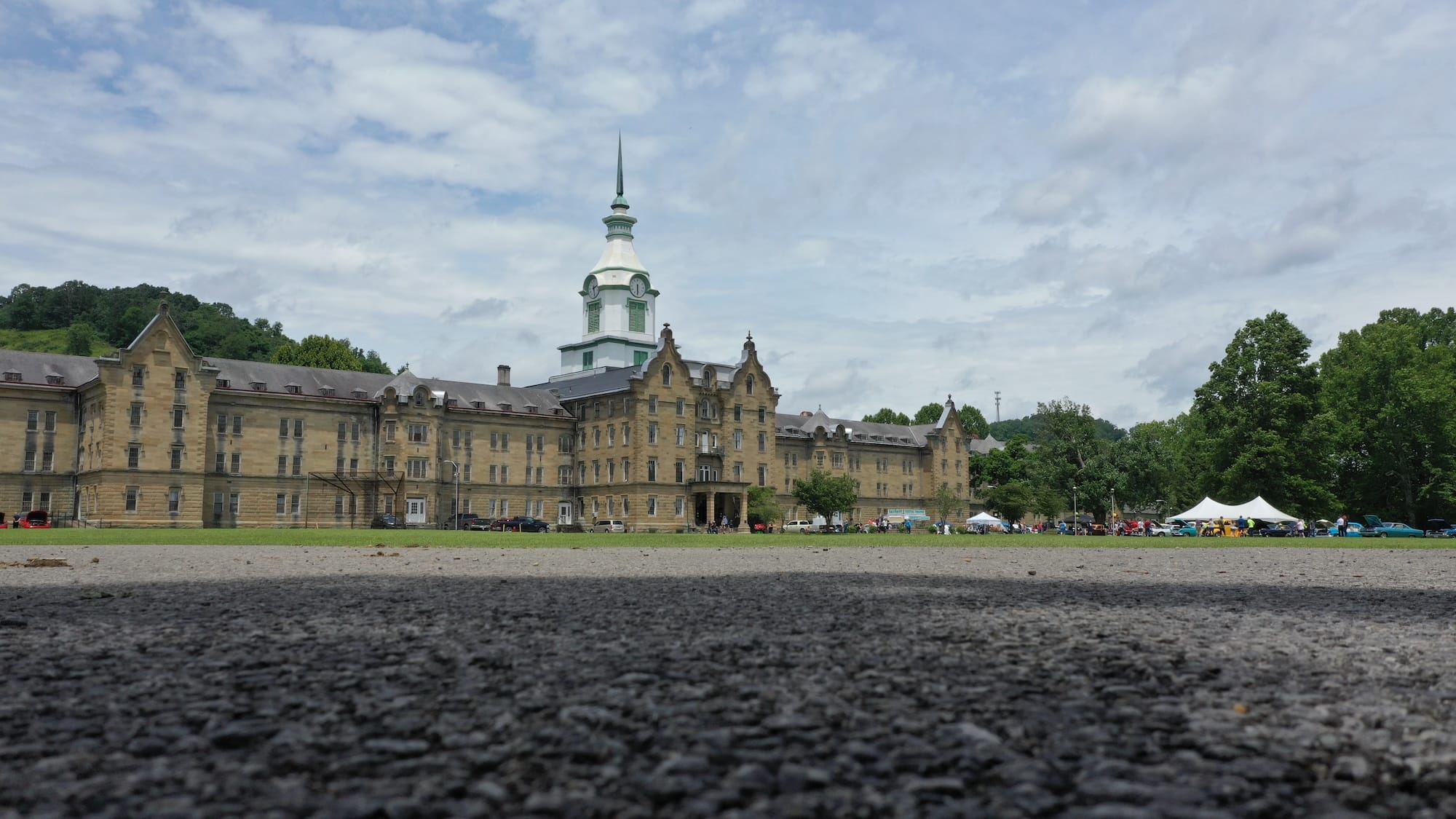
Another way to explore the choicest West Virginian roads is to base your ride out of Weston. This small city gives you easy access to the western plateau, the eastern mountains, and everything in between. It’s also home to curious sights and attractions, like the Trans-Allegheny Lunatic Asylum. For inspiration and a pre-prepared route, check out our Weston, WV, Shamrock Tour®.
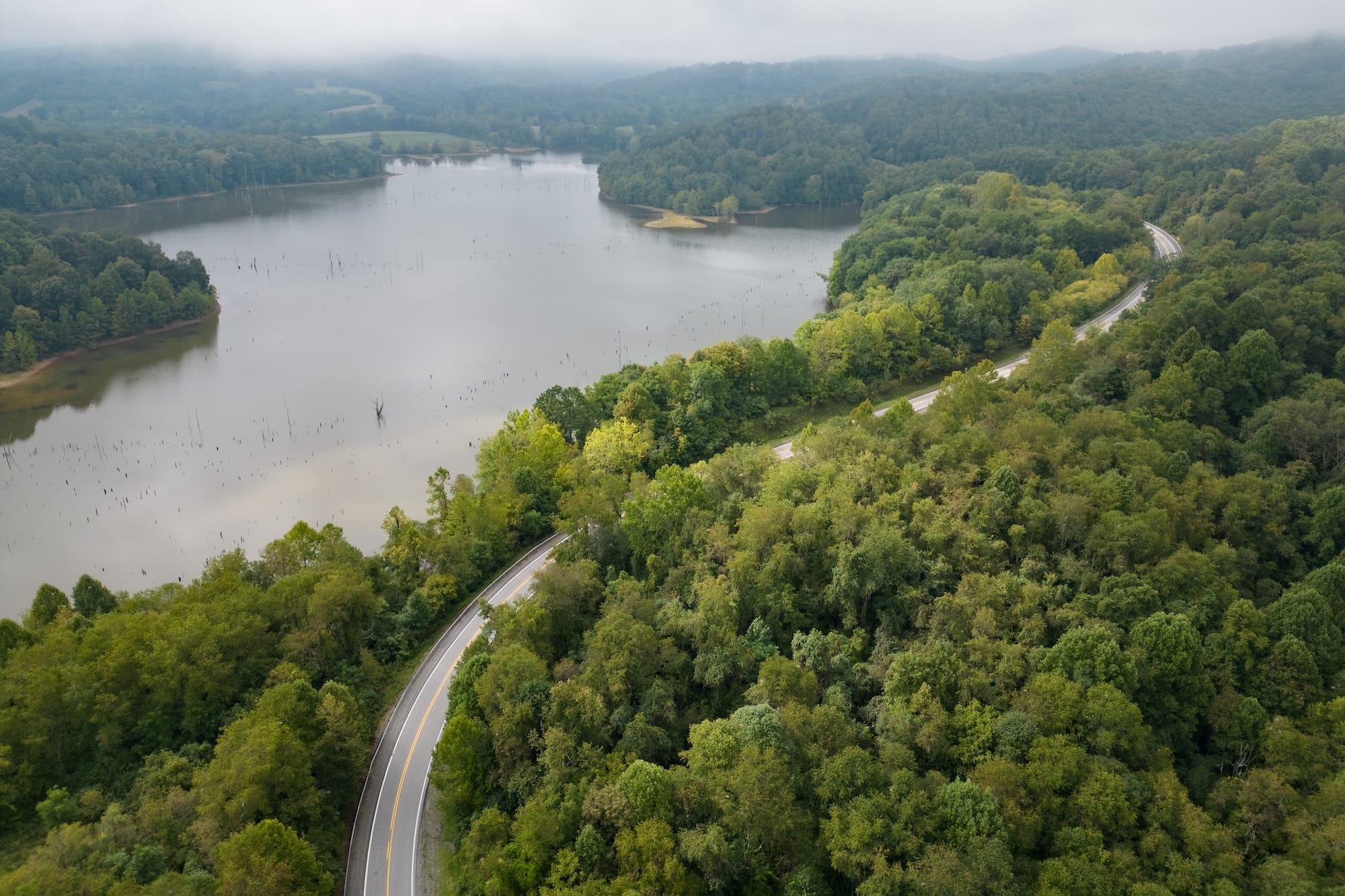
As the Civil War erupted, West Virginia was still only western Virginia. Over the course of the conflict, multiple battles took place in the area, both before and after it broke off into its own state. The RoadRUNNER WV Civil War Tour hits some of the most important locations on both sides of the Virginia-West Virginia border.
West Virginia is also well-known for its coal-mining heritage—so much so that there’s an entire motorcycling route dedicated to exploring this history. The West Virginia Coal Heritage Trail juxtaposes scenes of early West Virginia coal mining against a backdrop of breathtaking scenery. You can explore this route combining history, heritage, and gorgeous views on a loop out of Bluefield.
Young George Washington spent a lot of his youth in West Virginia’s eastern panhandle as a land surveyor. The George Washington Heritage Trail tracks his movements through the area and brings you to locations that proved important in turning the young surveyor into our country’s first president. The official route isn’t always that interesting to ride, but our modified George Washington Heritage Trail route still takes you to all the same points of interest along great roads.
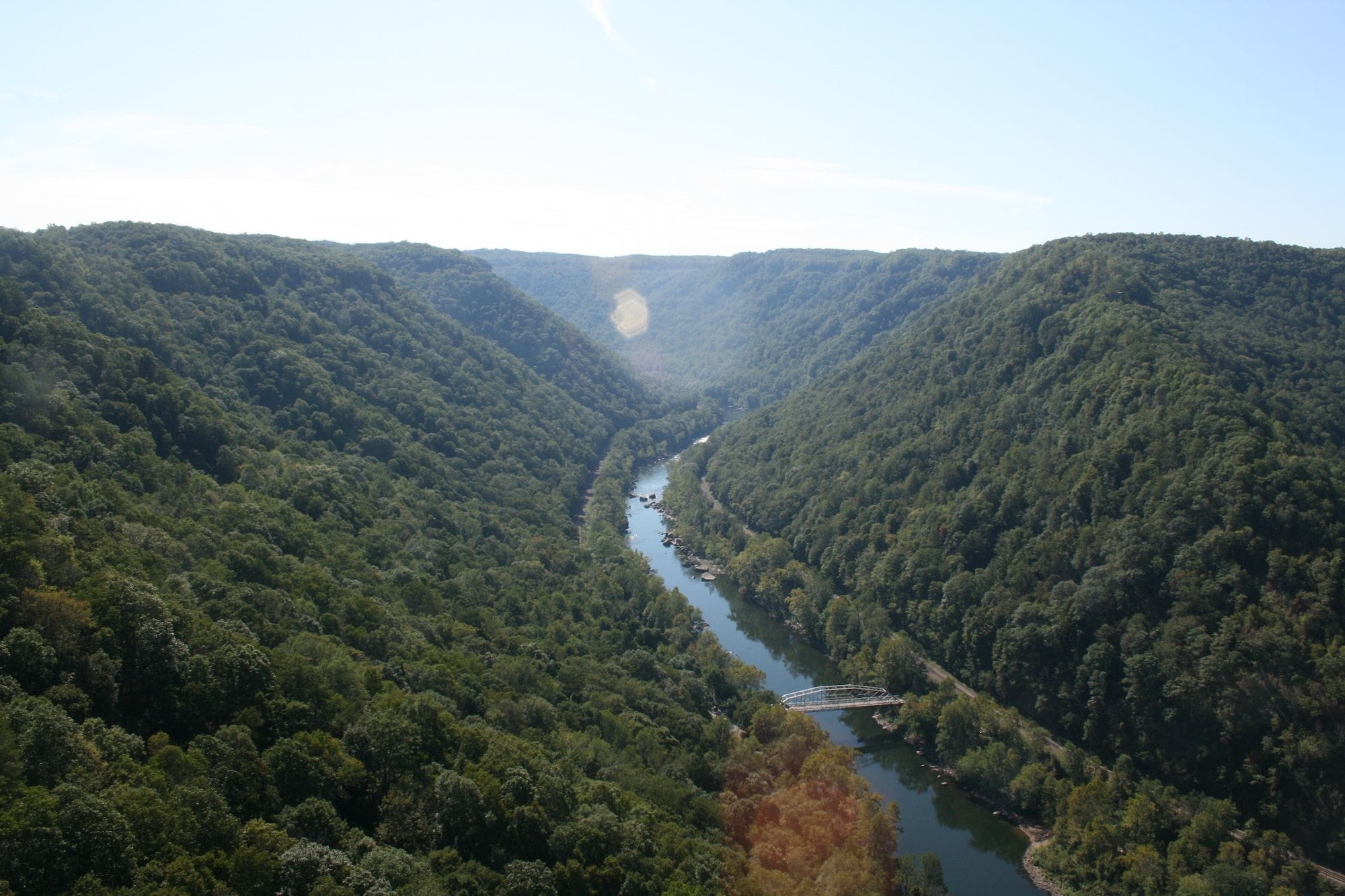
The Monongahela National Forest covers a large swath of the Allegheny Mountains and offers first-class opportunities not just for motorcycling but also for various outdoor activities, from hiking to fishing. A great home base for exploring the national forest is Snowshoe. Our Snowshoe, WV, Shamrock Tour takes you on four different routes in this gorgeous area.
Speaking of fishing, did you know that West Virginia is where you can catch the legendary bright yellow golden trout? Your motorcycle is a prime vehicle for taking you to the best fishing spots. However, make sure to pack plenty of patience with your rod, as the slippery fish is elusive. The city of Petersburg is your home for getting to the finest fishing waters in the state.
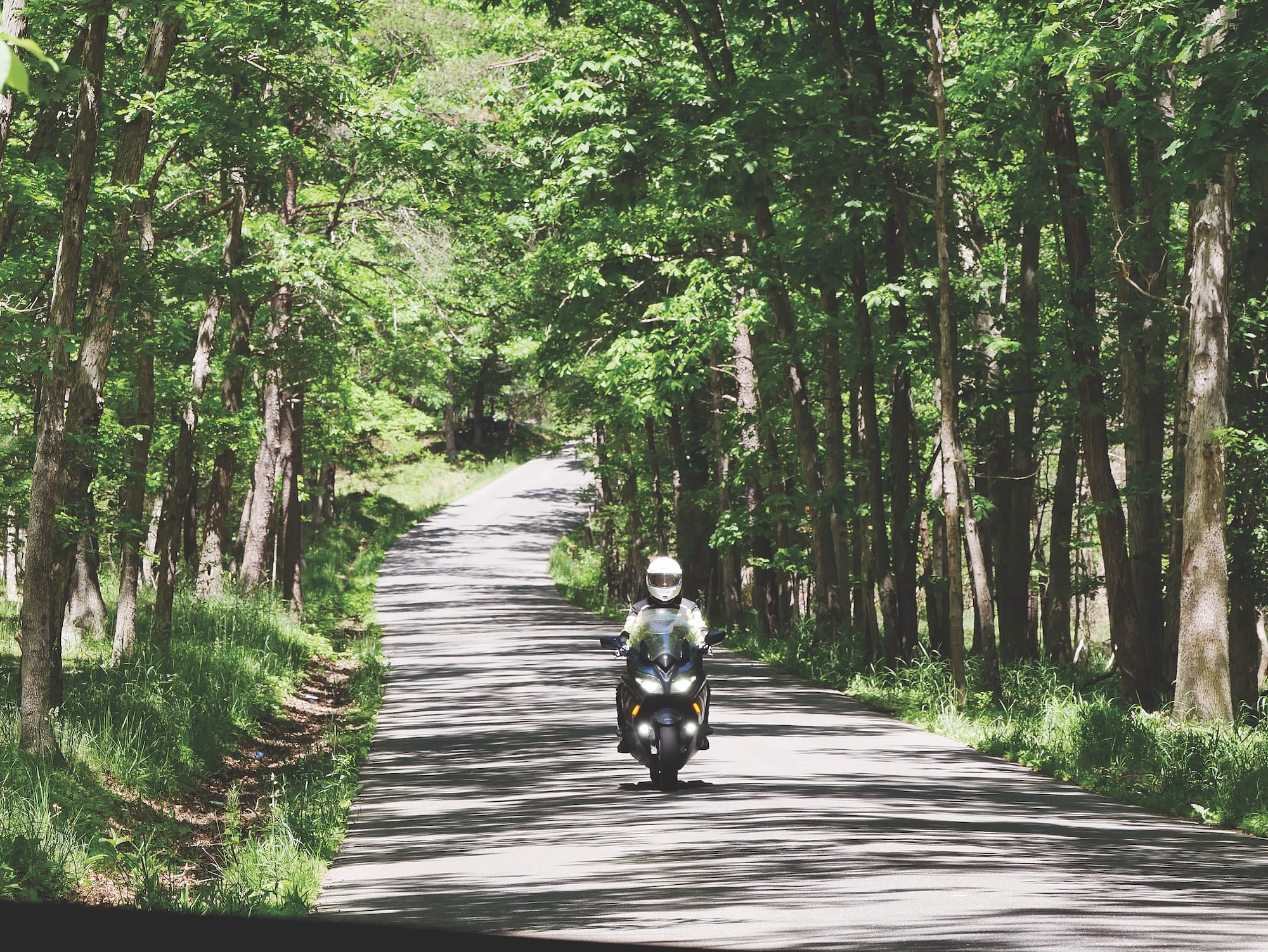
West Virginia isn’t all about the eastern high mountains, though. The southwestern parts of the state are also a thrilling motorcycle playground, with wooded rolling hills, peaceful farmland, hidden swimming holes, far-reaching vistas, and so much more. Our Heart of the Appalachia tour prowls West Virginia’s southwest corner, in addition to excellent roads in Virginia.
If you have time to ride only one road in West Virginia, make it SR 16. This snaking 125-mile road between St. Mary’s and Gauley Bridge throws a full menu of every type of curve you can imagine at you. It’s no wonder it’s counted among the twistiest roads in the Southeast U.S.
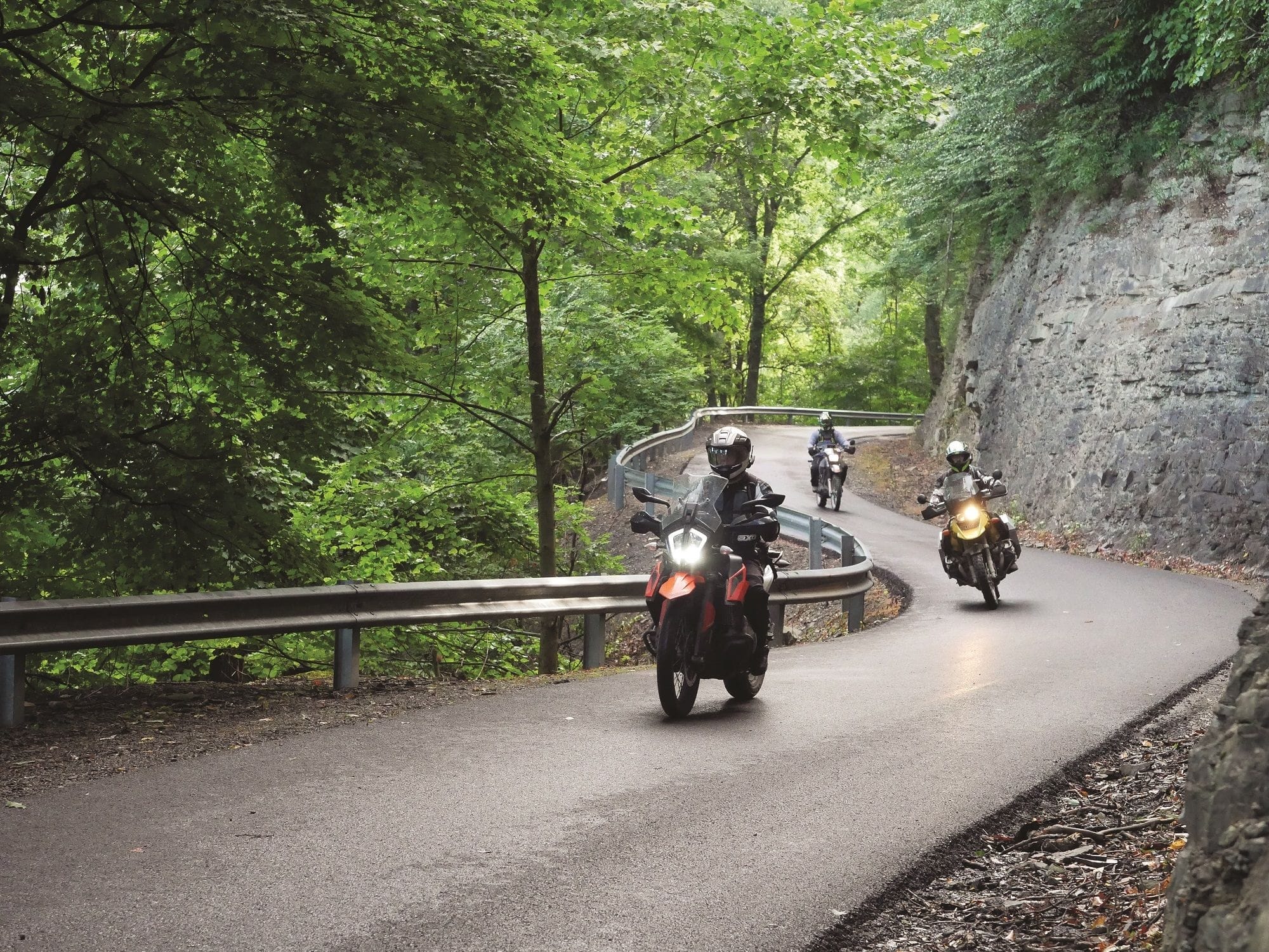
In central West Virginia, you can find the tiny community of Booger Hole. Why does it have such a bizarre name? I could tell you, or you could ride over there and ask the locals to regale you with the story.
ADV Motorcycle Routes in West Virginia
West Virginia’s mountainous acres make for splendid ADV and off-road motorcycling grounds. Whether you like hard-packed and graded roads or narrow natural trails, you’re in for a treat.
The best-known off-roading route through West Virginia is likely the Mid-Atlantic BDR. It follows the trails of the Monongahela National Forest while also extending north to Pennsylvania, south to Virginia, and beyond.
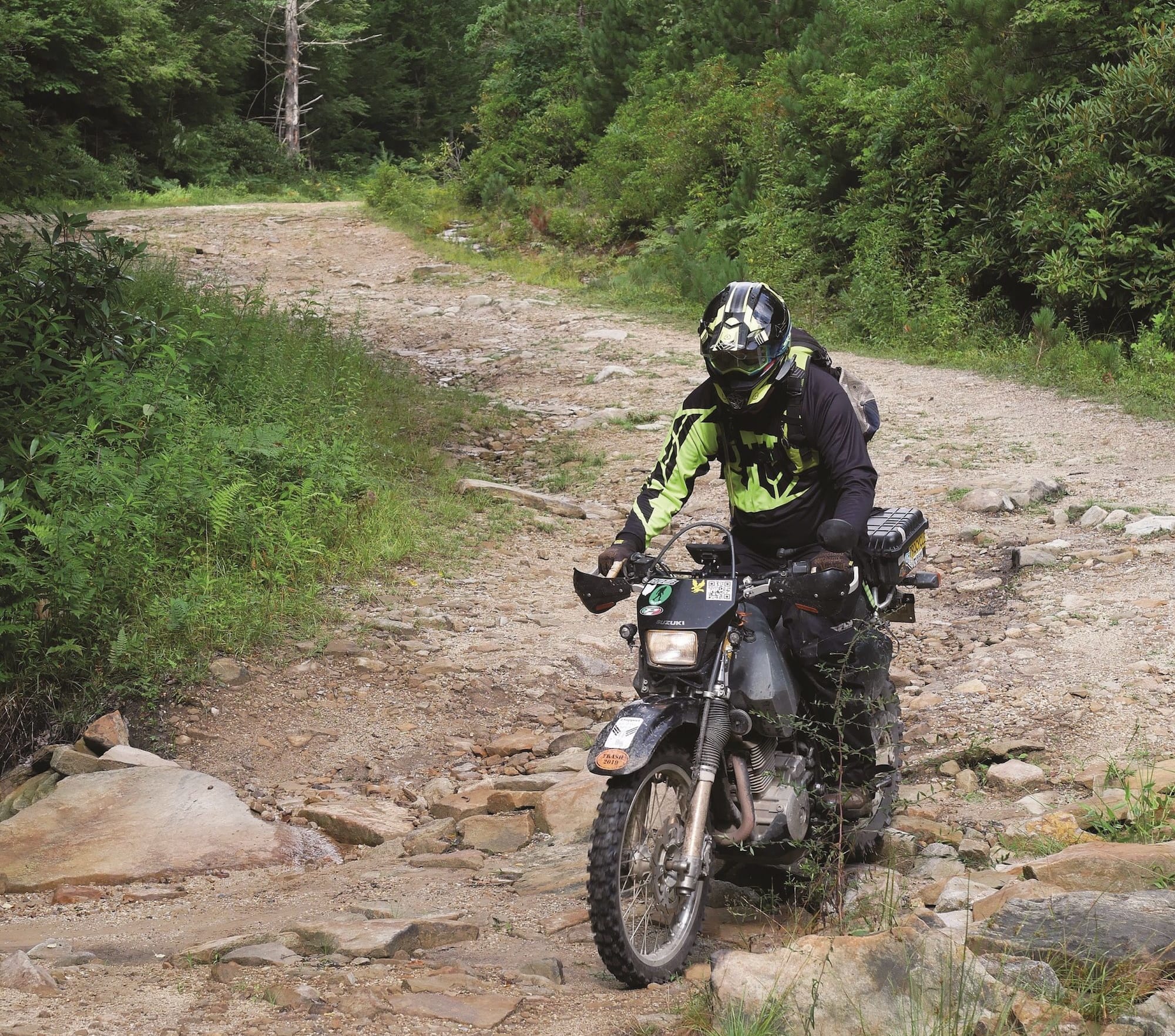
The Monongahela National Forest, in general, is a haven for gravel enthusiasts. It has a cavalcade of legal forest roads that allow you to prowl the woods and mountains without a larger goal in mind.
You can also head to the New River Gorge area for even more forest roads and trails that motorcycles are allowed on. There are multiple companies offering guided ADV tours in this region, in case you don’t feel like doing your own planning.
I should also mention the Hatfield-McCoy Trails in southern West Virginia. This conglomeration of private trail systems, some of them interconnected, offers hundreds of miles of dirt for you to rip through.
Tips for Motorcycling in West Virginia
The best riding time in West Virginia generally lasts from early summer to fall. Snow and ice can linger on the mountain roads into May, which can make early spring rides unfeasible. Fall brings with it beautiful leaves to enhance the scenery, but also leaf litter on the roads. If you layer properly, the riding season can last into November (although the views get barren at that point).
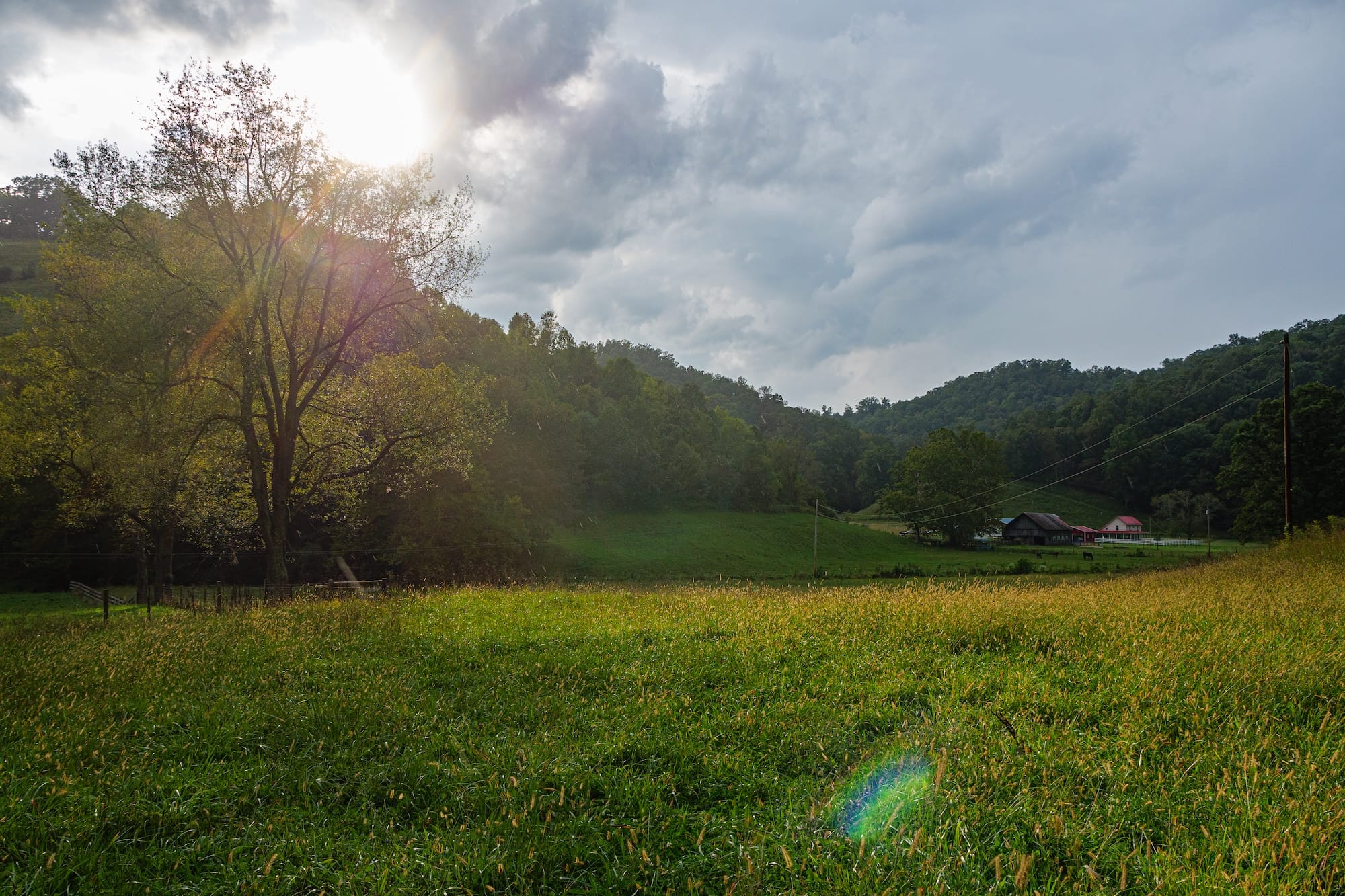
Weather in the mountains is notoriously volatile throughout the year. Afternoon thunderstorms are very common in summer and can bring with them high winds and torrential rain. Fog rises quickly in the ridgelines and in the hollows on humid days and under other conditions and may reduce visibility to zero.
With West Virginia’s altitudes come dramatic temperature swings between the mountains and valleys. The temperature difference can be 20 degrees or more, so do as I said earlier and layer up.
And as fun as the mountain roads are, they’re unforgiving. Limited sightlines, rapid-fire curves, 10% (or higher) grades, and no shoulders leave no room for mistakes. The demanding conditions can exhaust even experienced riders, but fortunately, small towns where you can take a break are typically not far away.
Cell service can be nonexistent between the mountains. Investing in a satellite emergency transmitter for longer tours may not be a bad idea.
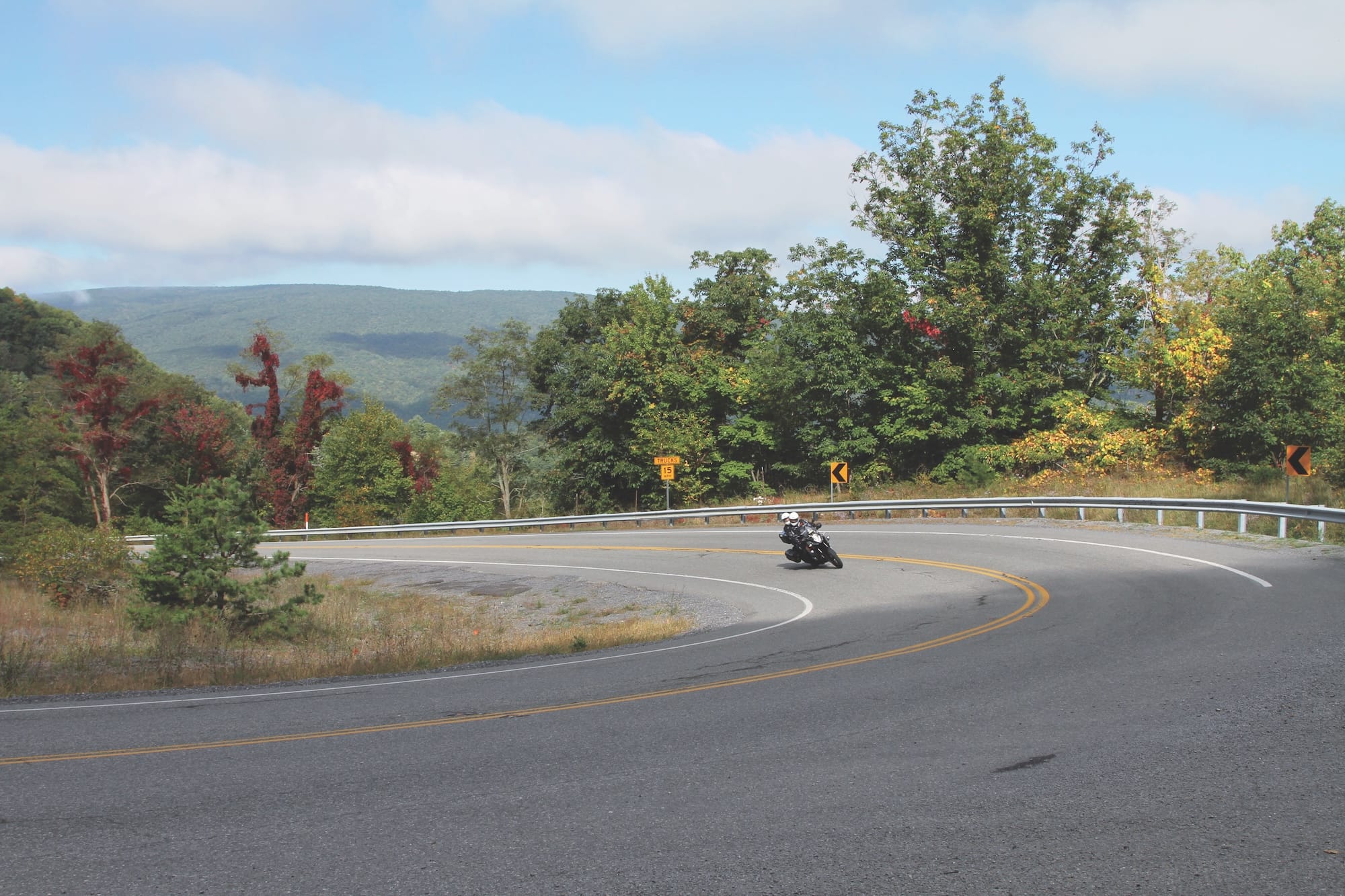
Pavement quality in the mountains can vary dramatically. Most paved roads are alright, but some are seriously degraded. The more remote ones can have leaves, debris, gravel, and coal dust on the surface.
Generally, you’re likely to encounter little traffic on most roads. In the south, however, large work vehicles and trucks are common on the narrow roads. Keep your distance and be cautious.
West Virginia law dictates that both the rider and passenger wear a helmet. The state allows only single-lane operation for motorcycles, meaning no lane splitting or riding side by side. As a unique quirk, motorcycles predating 1973 do not need to have turn signals, but the rider must clearly indicate with their arms which way they’re turning.
West Virginia motorcycle events include:
- Dirt Days (spring)
- Big Mountain Revival (summer)
- Hellbender Hootenanny (summer)
- CMA Rallies (late summer)
- Blackwater ADV Rally (late summer)
- Head for the Hills Festival (fall)
Off-Bike Activities in West Virginia
You’d better be a fan of outdoor activities, as that’s what West Virginia offers for the most part for your time off-saddle. That said, you can also find historical sites and museums to take you back to the Mountain State’s colorful past.
Popular tourist destinations in West Virginia include:
- Monongahela National Forest
- Blackwater Falls State Park
- Seneca Rocks
- Spruce Knob
- Dolly Sods Wilderness
- Lost Words Caverns
- Seneca Caverns
- New River Gorge Bridge
- Trans-Allegheny Lunatic Asylum
- The Greenbrier & Cold War Bunker
- Beckley Exhibition Coal Mine
- West Virginia State Museum
- Harpers Ferry National Historical Park
- Snowshoe Mountain Resort