Motorcycling Guide to Virginia

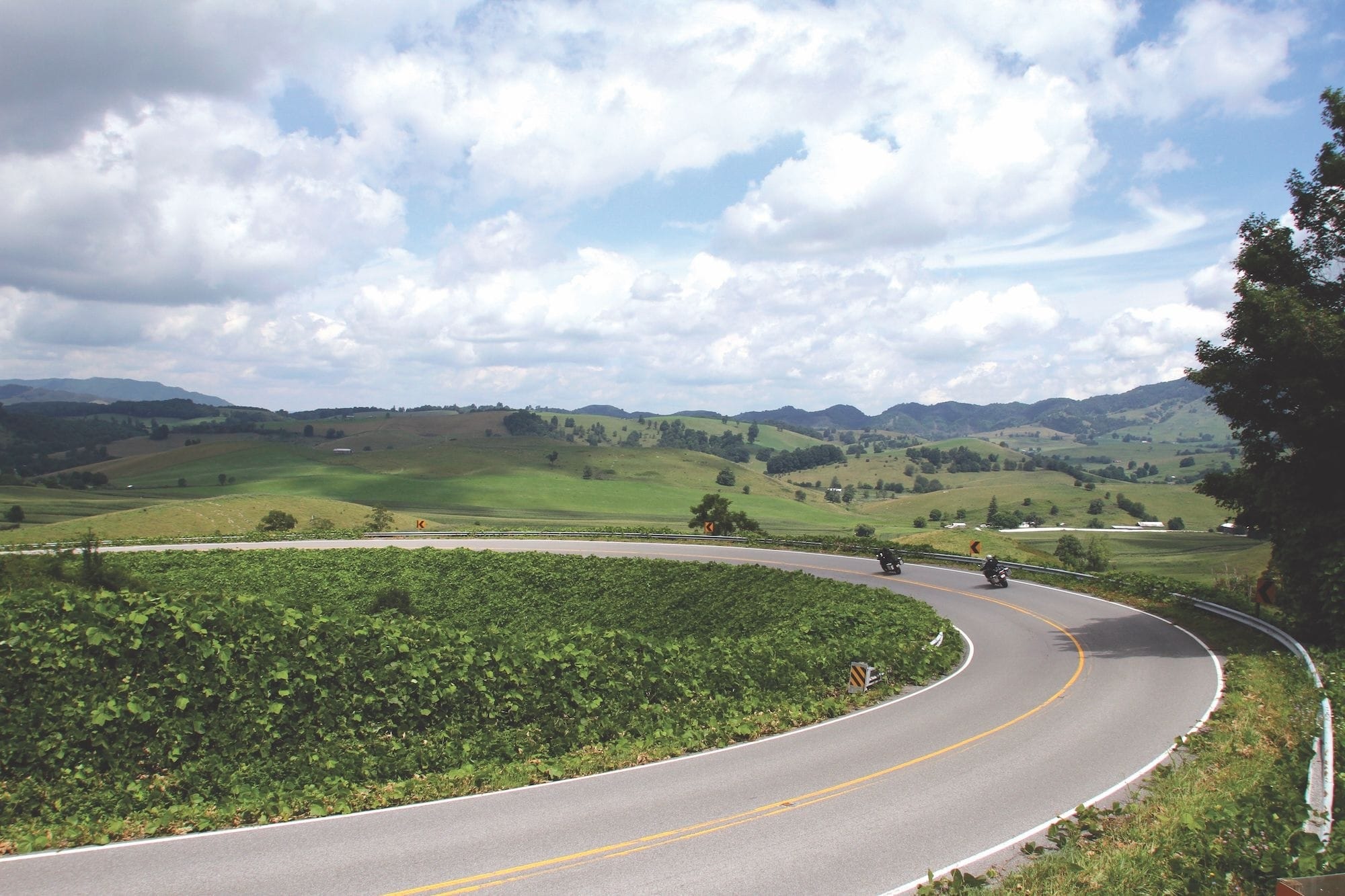
Virginia is one of the most important states in American history. It has played a major role in the colonial times, during the country’s struggle for independence, the Civil War, and beyond.
Today, its varied landscapes and rich past make Virginia an incredible playground for motorcyclists. Over one day’s ride, you can pass through key historical locations, stunning natural scenery, and motorcycle-friendly small towns alike.
With so much in one state, it can be difficult to choose where you should ride. This article will help you plan your tour with everything you need to know about motorcycling in Virginia.
Geography of Virginia
Virginia’s geography largely resembles that of most other East Coast and Mid-Atlantic states. Having been subject to the same glaciation and other geographical forces as Pennsylvania and North Carolina, for example, Virginia is similarly divided into distinct regions from the east to the west.
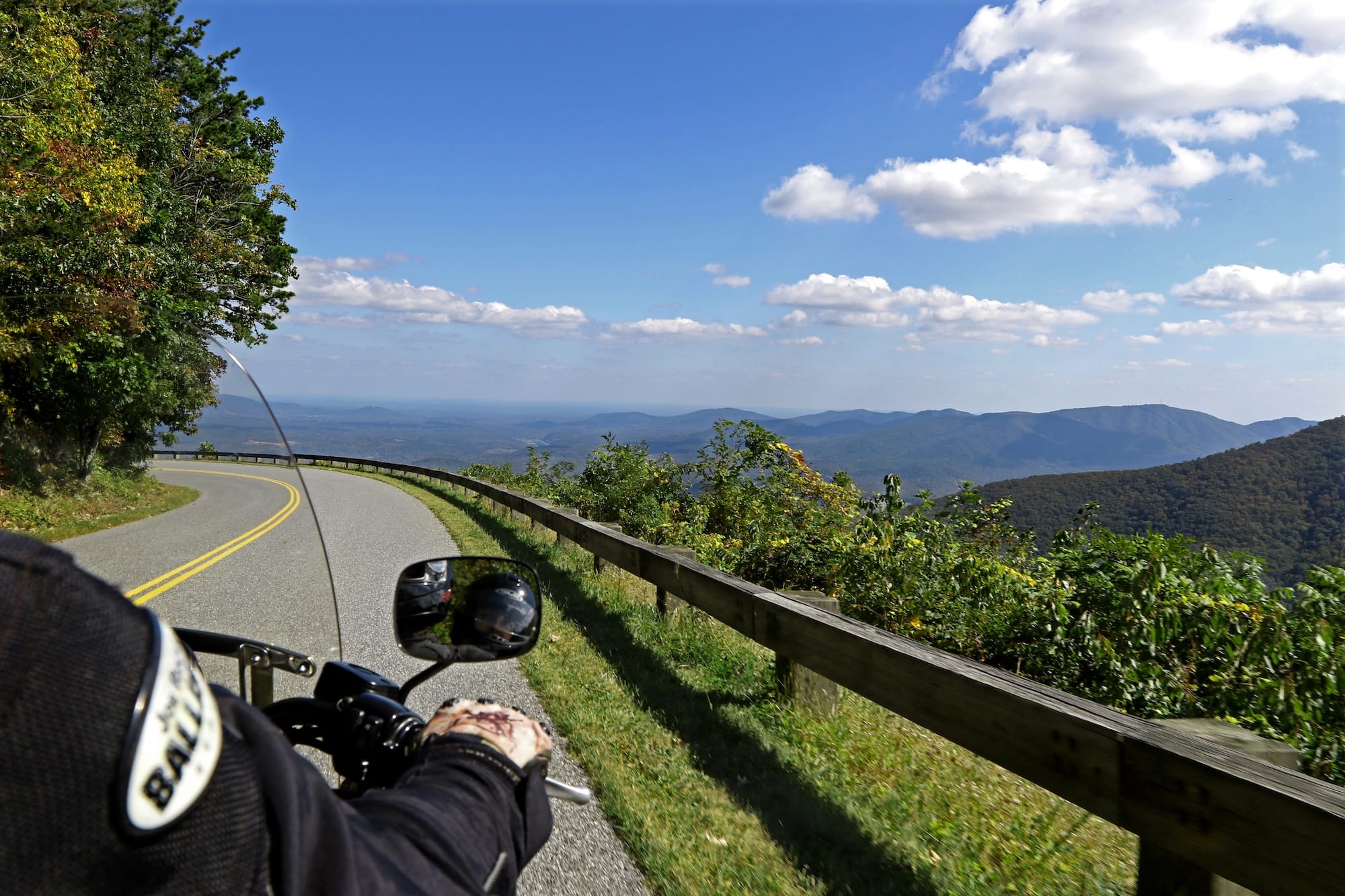
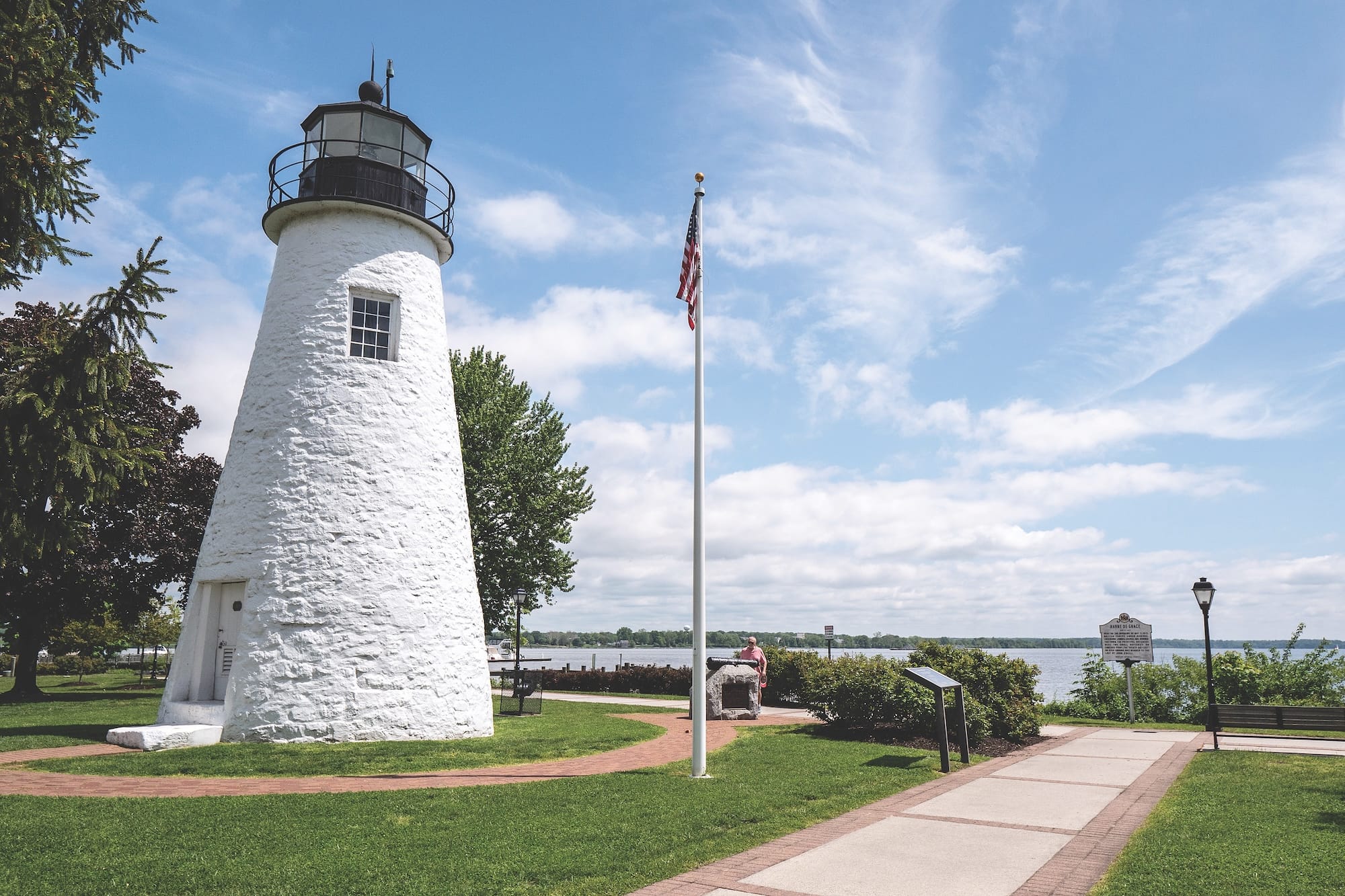
In the Old Dominion, you’ll find five zones with their own characteristics. On Virginia's Atlantic coast, you’ll find the Tidewater region. It also covers the Eastern Shore peninsula, which is separated from mainland Virginia. This region makes for calm cruising on gently meandering roads between wooded areas and old lighthouses.
This low-lying coastal plain features marshes and wetlands that sit on the shores of the four great rivers cutting through Virginia: the Potomac, Rappahannock, James, and York. One of the largest such areas is the Great Dismal Swamp (a lovely name) on the border with North Carolina.
Among the most distinctive features of the Tidewater is the terraced terrain. Due to ancient changes in river flows and sea level, the ground descends toward the Atlantic in clear steps.
Between the Tidewater and the Atlantic fall line is the Virginia Piedmont region, the state’s largest geographic area. Here, the flat land of the coastal plain transforms into rolling hills, with their slopes covered with fields, pastureland, and small woods.
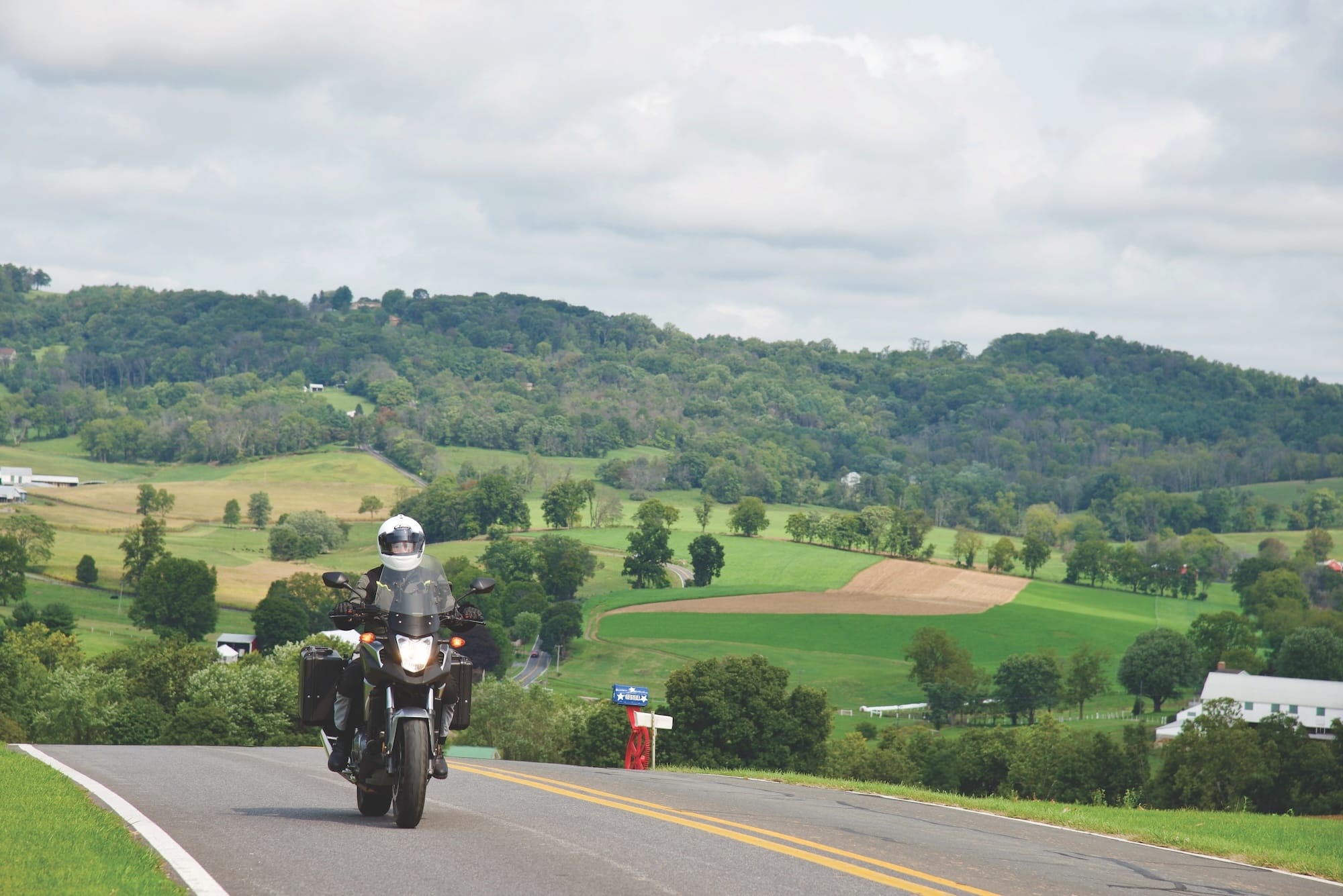
Streams large and small cut through the hills, forming rapids toward the fall line near cities like Richmond and Alexandria. The farther west you go, the hills get higher and steeper, transforming into the “foot of the mountains.”
Eventually, the foothills give way to the Blue Ridge Mountains, a section of the Appalachians. Although they’re old and rounded, they’re still tall, with the highest peak (Mount Rogers), rising to 5,729 feet. Historically a significant natural barrier, today the Blue Ridge Mountains are a twisty (if challenging) motorcycle playground.
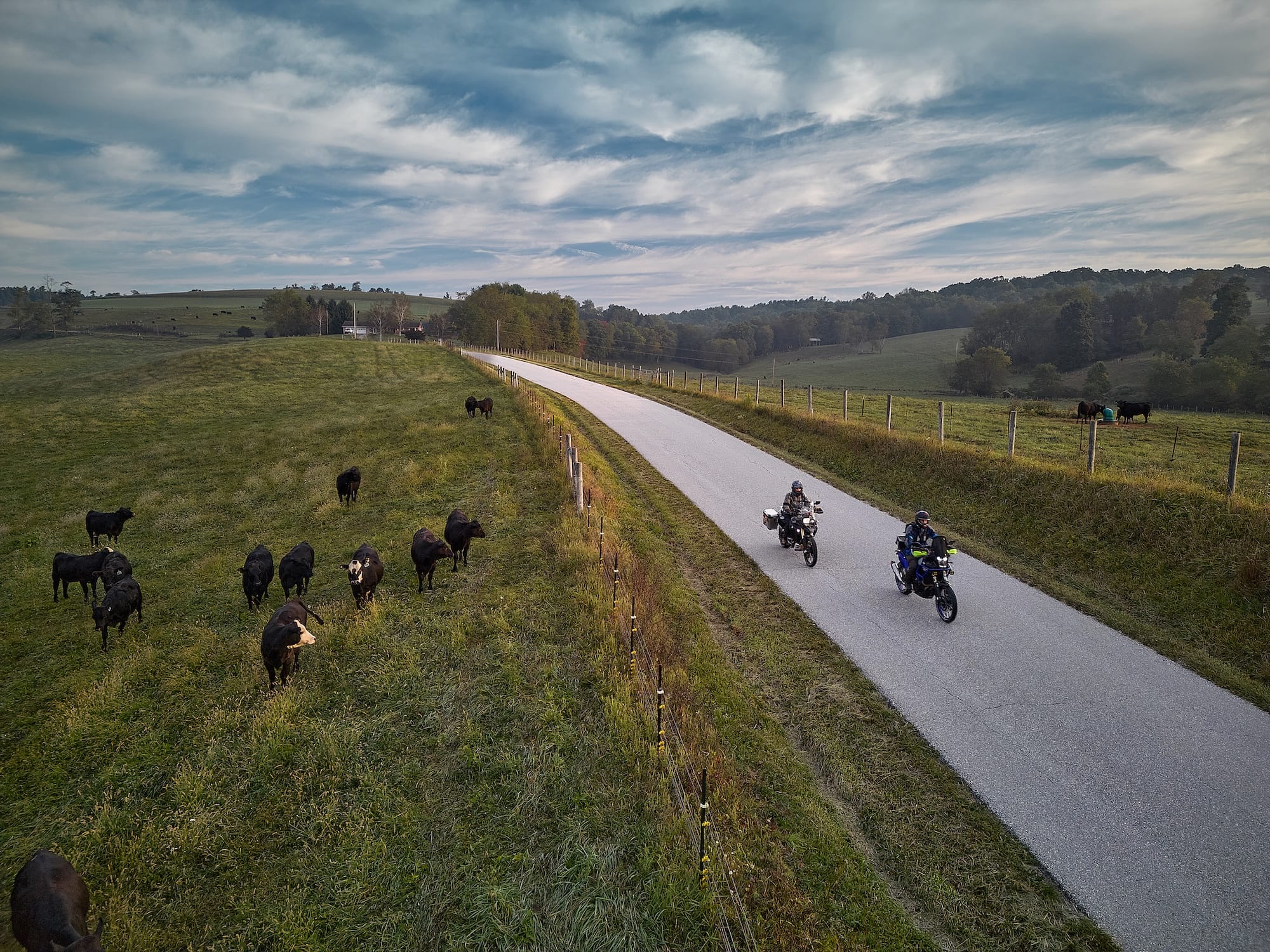
Beyond the mountains lies Virginia’s Ridge and Valley Region. It consists of long, slightly lower (3,000-4,000 feet) mountainous ridges separated by deep valleys that harbor fertile agricultural land. The largest of the valleys is Shenandoah Valley, a prime farming region that has been significant to Virginia’s economy throughout its history. You can enjoy a great variety of riding in the ridges and valleys, from relaxed backroads to tight curves and excellent unpaved roads and trails.
Finally, in its southwestern corner, Virginia has a small slice of the Appalachian Plateau. This elevated, flat area is known for its rich coal resources and rugged terrain. It’s quite remote with no major cities, but the rocky cliffsides conceal many fun, low-traffic roads.
Top Routes and Destinations in Virginia
The most famous motorcycle road cutting through Virginia is the Blue Ridge Parkway, with its northern terminus near Waynesboro. This renowned asphalt ribbon snakes through its titular mountains, offering breathtaking views and great times to any rider. For more information, read our Blue Ridge Parkway overview.
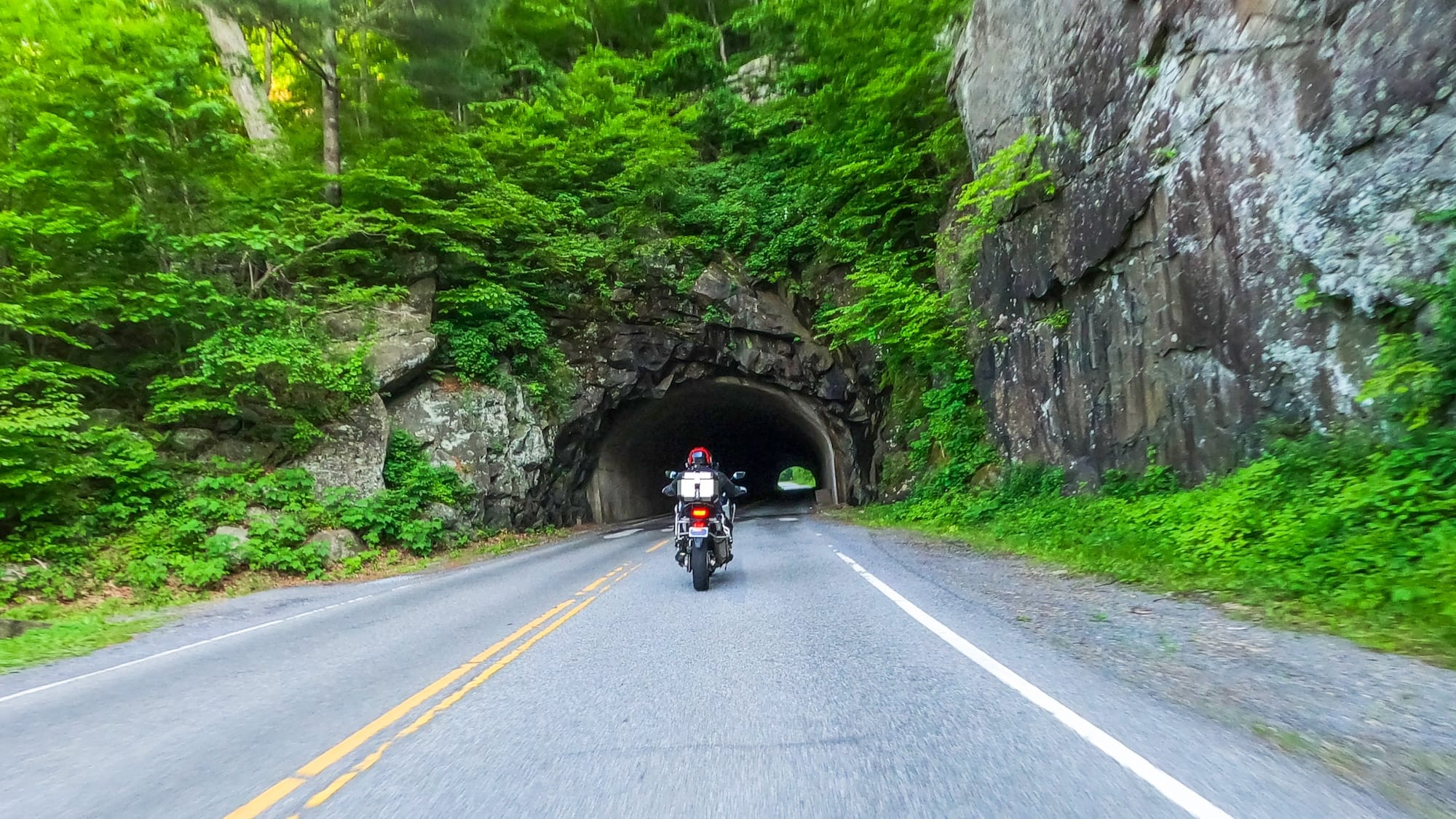
Before you get on the Blue Ridge Parkway, though, you should ride the Skyline Drive. Its 125 miles span the Shenandoah National Park, with more beautiful mountain vistas and interesting things to see. The Skyline Drive terminates in Waynesboro, so you can easily add it to your Blue Ridge Parkway trip.
Riders wanting to explore Virginia’s eventful history can do so on the Nickel and Dime loop. Meandering along the James River, this tour takes you to Colonial Williamsburg, Jamestown, and many other locations that played a role in America’s colonial and revolutionary past. A good basecamp for your tour is Richmond, with more history and other top-notch rides available nearby as well.
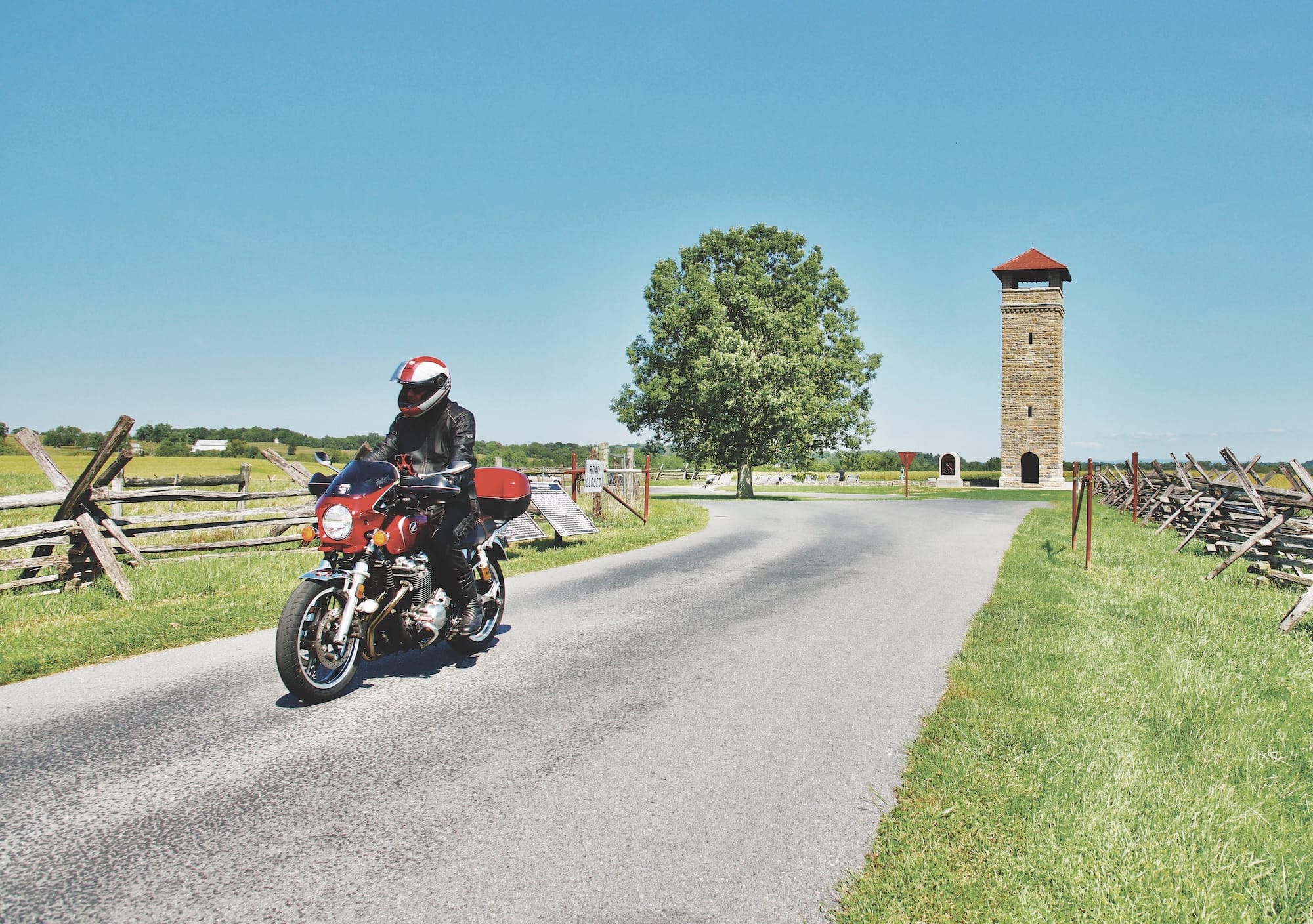
Virginia was also the site of constant battles during the Civil War, with the First Bull Run, Peninsula Campaign, Appomattox, and many more taking place in the state. You can easily weave the various battlefields into a long, multi-day tour. Fredericksburg (which was also the site of a major battle) makes for a great home base for your Civil War battlefield tour.
Shenandoah Valley was also the site of significant battles, feeling the wrath of both Stonewall Jackson during his Valley Campaign and The Burning under Union General Sheridan. In addition to many battlefields, the valley offers great rural riding, hiking trails, and cultural attractions. Winchester is a delightful small city from which to explore Shenandoah Valley.
Riding out of Chincoteague allows you to explore the Eastern Shore on one of the best coastal rides in the U.S. From your saddle, you’ll get a front-row seat to beautiful ocean views from Assateague Island and unique herds of feral Chincoteague ponies. You can also embark on a tour of Chesapeake Bay to eat some crabs.
The small town of Floyd in southern Virginia sits in the middle of a curvy motorcycle wonderland in the Blue Ridge Mountains. You can hit many of those roads by following our Floyd Shamrock Tour®, but the town also has excellent motorcycle maps available. A half-mile off the Blue Ridge Parkway near this eclectic town, Crooked Mountain is a veteran-owned working farm turned rider base camp. Rustic creekside and field campsites welcome motorcyclists.
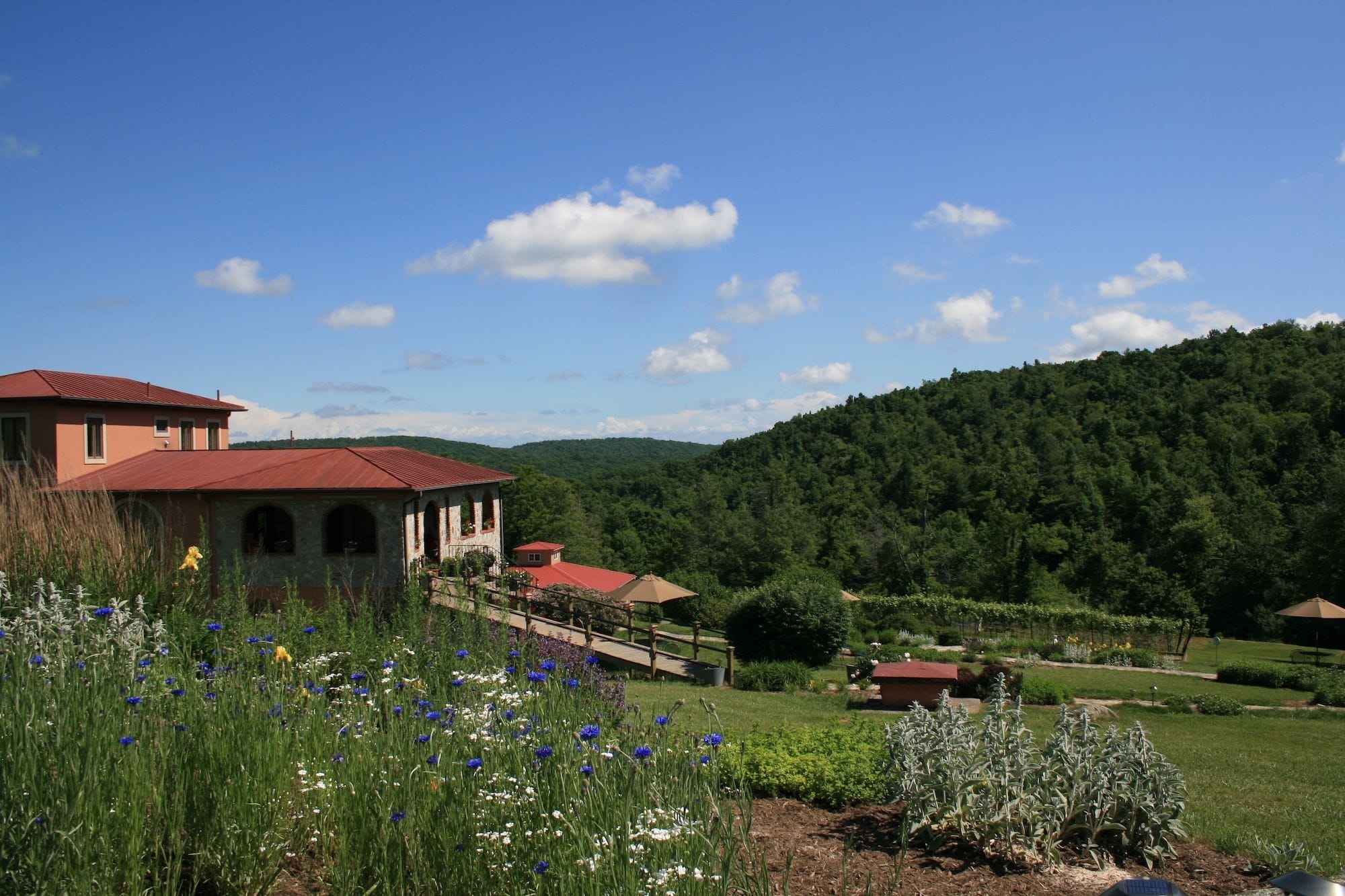
Another motorcycle-friendly Virginia town is Culpeper, located in the north-central Piedmont. It affords easy access to laid-back cruising through expansive farmland and the Skyline Drive alike. Culpeper also serves as a launching point for exploring Virginia Wine Country (which produces some of the best wine in the country, if you ask me).
The Ridge and Valley region hides too many excellent rides for me to be able to list them all. One of the most popular roads in the area is the Back of the Dragon between Tazewell and Marion, a 32-mile roller coaster of one tight curve after another. You can also get on the Virginia Maple Syrup Trail to sample and learn more about local sweet and sticky farm produce.
At the end of a long day of roaming Virginia on two wheels, you might be feeling a little tired. I recommend motoring over to Rappahannock Country Park, one of the best places in America for motorcycle stargazing, and lying down on the grass while admiring the stars above.
ADV Motorcycle Routes in Virginia
The premier ADV route crossing Virginia is the Mid-Atlantic BDR. It snakes its way from south to north through the state’s ridges and valleys along small trails and paths. The ride continues farther into Maryland and Pennsylvania, too.
If you’d like to stay in Virginia, the area around the aforementioned town of Floyd has multiple dual sport routes to entertain you. They are mostly unpaved (ranging from 60% to 80% gravel and dirt), providing adventurous rides from a welcoming home base.
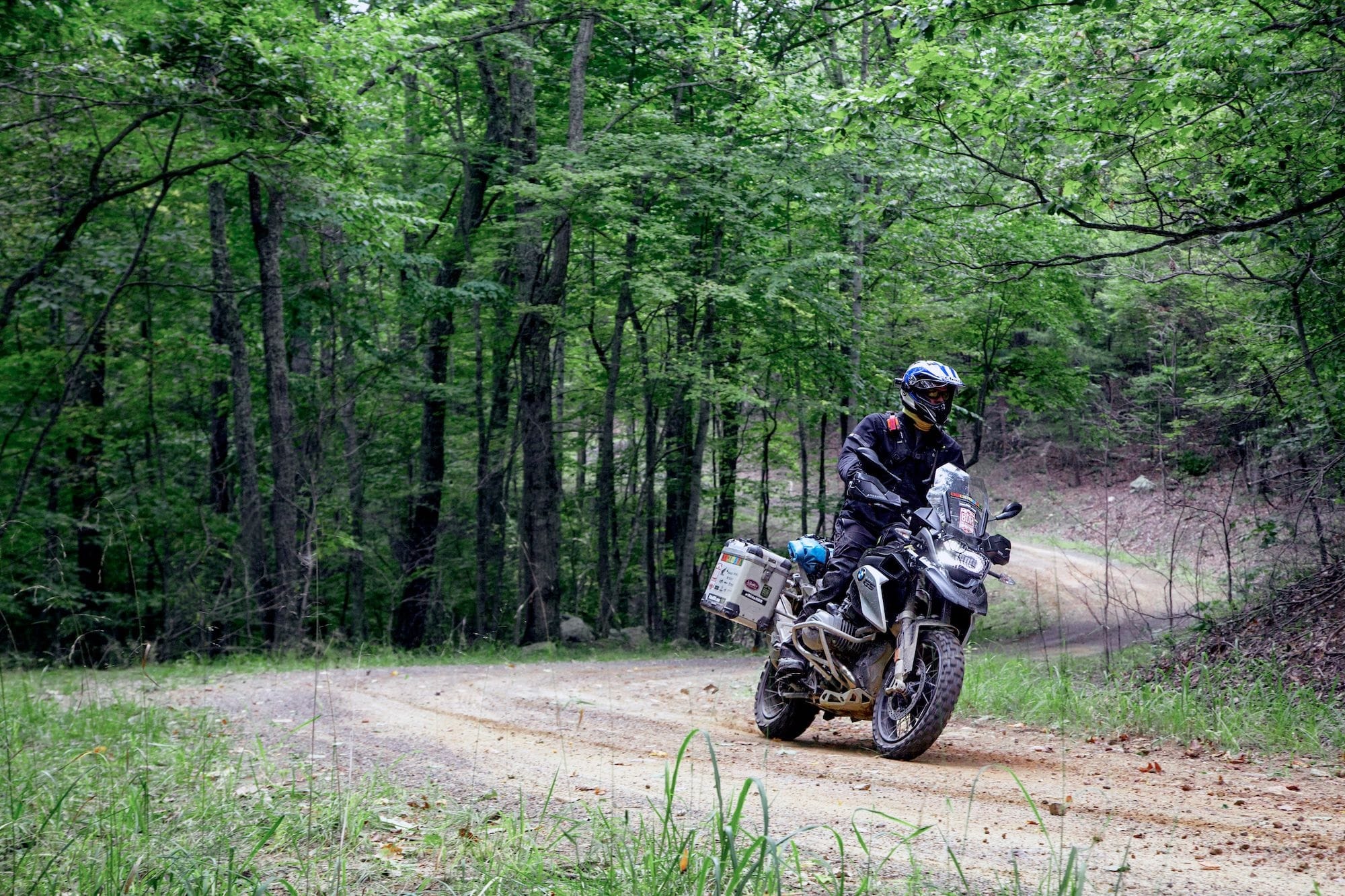
The George Washington and Jefferson national forests in western Virginia have several OHV trails where motorcycles are allowed. Among the most well-regarded are the South Pedlar and the Peter’s Mill Run/Taskers Gap trail systems.
Virginia also hosts multiple private venues where you can put your ADV and/or motocross riding skills to the test. To mention just a couple, the Cove Campground near Winchester has 30 miles of motorcycle-friendly trails, while Robert’s Track and Trails near Saluda is a more MX-oriented location.
Tips for Motorcycling in Virginia
As with most of the East Coast, fall and spring are the best riding seasons in Virginia. Fall is the ideal time to ride with suitable temperatures both in the mountains and lower terrain and, of course, the autumn colors.
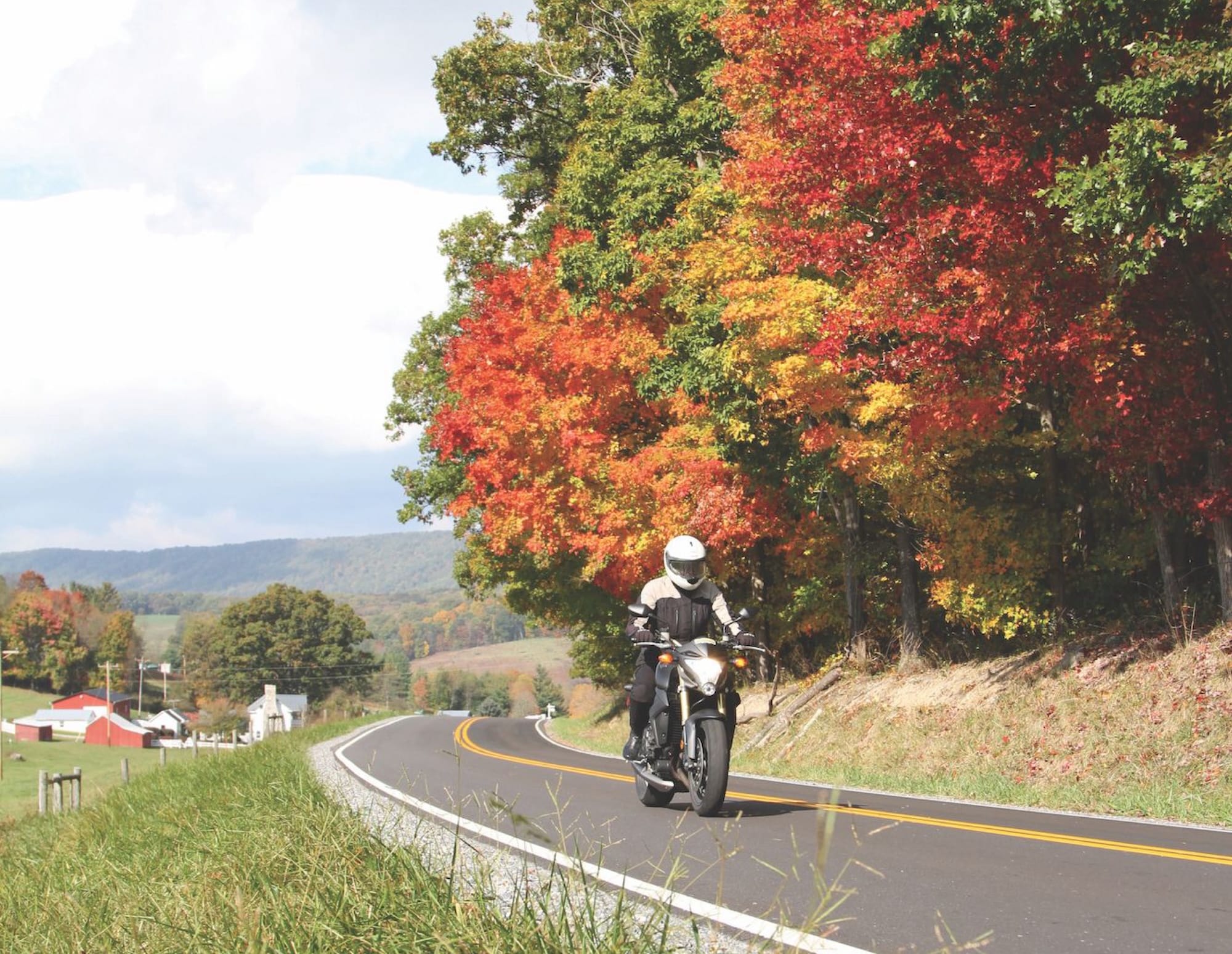
Spring is also a good time to get on the road, but be aware that cold air can linger late into spring in some areas of the state, and you will probably get showered. Summer is rideable, but Virginia gets hot and is prone to afternoon summer storms, so keep your summer rides to the morning.
As a unique and unfortunate local feature, the joints of many bridges in Virginia are wider/more offset than in many other states, partly to accommodate the fluctuating temperatures but also due to a lack of maintenance in some places. Going over them is rough enough even on four wheels, so be careful.
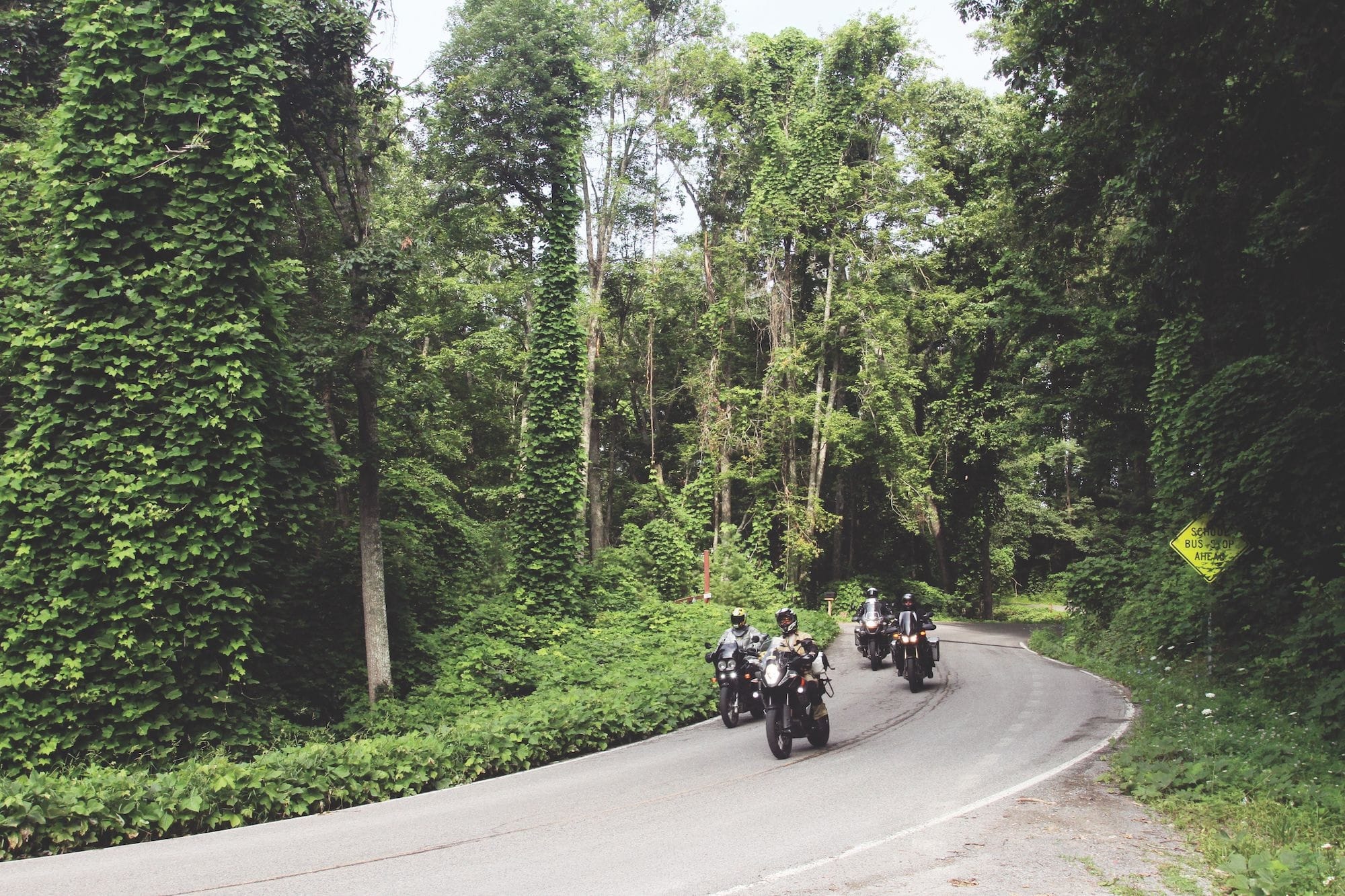
In the mountains, the backroads in particular can get very narrow and throw sudden tight turns and steep elevation changes at you. Virginia’s thick woods block sight lines effectively and can hide all manner of wildlife. Meanwhile, in the Piedmont and the valleys, keep an eye out for farm equipment on the smaller roads.
In Virginia, you’ll sometimes encounter large, yellow signs warning truckers not to trust their GPS for a particular road. These are almost always deliciously curvy roads.
Generally, any Virginian three-digit county roads serve a heaping helping of adventure with twists, goat paths (very narrow roads), and sometimes unpaved roads.
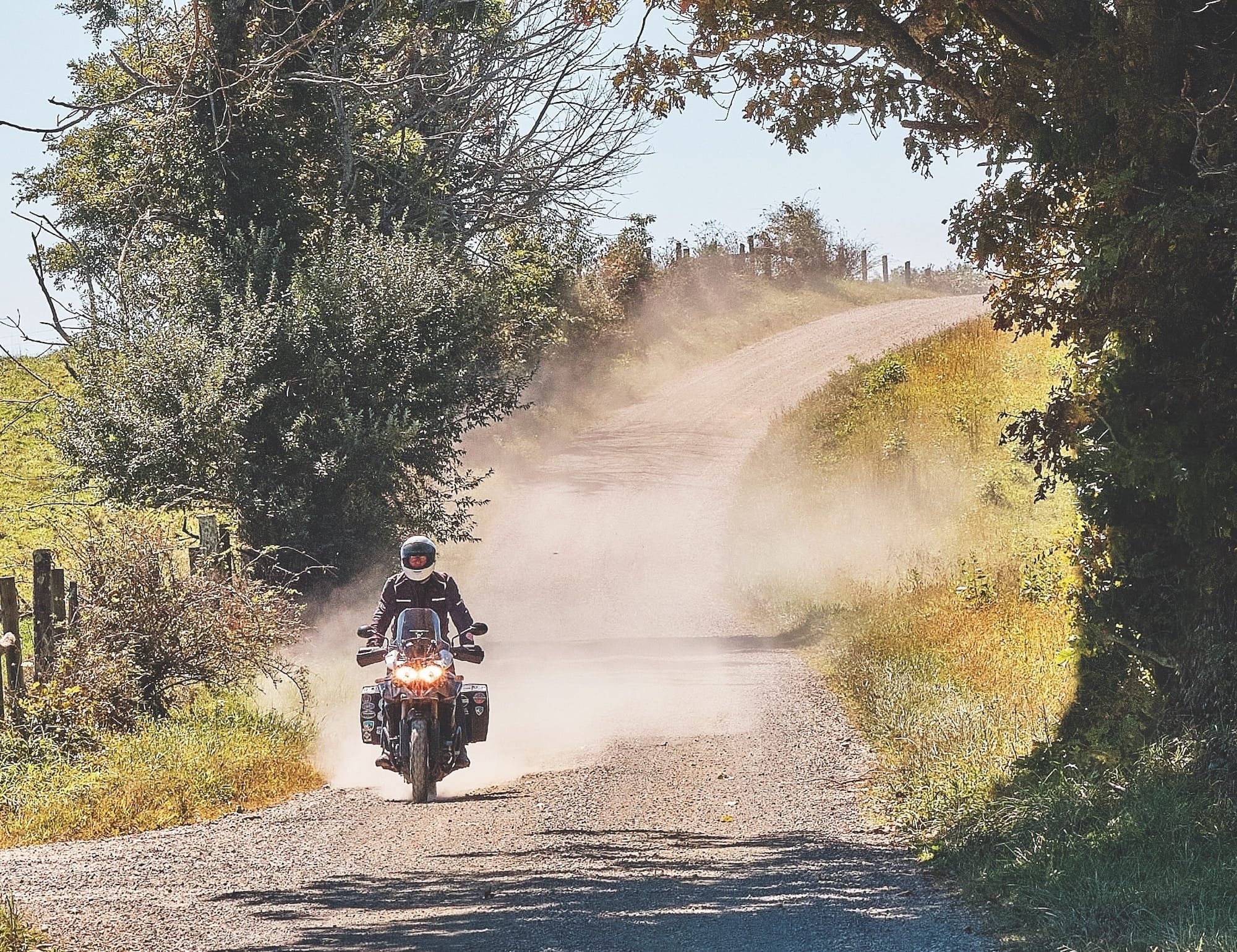
Virginia law requires both the rider and passenger to wear a helmet at all times. Unless the helmet has a face shield, you must wear goggles or have a windshield on your bike.
Lane filtering is not legal in Virginia at the time of writing. However, Virginia has passed a law that will allow lane filtering in traffic below 10 mph on roads with two or more lanes. The law comes into effect on July 1, 2027.
Last in the law department, if you plan to do OHV riding, note that spark arrestors are required. Although you shouldn’t be speeding to begin with, be aware that Virginian police are notorious for handing out speeding tickets. They’re everywhere!
Some Virginia motorcycle events include:
- Rattlin’ Bones Gypsy Tour (spring)
- Red, White and Bikes Rally Series (throughout summer)
- Virginia All Female Ride (summer)
- Colonial Beach Bike Fest (fall)
Off-Bike Activities in Virginia
Off the saddle, Virginia offers an incredible variety of things to see and do. The state is chock-full of historical sites pertaining to the Revolutionary War and Civil War, jaw-dropping natural sights, and great cities with shops and museums for all.
Major tourist attractions in Virginia include:
- Colonial Williamsburg
- Jamestown
- Mount Vernon
- Monticello
- Virginia Beach
- Arlington National Cemetery
- Museum of the Shenandoah Valley & Glen Burnie House
- Yorktown Battlefield
- Civil War Battlefields
- Appomattox Court House
- Virginia Wine Country
- Luray Caverns
- Shenandoah National Park
- Chincoteague National Wildlife Refuge
- Assateague Island
- Appalachian Trail
- Busch Garden