6 Best Practices to Avoid Wildlife Collisions on a Motorcycle
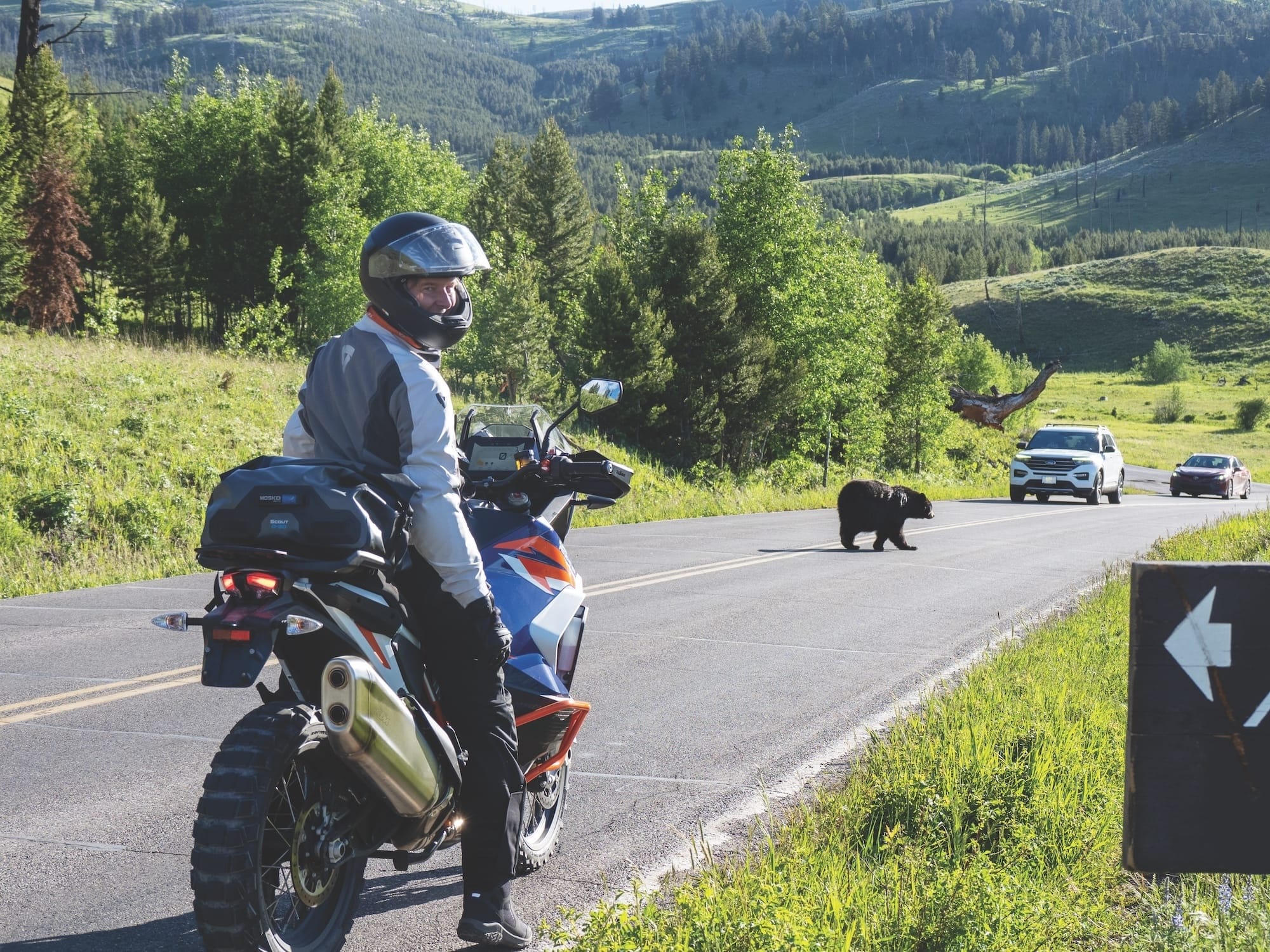
Every motorcyclist (or motorist, for that matter) has had a close call with an animal. After you’ve barely avoided a furry or feathered pedestrian, you won’t want to repeat that experience.
Unfortunately, wildlife is unpredictable by nature and there is no completely foolproof plan to steer clear of animals. There are, however, well-known best practices you should employ whenever riding in an area where wildlife might suddenly appear on the road.
Here are six tips on how you can avoid wildlife collisions on a motorcycle.
Understand Wildlife Behavior
One of the best ways to stay ahead of wildlife is to get in the animals’ heads. If you know the basics of a given animal’s behavior, you can recognize and prepare for situations where it might leap out of the roadside bushes.
Many animals—deer in particular—are at their most active during dawn and dusk. Others, such as raccoons, foxes, or mountain lions, are nocturnal. If possible, keep your riding to daytime hours and plan your tour so that you’re safely at your hotel when the sun dips down.
Deer, elk, and cows, among others, often move in groups. If you spot an animal known for traveling in herds, it’s rarely alone, so don’t drop your guard after passing the first one.
On the other hand, solitary and/or large animals—such as bears or bison—may not take kindly to being bothered. If you encounter such beasts, it’s best to stop and calmly observe the situation. Should the animal seem irate, turn around and ride away.
You shouldn’t ignore small critters, such as raccoons, possums, or hedgehogs. Their little bodies will roll under your tires, which has a high chance of causing you to lose control.
Finally, seasonal changes, such as mating season or the time females give birth, can cause some animals to act erratically or aggressively. Do a bit of studying about the wildlife in the area you’re riding to check if its critters might be hopped up on hormones.
Stay Alert and Scan Ahead
You should always keep your eyes on the road, but it’s not enough to look a foot ahead of your front tire. Scan the road ahead and pay particular attention to the sides of the road, especially if they’re covered in vegetation.
Watch out for any signs that could betray a hiding animal. Suddenly moving bushes, eyes flashing in your headlight beam, or a muzzle sticking out from behind a tree.
Look for wildlife warning signs and, if you see them, slow down and perk up. If it starts getting dark, turn on your high beam to see farther off. If you’re riding behind another vehicle in the dark, make use of their high beams to observe what lies ahead.
Be Aware of Your Surroundings
Pay attention to the environment you’re riding through to spot possible high-risk wildlife areas. A good rule of thumb is to stay alert whenever you’re motoring through a patch of trees, forest, or an area with tall bushes on the roadside.
Additionally, make note of wildlife barriers and fences. Although they may make animal encounters less likely, they’re not bulletproof, and a young deer with a spring in its step may leap over them. Furthermore, be extra cautious where the fence ends or begins, as the obstacle naturally funnels wandering wildlife into these spots.
When planning your route, make note of natural formations and landscapes that might make wildlife encounters more likely. For instance, lakes and rivers typically attract thirsty animals.
You should also be cognizant of the types of animals you might meet in different environments. Here’s a rough guide:
- Woodland: Be on the lookout for deer, bears, bison, or smaller animals like foxes and turtles.
- Farmland: In addition to deer, be aware that livestock, such as cows or sheep, could find their way onto the road through an open gate or a broken fence. If you spot a horse rider or a carriage, give the equines a wide berth to avoid scaring them.
- Urban areas: Cities and towns may have animal hazards as well. Keep an eye out for runaway pets, in addition to raccoons.
Ride Defensively
When motoring through a wildlife risk area, it’s best to forget about breaking speed records and stay defensive. Obey the speed limit, as excess speed can make it difficult to respond to suddenly appearing animals.
If you can do so safely, try to ride close to the road’s centerline to maintain a small buffer zone between your motorcycle and roadside trees. Keep your attention sharp, and considering turning off music and other distractions.
When riding in a group, you should maintain a large safety gap between bikes. This way, each rider has more room to maneuver when animals pop up. Should one motorcycle suffer an animal collision, the safety gap can prevent a dangerous pile-up.
Use Your Motorcycle
One of your best tools for preventing animal encounters on the road is right between your legs. To most animals, your motorcycle is a big, loud, and smelly monstrosity they’ll want to avoid at all costs.
If you spot an animal, such as a deer, use your bike’s scariness to your advantage. Flash your high beams, carefully rev the engine, and blare your horn to drive the deer away.
You should be aware that this tactic may be something of a double-edged sword, however. As the fight-or-flight response kicks in, the deer might decide to jump onto the road instead of the bushes.
Additionally, you should gear your motorcycle in a way that makes it easier to spot hiding animals. Invest in auxiliary lighting to make riding in the dark safer, and keep your brakes in tip-top condition.
Practice Emergency Maneuvers
The only way you can make controlled maneuvers in an emergency is to practice them before you need them. Go to a track or an empty parking lot to hone your hard braking skills and practice staying upright as your bike screeches to a halt. You’ll also find out how long it takes for your motorcycle to slow down from speed.
Alternatively, you can take a motorcycle safety course. They’re a great way to brush up your skills while also meeting other riders.
What to Do if You Can’t Avoid an Animal
Even if you take all the precautions and ride perfectly safely, you may unfortunately find yourself in a situation where you physically can’t avoid a prancing beast. Animals don’t follow traffic rules or logic, for that matter, and may become almost suicidal when scared.
If you realize an animal collision is unavoidable, here’s what to do:
- Brake Hard: Hit the brakes as hard as you safely can to reduce your speed as much as possible before the impact.
- Do Not Swerve: Do not try to dodge the animal by swerving. It may be hard to suppress your initial instinct to twist the handlebar, but swerving may cause you to lose control and get into an even worse accident.
- Steady the Bike: Braze for impact by sitting into the saddle, lowering your torso, and firmly keeping the handlebar steady to increase your chances of staying upright when the collision comes.
- Wear Protective Gear: You should always have your helmet and armored riding suit on when out on a tour. Remember: ATGATT.