Virginia SR 5 and SR 10—A Nickel and a Dime
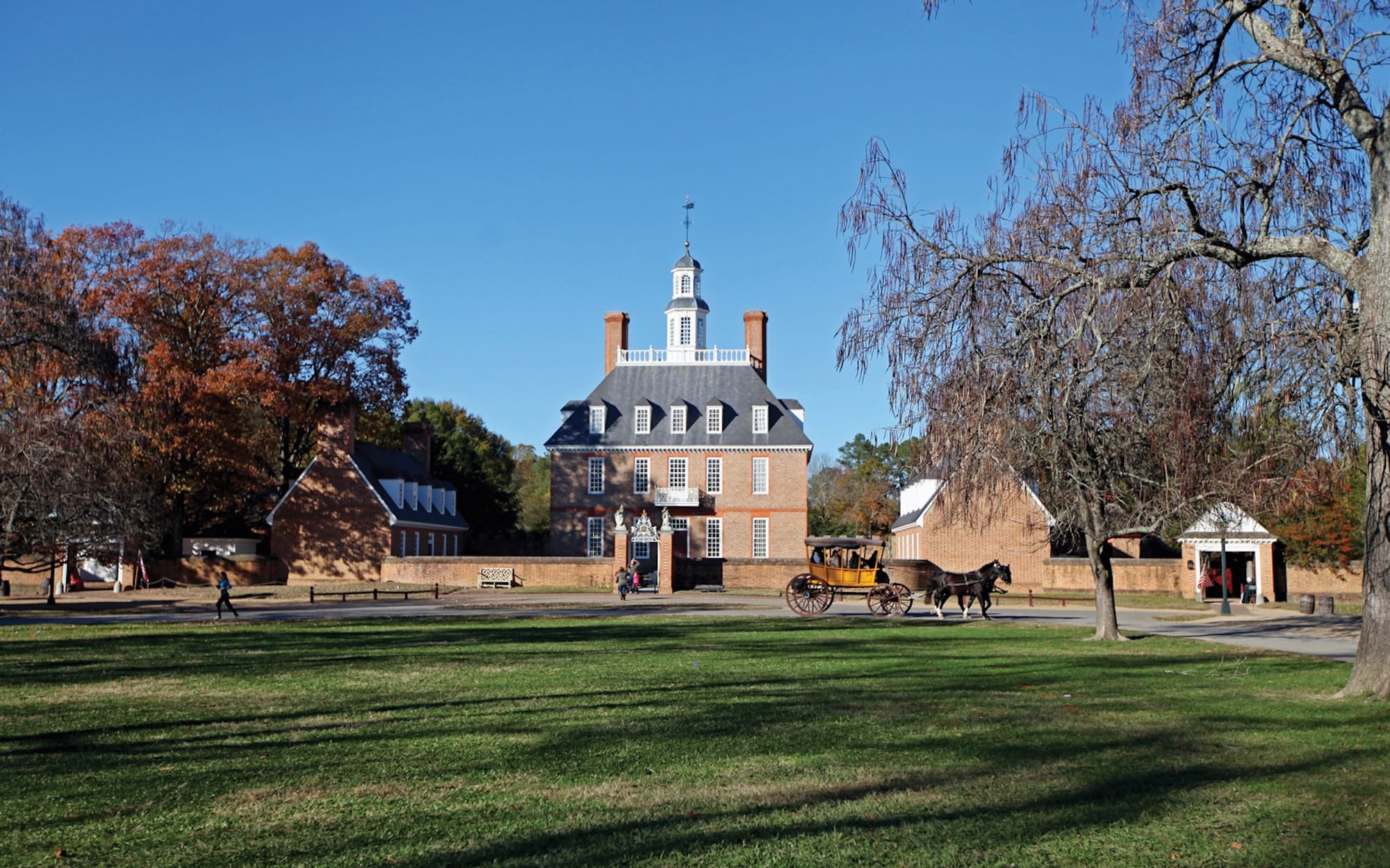
A disproportionate amount of American history occurred in Virginia between the cities of Williamsburg and Richmond. This area has seen everything from the first permanent English colony in North America to ground zero of the Civil War. For motorcyclists, these two historical locales are connected by two equally famed roads: Virginia SR 5 and 10, which follow the north and south banks of the James River.
Visiting the area via these two roads is popular. Their designations have given this route its nickname—the Nickel and Dime Tour. It can start on either end of the route. Both the Richmond and Williamsburg areas are served by nearby international airports, and the Richmond metro area is located along the Mid-Atlantic I-95 corridor. Although the entire tour could be easily completed in a day, each city deserves at least an overnight stay to enjoy the region.
On the west side, Richmond is a hub for history, art, and culture. Located on the fall line (the final navigable point in the 18th century) of the James River, it became the Virginia capital in 1780 when the state administration was moved away from Williamsburg to protect it from the British. The city was also the capital of the Confederate States during the Civil War. Richmond has modernized while maintaining its historical architecture. You can learn more about the city’s story in the American Civil War Museum, as well as numerous local battlefield sites.
As a testament to the Nickel and Dime Tour’s popularity, Holly and I hadn’t covered more than a few yards of SR 5 before we gained a tour guide. As we stopped under a tree to beat the heat at Park Chevere along the James River, a Royal Enfield Interceptor joined us in the shade. The rider introduced himself as a grad student at Williamsburg’s College of William and Mary, who’d just ridden the Nickel and would be happy to lead us on our journey.
SR 5, on the north side of the James, is a pleasant, tree-lined two-lane blacktop road for much of its length, with glimpses of Virginia’s tidewater region. It’s known for its numerous plantation houses, some of which are open to visitors. A stop at one makes for a good break on your Nickel ride. Rolling into Williamsburg in the late afternoon, we parked at our hotel with enough time to walk the streets of Colonial Williamsburg before a summer thunderstorm hit. As Virginia’s second capital, Williamsburg is one point of the state’s Historic Triangle, together with Jamestown and Yorktown.
SR 10, on the south side of the James, is a much more rural ride, passing by soybean and corn fields. To access the route, you must first cross the river on the Jamestown-Scotland Ferry, which is a free 20-minute ferry service that runs around the clock. With fewer historical attractions, SR 10 is a good route to hit a small-town diner or summer farmers’ market. As we returned to Richmond, we crossed the span of the James again on the Mayo Bridge and back into downtown, having covered 400 years of history in 125 miles.
Points of Interest
Sherwood Forest Plantation
The fertile Tidewater Virginia was dominated by plantations in the colonial era. Many were situated along the James River for quick access to a vital transport artery. Along SR 5, there are nine plantations. A stop at the Sherwood Forest Plantation in Charles City gives you a look at a 19th-century plantation. The home was the former residence of the 10th U.S. president, John Tyler, whose family’s descendants still maintain the plantation. The grounds are open daily. House tours are by appointment.
The Historic Triangle
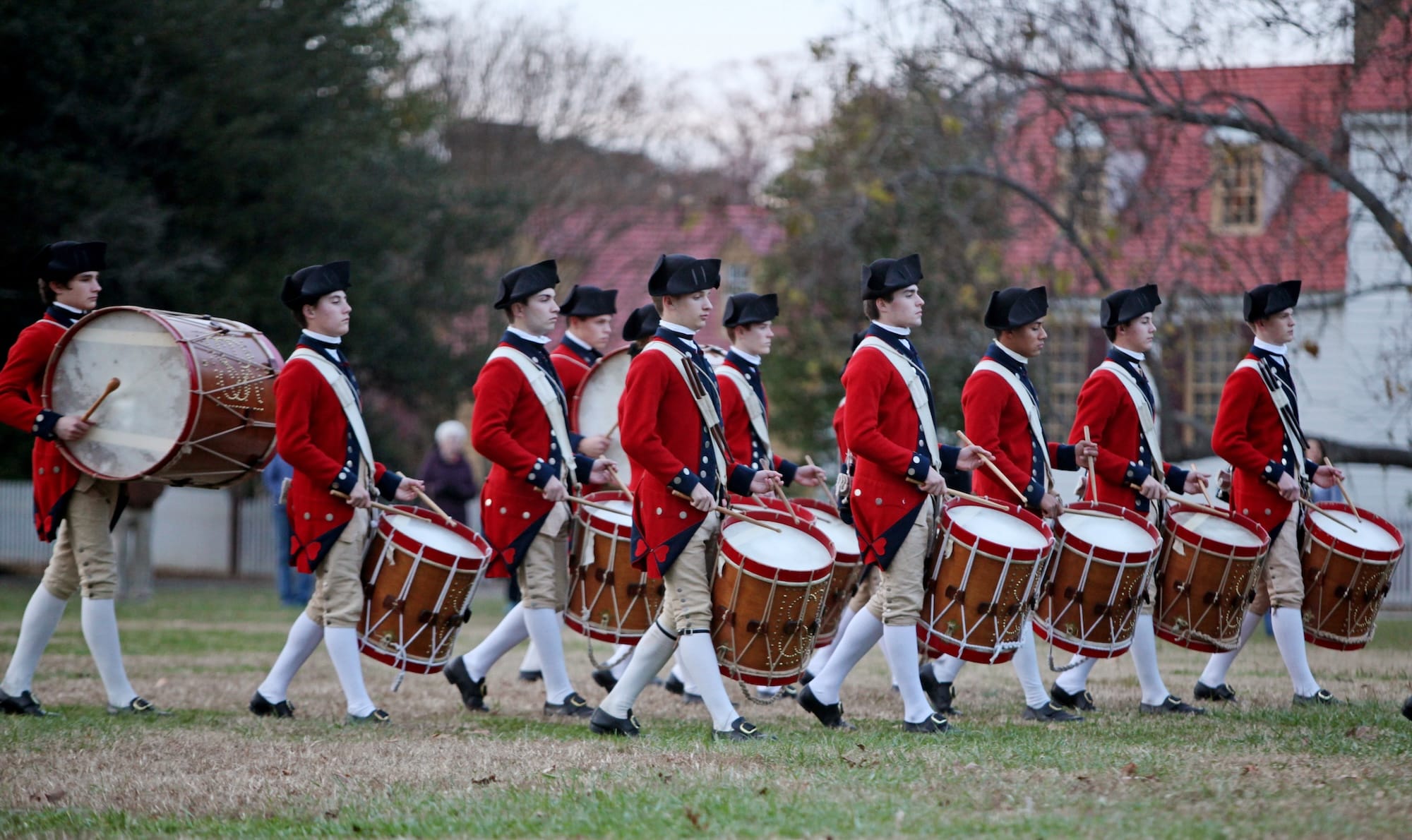
The Historic Triangle, at the eastern end of the route covers the concentrated area of Jamestown, Yorktown, and Williamsburg, all within a short ride along the Colonial National Historical Parkway. The Jamestown Settlement has a museum, living history exhibit, and replicas of the three ships that journeyed across the Atlantic to deliver the English colonists. The Historic Jamestowne is the original site of the 1607 James Fort and features thousands of excavated artifacts. Yorktown is home to both the Yorktown Battlefield National Historic Site and the private American Revolution Museum. The 300-acre Colonial Williamsburg includes hundreds of historical buildings and traditional craft exhibits.
Colonial National Historical Parkway
If you don't have time to visit all the historical sites, you can at least ride the Colonial National Historical Parkway. Completed in 1957, this 23-mile road takes you from the York River to the James River through the heart of the Historic Triangle. Overpasses along the sweeping curves are built from brick to resemble building styles of colonial times. Devoid of pavement markings, stop signs, or lights, the concrete/gravel surface mimics the area’s early unpaved roads. Speed limits vary between 35 and 45 mph.
Virginia Museum of Fine Arts
Richmond’s historical, cultural, and artistic heritage is on display at the four dozen museums located in the city’s metro area. One must-see is the Virginia Museum of Fine Arts, a state-owned gallery with more than 50,000 works in a permanent collection. The displays cover everything from ancient art to contemporary works, and includes paintings by artists like John Singer Sargent and Peter Paul Rubens. Highlights include impressive displays of African, Indian, and Tibetan art, and the largest collection of Fabergé eggs outside of Russia. Admission is free and the museum is open every day of the year. The adjacent parking garage offers museum visitors parking for a $6 fee.
Facts & Info
Recommended Lodging: The Berkeley Hotel
On the Richmond end, the Berkeley Hotel at 1200 E Cary St is situated in the historical district and is within walking distance to the James River and plenty of dining options and museums. The hotel offers covered garage parking for a fee. The Berkeley Hotel is also close to the start of the Nickel and Dime routes.
Recommended Lodging: Williamsburg Woodlands Hotel & Suites
On the Williamsburg end, the Williamsburg Woodlands Hotel & Suites at 105 Visitor Center Dr is located right next to the Colonial Williamsburg Visitor Center. You can also catch a shuttle from there that will take you to the living history experience.
Food & Dining
Known for its pork and peanuts, as well as oysters and blue crabs sourced from the James River and Chesapeake Bay, eastern Virginia touts lots of other traditional Southern foods cooked with locally-grown ingredients. The tradition of smoking meat, learned from the Native people by the colonists, is what continues to preserve the region’s hams, bacon, and sausages.
On SR 5, the Indian Fields Tavern in Charles City is one of the few stops for food between Richmond and Williamsburg and offers an array of cuisine from burgers to fried chicken and seafood to salads. The tavern serves lunch and dinner and is closed Mondays and Tuesdays. Find it at 9220 John Tyler Memorial Hwy, SR 5, Charles City, VA.
On SR 10, the Meats of Virginia Butcher Shop and Deli in Surry serves hot and cold subs (along with exotic meats and jerky), in addition to Virginia-raised pork products, peanuts, and homemade sauces. The deli is open 10 a.m. to 7 p.m., seven days a week. Find it at 11381 Rolfe Hwy, Surry, VA.
Best Time to Travel
Virginia’s Tidewater region, on the eastern side of the route, can get hot and humid in summer, and this is also the time when the largest tourist crowds descend on Richmond and the Historic Triangle area around Williamsburg. Fall and spring are ideal times to ride the Nickel and Dime, although this region’s mild winters make a later ride possible as well. During planting and harvest seasons, be aware of agricultural traffic on both routes.
Resources
- Visit Williamsburg
- Visit Richmond
- Colonial Williamsburg
- Jamestown-Scotland Ferry
- James River Plantations