Motorcycling Guide to California

California, here I come! The Golden State is the #1 tourism destination in the U.S. and also a motorcyclist’s mecca.
Here, you’ll find everything a motorcycle rider could possibly want. Majestic mountain twisties, wide-open deserts, primordial forests, far-stretching farmland, and bustling city streets are all within your grasp.
In fact, there’s so much in California that deciding where to ride may be your greatest obstacle. In this article, we take a deep dive into what you can expect when motorcycling in California and tell you the choice destinations at which to point your front wheel.
Geography of California
California is the third-largest state in the U.S., stretching for more than 750 miles (as the bird flies) from the Mexican border to the Oregon state line—roughly the same distance as traveling from Florida to Pennsylvania. Being one of the most geographically varied states in the U.S., California has plenty of playgrounds for every motorcyclist.
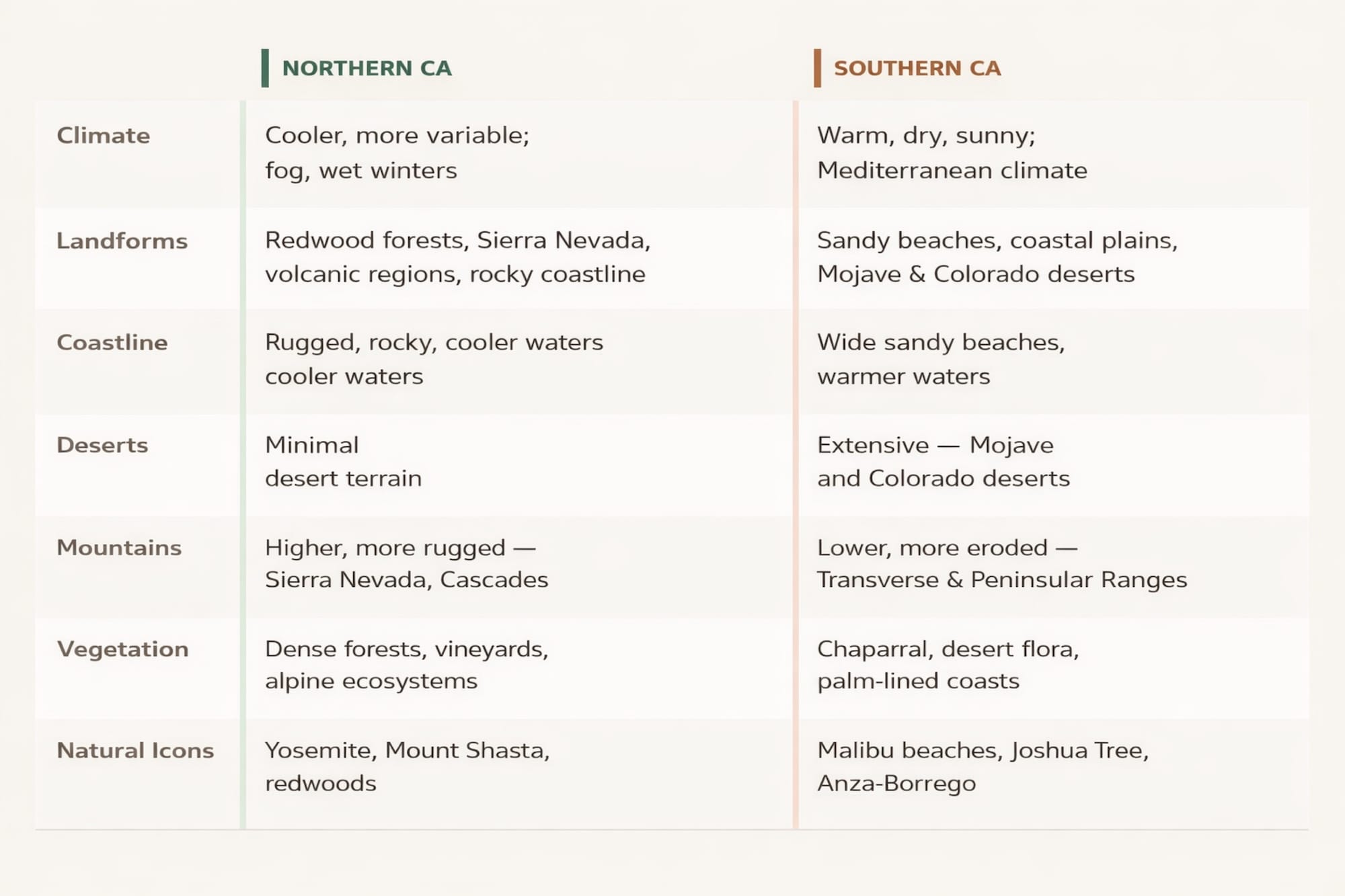
The Golden State’s terrain is so diverse that writing about it could fill (and has filled) entire textbooks. In rough terms, California is split into two geographic and climactic areas: Northern and Southern California.
NorCal is the cooler and wetter of the duo, with woods and taller mountains. Its most distinctive features are the towering redwood forests that provide a majestic riding environment. The state’s northern coastline is craggy, and there are multiple (active) volcanoes up north, making for a very rugged motorcycle tour.
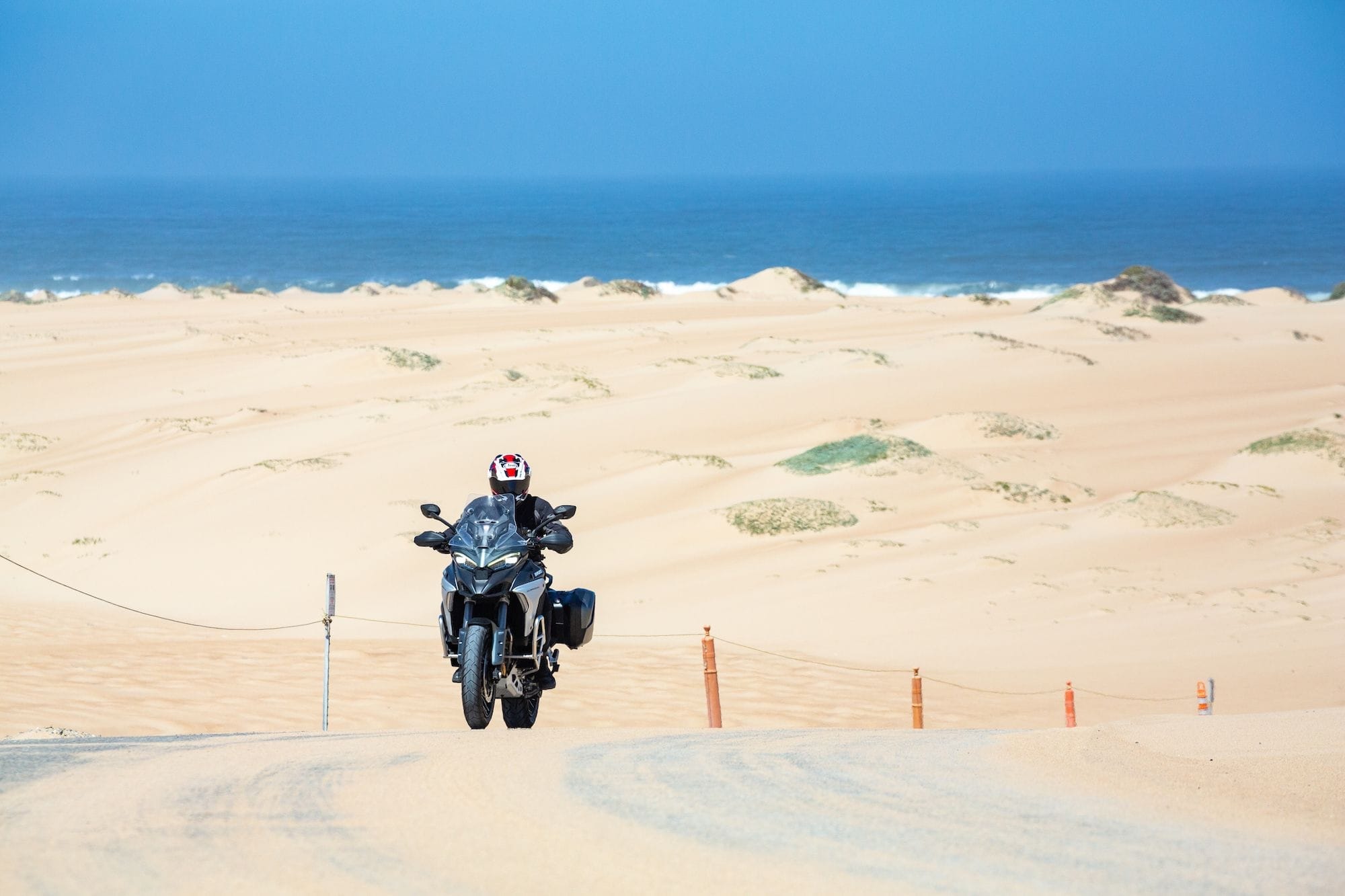
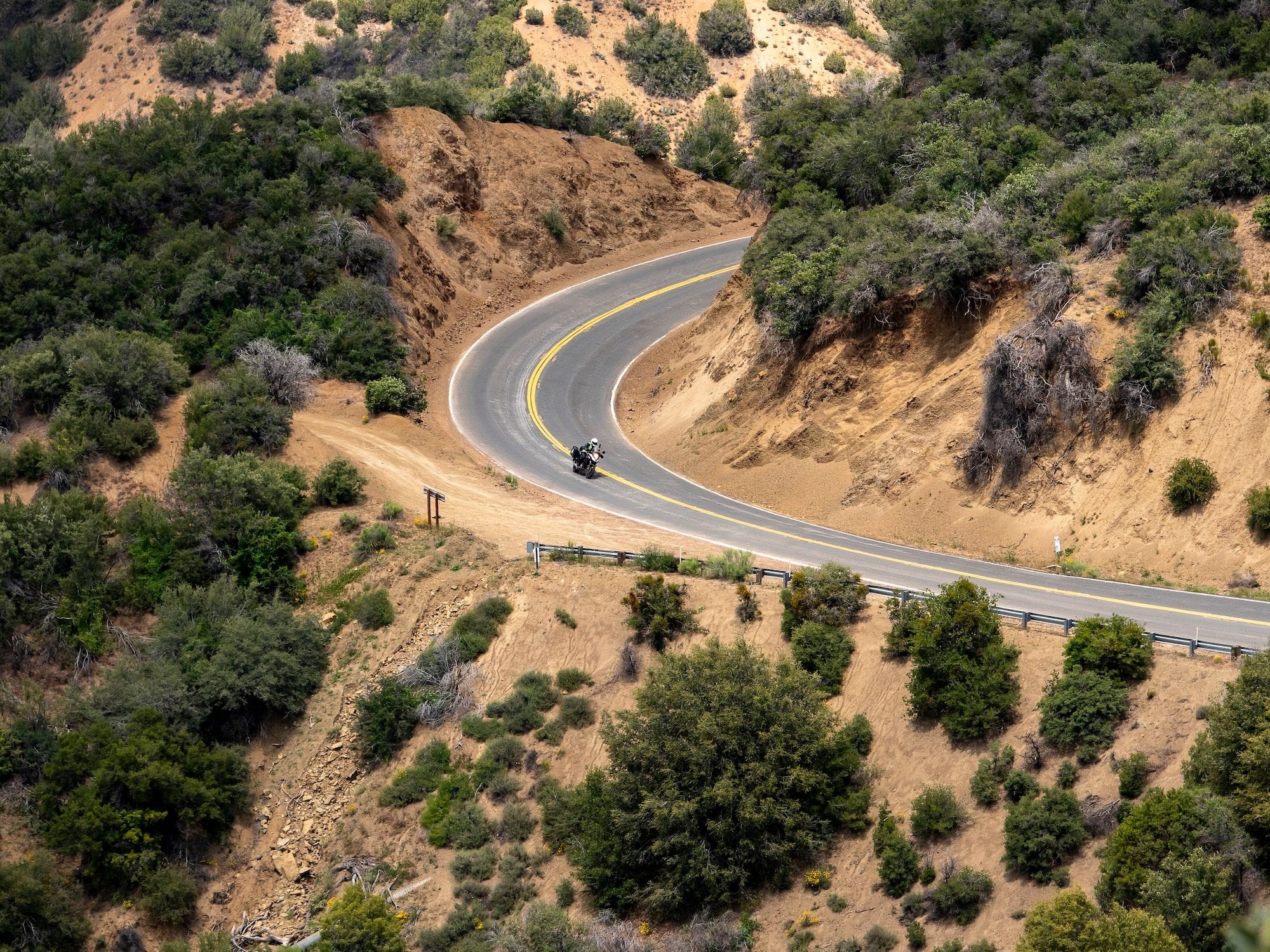
SoCal, on the other hand, is the California most out-of-state riders picture. It’s a hot and arid region with large deserts that offer wonderful off-roading possibilities. The desert zones are separated from those famous long, sandy beaches of the southern coast by low-ish mountains. SoCal is also heavily urbanized, which is great if you want that type of vacation, but it also adds time and hassle to get out of town.
This simple duality doesn’t do California proper service, though. In the middle of the state is the Central Valley, with the Sierra Nevada to the east and the Coastal Range to the west. Contrasting with its surroundings, it’s a flat and fertile area with expansive farmland.
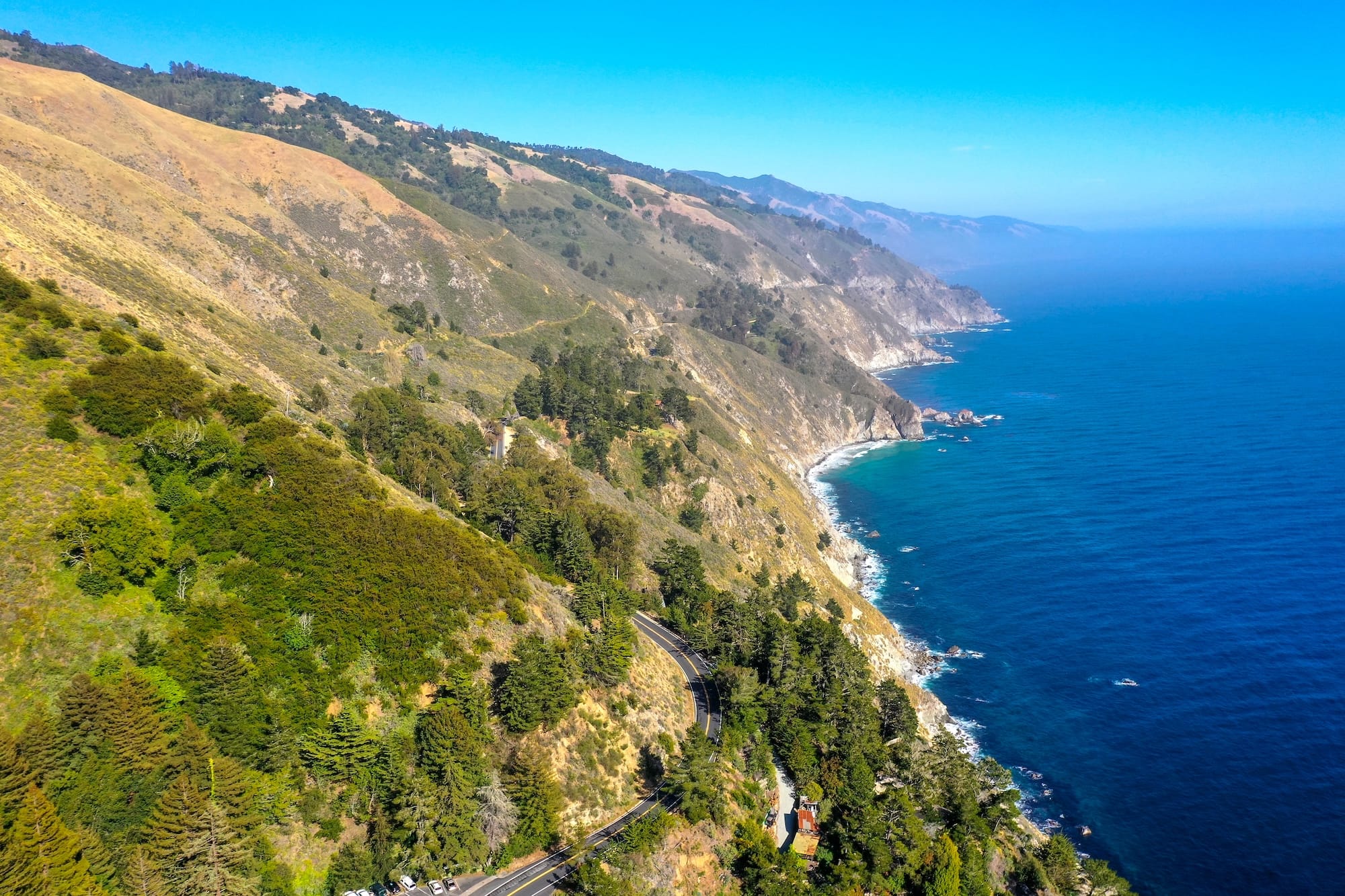
Across the mountains to the west is the Central Coast, where the smooth beaches of the south transition into the rocky northern coastline, creating some dramatic scenery. The renowned Big Sur area showcases the rugged beauty of this area better than any other.
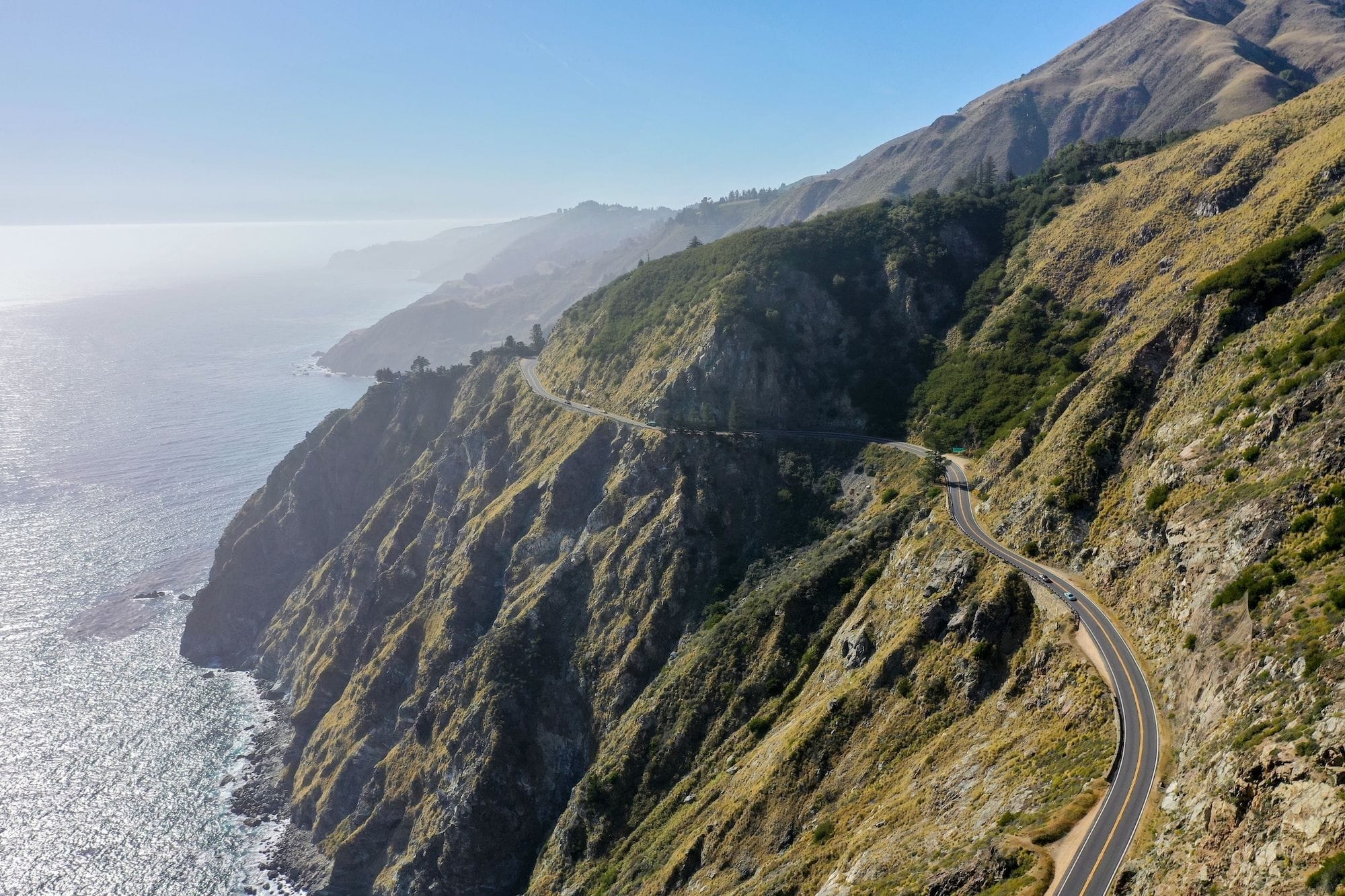
Yet, we can’t forget about the many mountain ranges. Sierra Nevada, on the eastern edge of California, separates the state from Nevada and hosts Mount Whitney, the highest peak in the contiguous U.S. at 14,505 feet. In SoCal, you’ll find the Transverse Ranges that offer excellent mountain curves a short distance from big cities. And then there are the Coast Ranges, the Klamath Mountains, the San Jacinto Mountains…
We should also mention the Channel Islands. Although you can’t take your motorcycle there, as outside vehicles are prohibited, they offer gorgeous scenery and fantastic chances to see rare sea life and wildlife.
Top Routes and Destinations in California
Perhaps the most famous motorcycle road in all of California is the Pacific Coast Highway, officially titled SR 1. It snakes 655 miles through mountains and oceanside, throwing thrilling curves and curious attractions at you in breathtaking surroundings. The road’s most renowned section is between San Luis Obispo and Carmel Valley, where it traverses the aforementioned Big Sur. Sadly, landslides close the road regularly, so check the conditions with Caltrans before you ride.
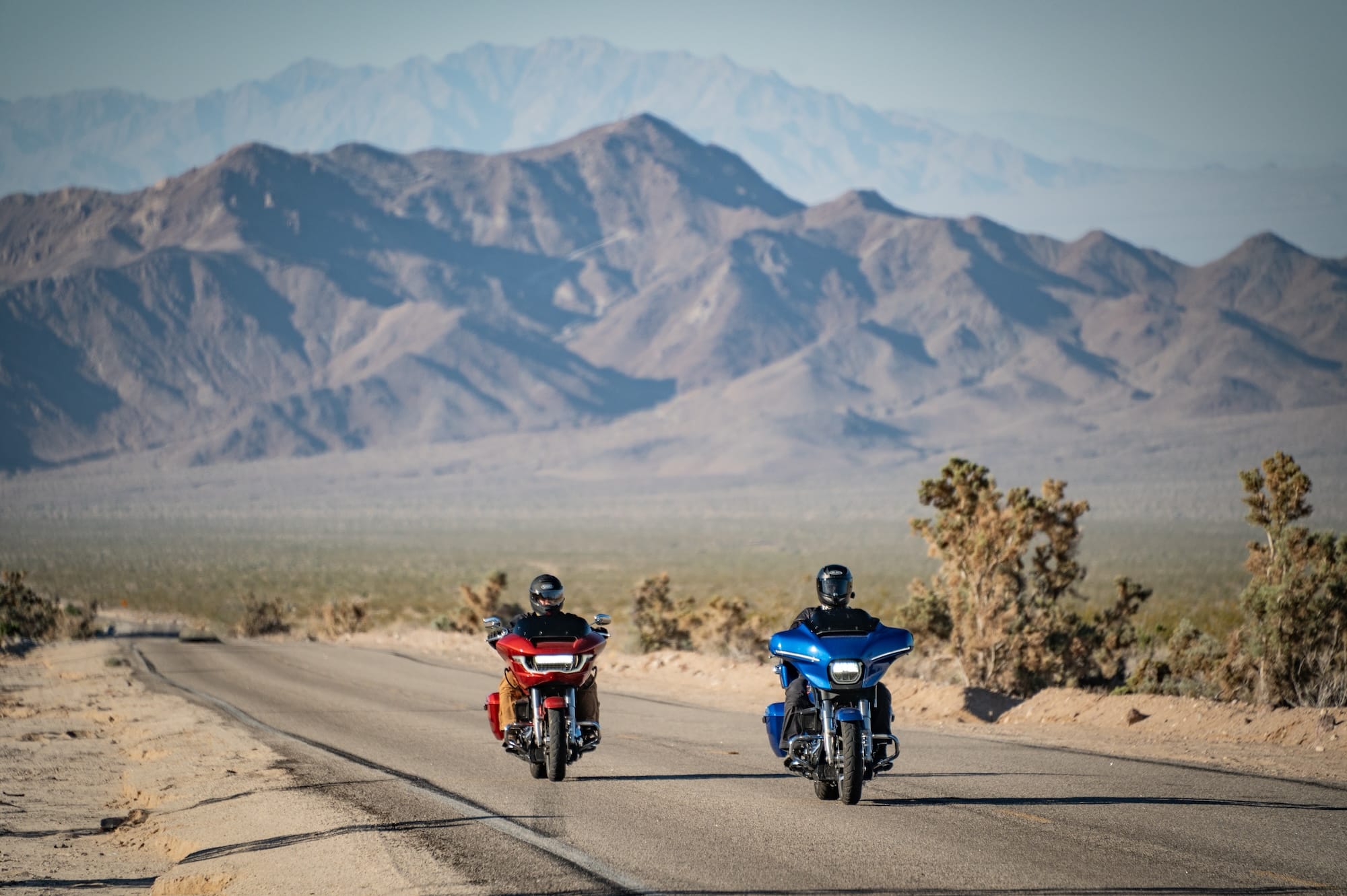
The California section of Route 66 is another ride that every motorcyclist should do at least once. Entering the Golden State at Needles, the Mother Road covers 316 miles through the Mojave Desert before rising over the mountains and ultimately terminating in Santa Monica.
Also in SoCal is the excellent ride known as the Rim of the World Highway. From the outskirts of San Bernardino, SR 38 twists up into the mountains before joining SR 18 at the eastern end of Big Bear Lake.
California SR 74 makes for a fun romp out of the golf courses of Palm Springs. Aptly nicknamed the Palms to Pines Highway, SR 74 serves you sweet curves that progress from a high desert landscape to mountain views with rocky, undulating terrain.
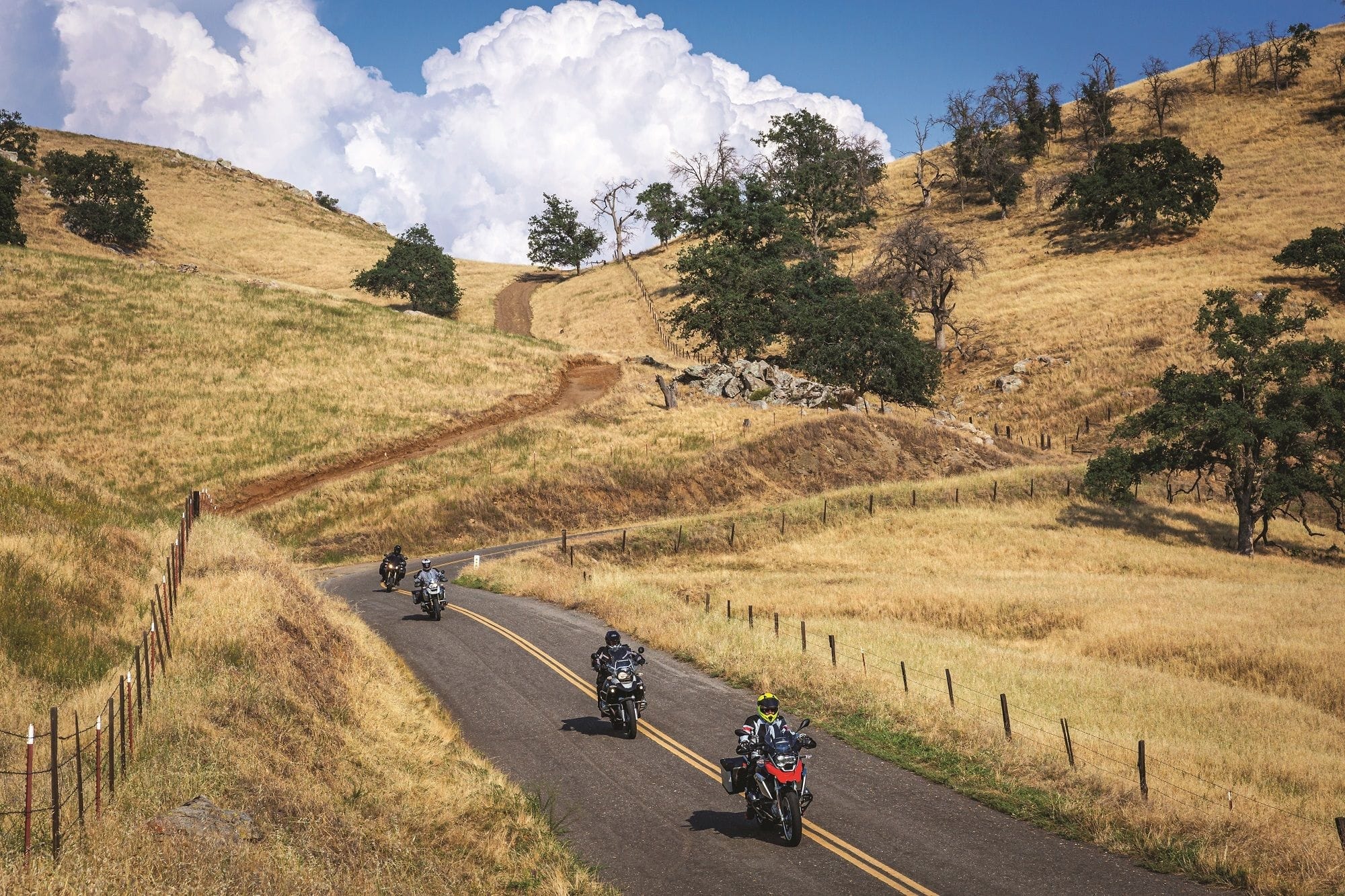
If you haven’t had enough of mountain thrills, put your wheels on the Angeles Crest Highway. North of Los Angeles, this two-lane marvel climbs, dives, and weaves into the San Gabriel Mountains, making for an ideal city escape.
But what if you would rather not escape the city? Then you must experience Sunset Boulevard after sunset. As night rolls in, the road comes alive, making for a unique urban ride. Read all about it in our Sunset Boulevard tour article.
Enough about SoCal, it’s time to move northward. The Central Valley and Central Coast regions allow you to experience a ridiculous variety of climate and terrain within a couple of days’ ride. For some highlights in this region, check out our Lockwood Valley and coast and mountains routes.
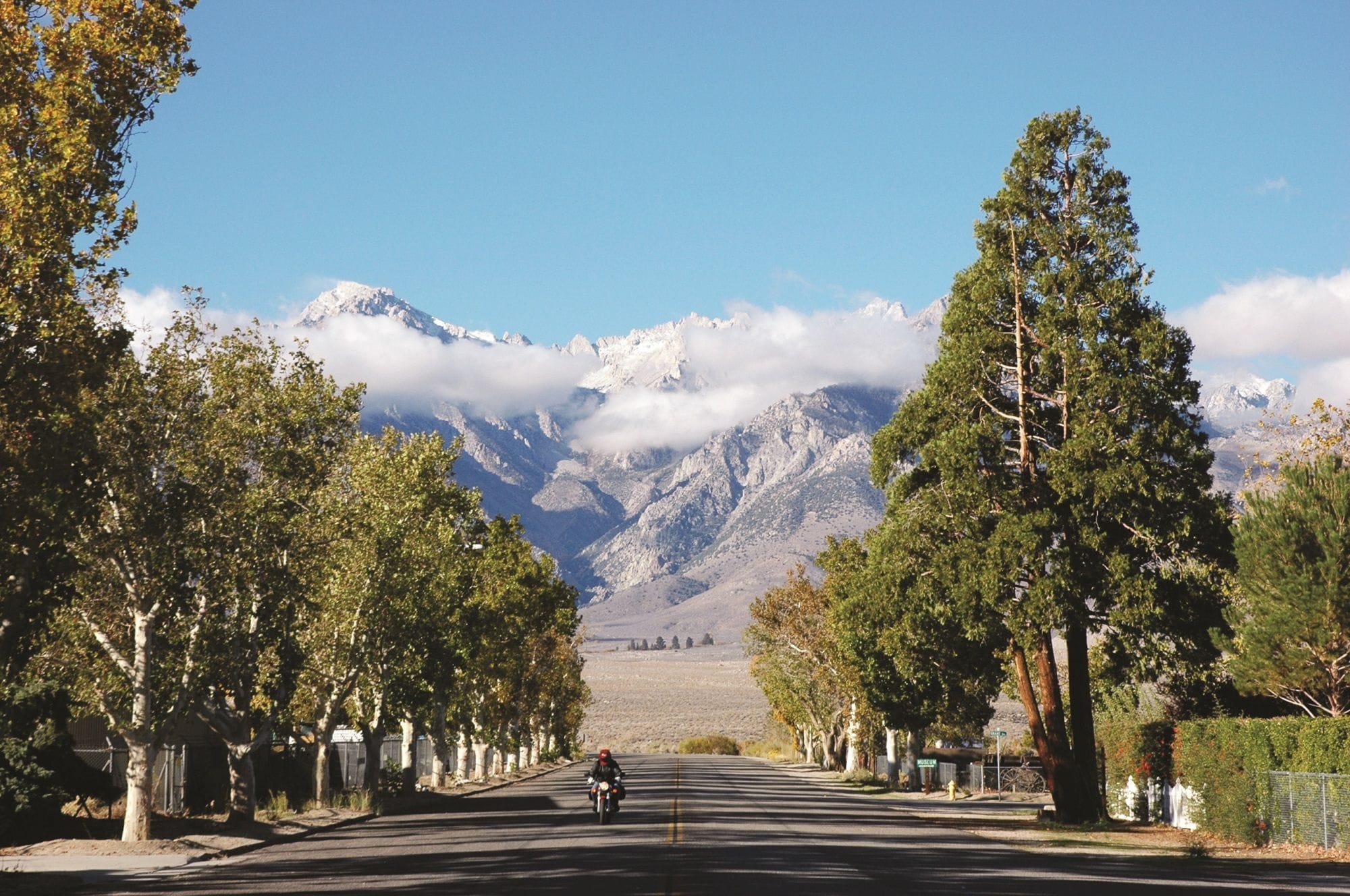
Oh, and what would a motorcycle trip to California be without experiencing the Sierra Nevada? Frankly, any road you ride up to the mountains will be a great one. But for a planned route, might we suggest motoring into the Sequoia National Forest/Park to gawk at the biggest trees you’ve ever seen?
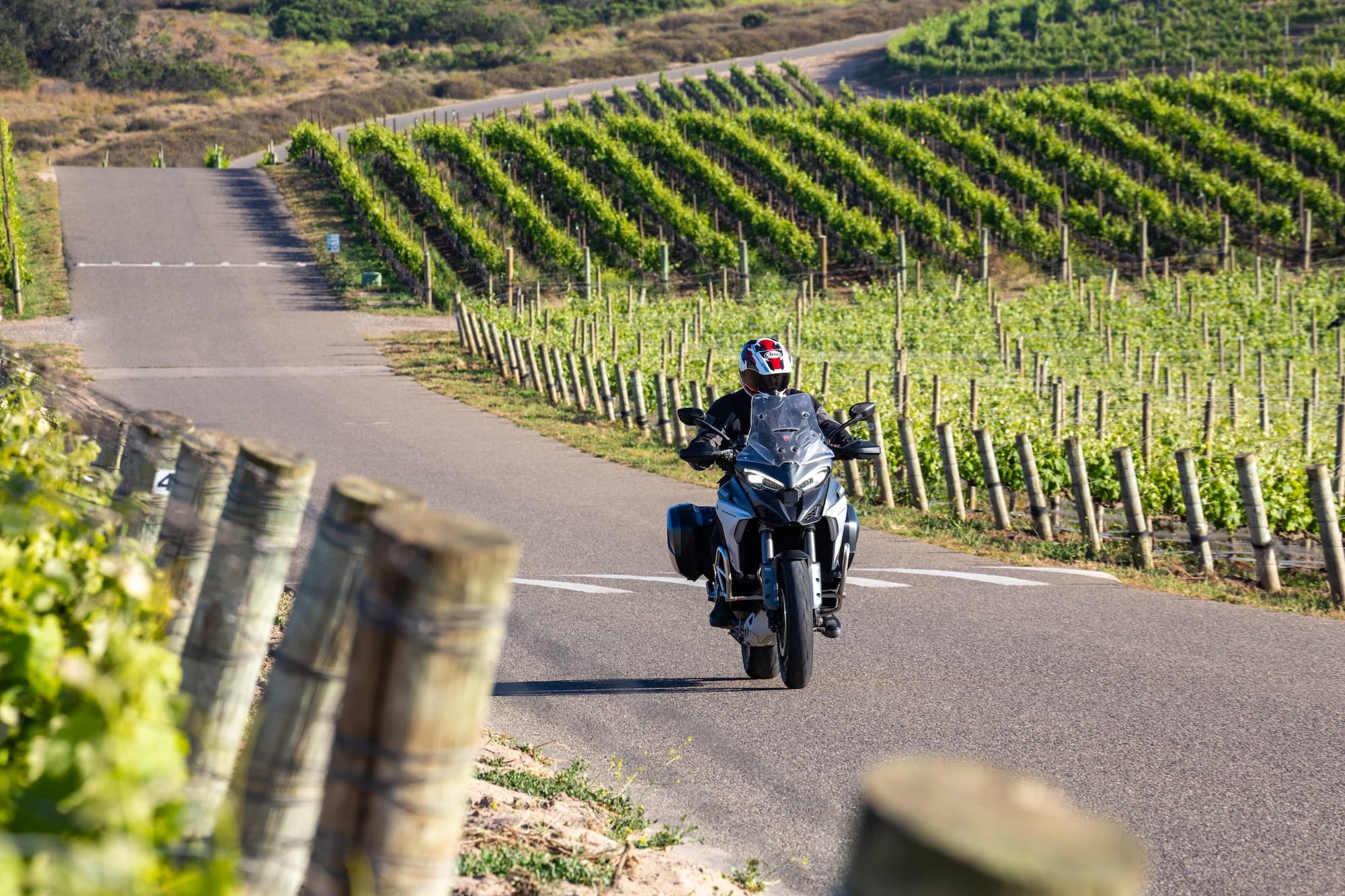
Napa Valley is California’s premier wine region. The Silverado Trail is a historical 30-mile jaunt that takes you on an unforgettable winery tour through stunning vistas and fascinating local history.
The Lost Coast is a mostly undeveloped stretch of NorCal’s craggy coastline, with excellent roads like the Wildcat and US 101 taking you to see it at its best. You should base your Lost Coast adventure in Ferndale, a wonderful little city with a fantastic collection of immaculately preserved Victorian buildings.
Did you know that Russia once had a heavily defended fortress in California? Today, it’s named Fort Ross, and it offers a unique look into the state’s history along the Pacific Coast Highway.
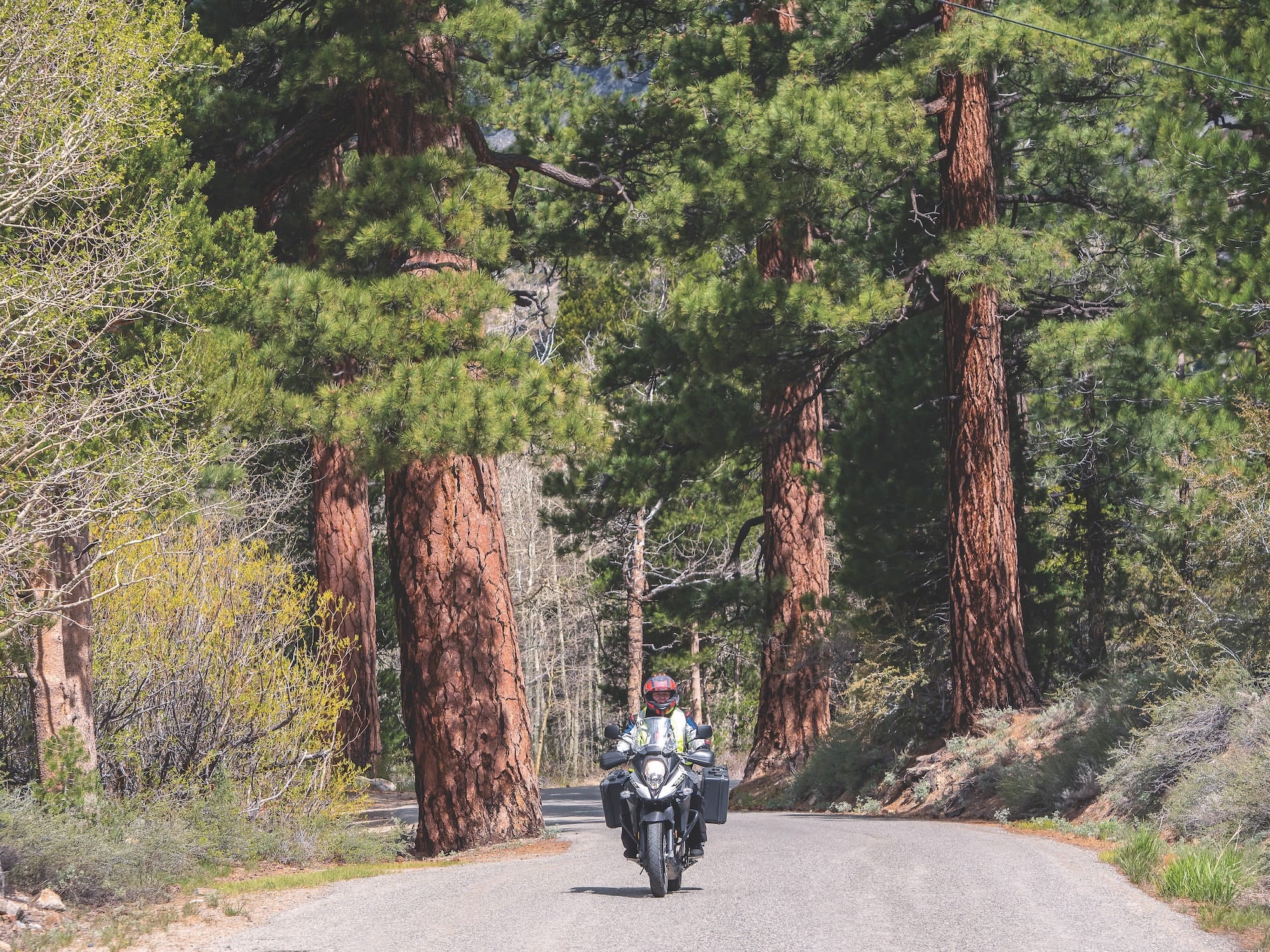
And then there are all of California’s national parks that allow you to ride both paved and unpaved roads. The most famous among them is Yosemite National Park in the Sierra. Other great destinations in this category are Joshua Tree, Pinnacles, Redwood, and Death Valley national parks.
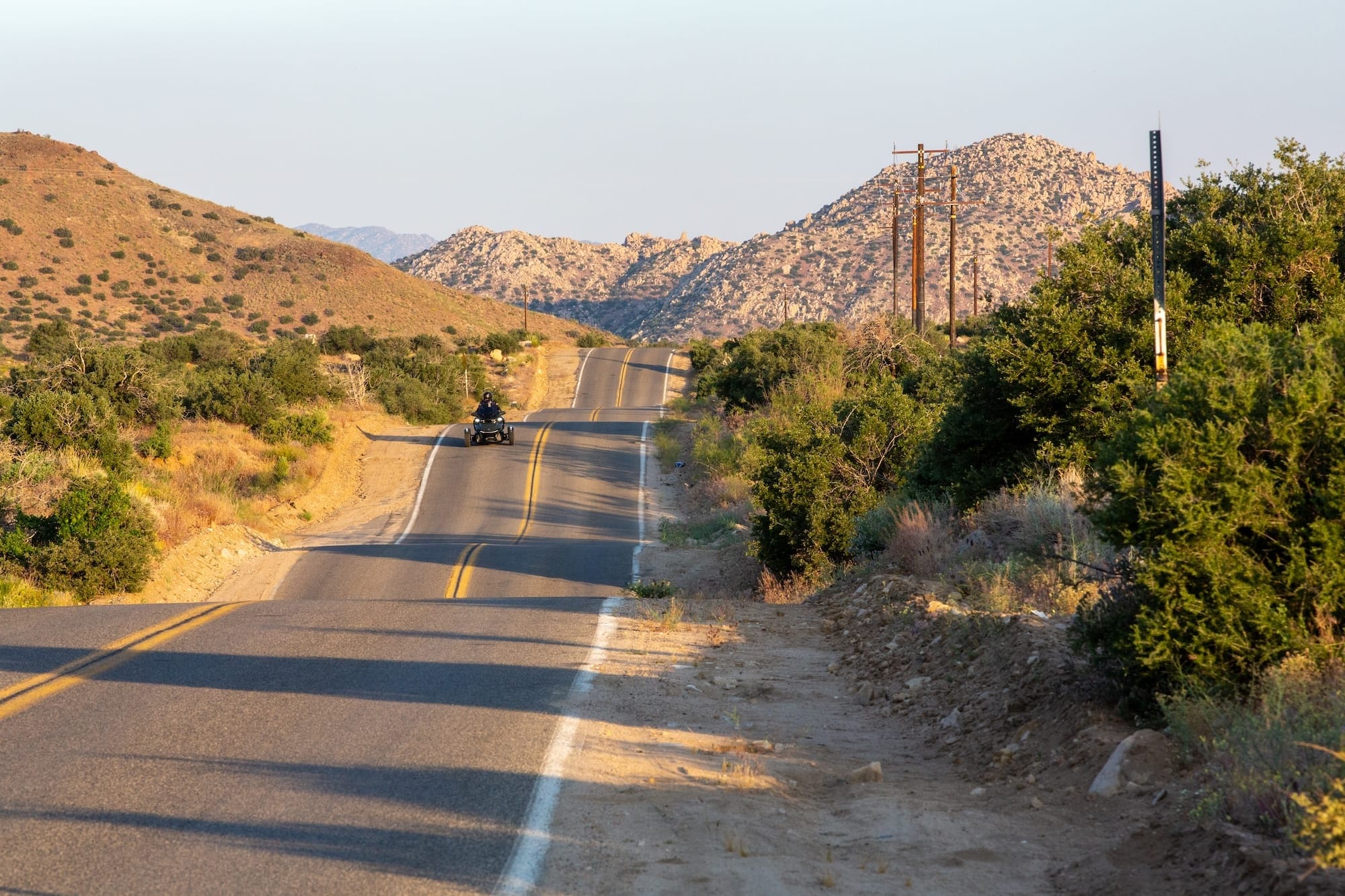
Last (and perhaps least), we wanted to point out California SR 275. It’s one of the country’s shortest roads—there’s not much of it to ride, but it makes for a great conversation starter.
ADV Motorcycle Routes in California
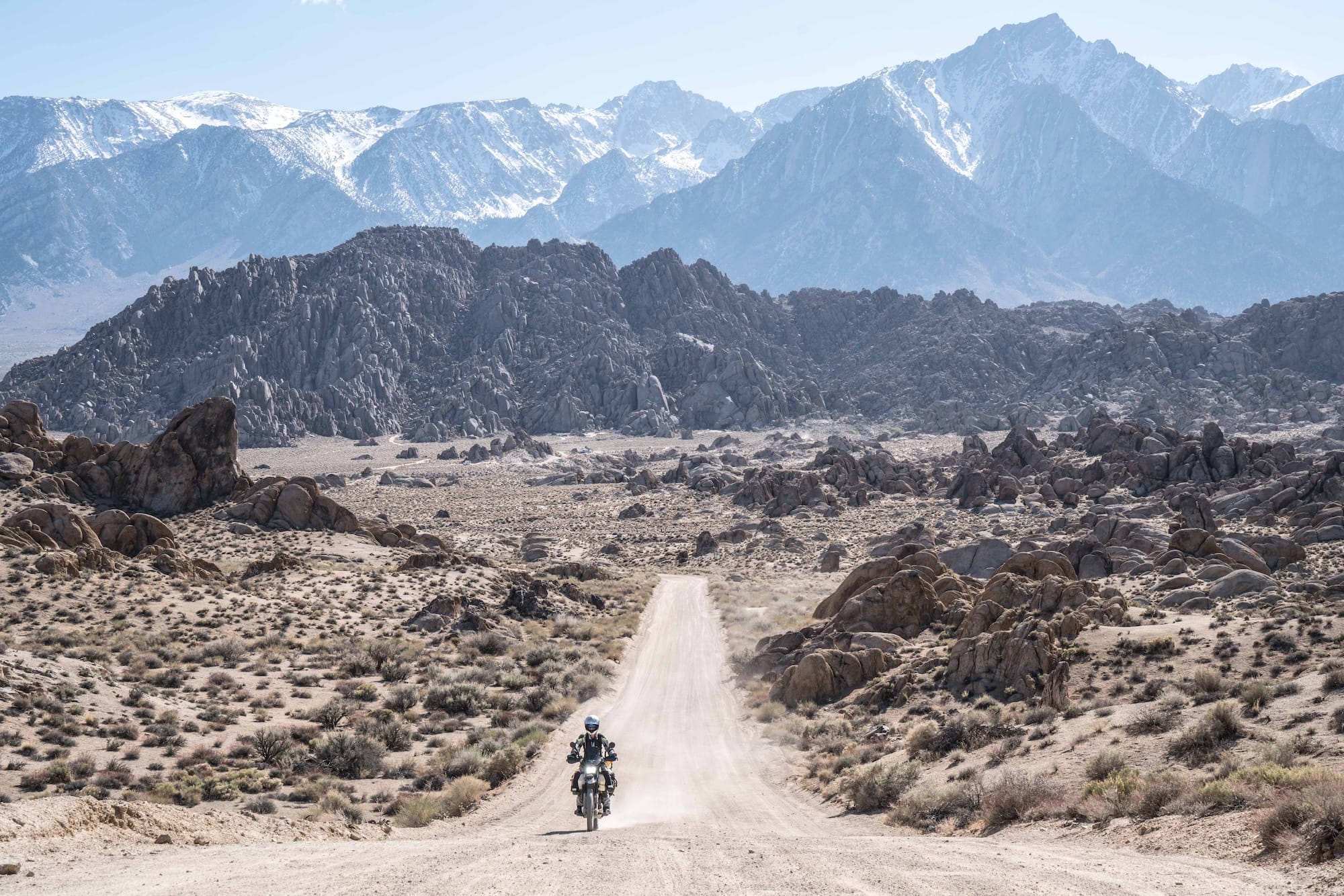
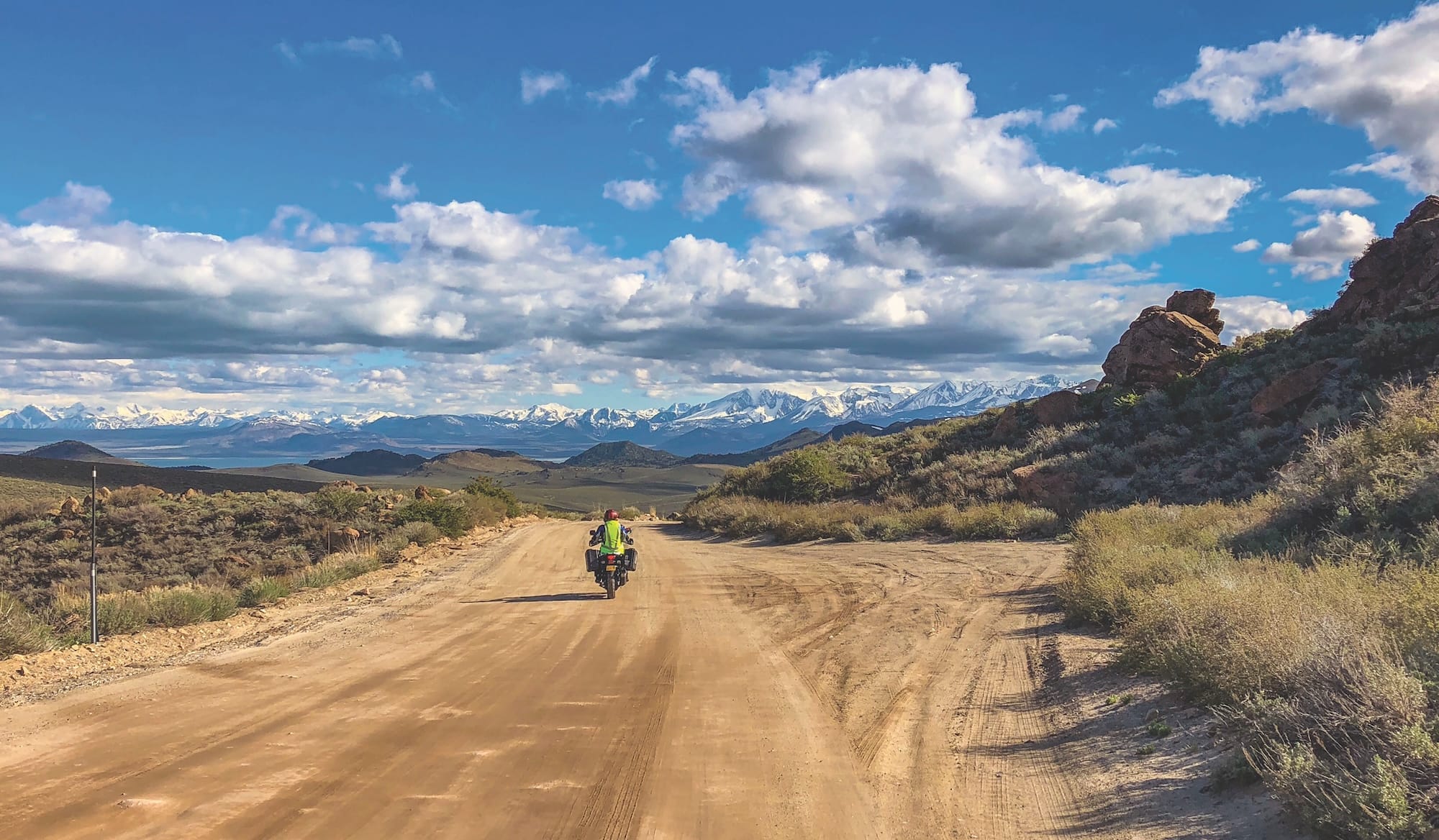
Motorcycle riders who prefer gravel or dirt to pavement will be spoiled in California. In fact, the state has so many great ADV options that you might find it difficult to choose where to go.
If you want it all, you should ride the California Adventure Trail. This 1,760-mile route slithers, twists, and turns through most of the Golden State’s major mountain ranges. It’s quite the tough adventure, but the route planners have included paved sections to bypass the most technical stretches.
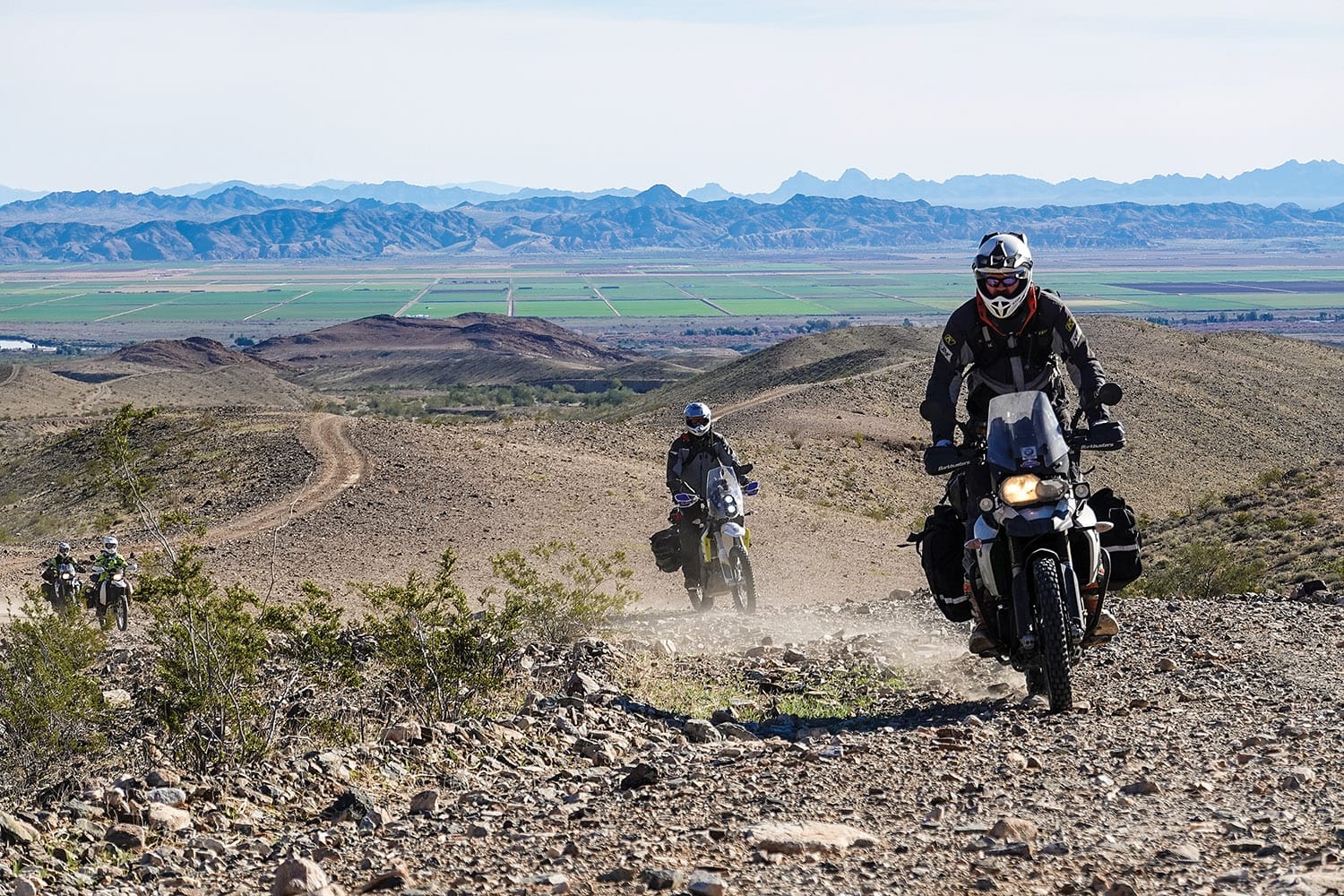
As we mentioned earlier, you could also simply head into the mountains without a larger plan. California’s mountains have a smorgasbord of unpaved fire roads and trails that will keep you occupied for days on end.
Meanwhile, riders who want sand should head into the deserts, which have too many OHV areas to count. Among the most well-regarded ones is the Johnson Valley OHV Area in the Mojave Desert.
For the ultimate desert riding challenge, you can brave the OHV trails of Death Valley National Park. But beware and prepare well. The place isn’t called Death Valley as a joke, and it has claimed many motorcyclists.
Tips for Motorcycling in California
California is a year-round riding destination, with its northern and southern reaches offering great riding at different seasons. NorCal is at its best in the summer and fall, with cooler temperatures up in the mountains making both riding and outdoor activities enjoyable. Meanwhile, SoCal’s warm climes make it an ideal winter and spring riding destination.
At the same time, both regions’ climates pose their own challenges. NorCal is prone to heavy fog rising from the ocean that can make riding dangerous, and the northern parts also get doused in heavy rains. In the south, summers are hellishly hot and can make riding a dangerous exercise. Additionally, rainfall in the south can result in devastating flash floods, so be careful if it starts drizzling.
Yet, as a bizarre (and regrettable) local quirk, most of California’s motorcycle accidents happen during perfect riding weather instead of in fog or rain. The weather in the state is simply so brilliant for motorcycling that riders can become less cautious and crash. Remember to always be careful on the road, no matter how great the ride feels.
Post-winter damage in the state can be heavy, so keep that in mind when planning spring rides. Landslides, in particular along the coast, can close roads for years on end (as keeps happening with the Pacific Coast Highway).
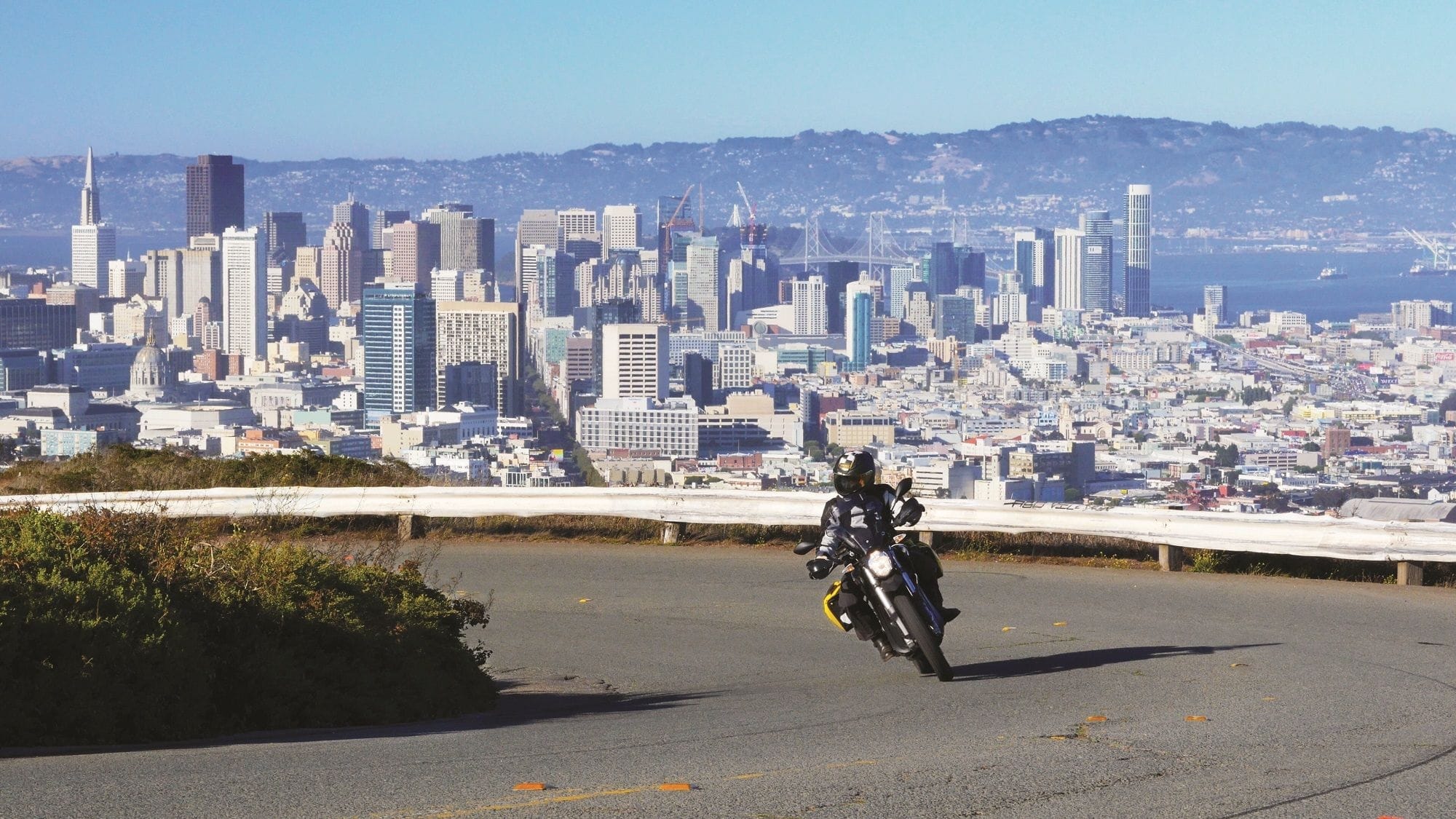
In California, a helmet is required for both the rider and passenger. Lane splitting is legal in the state. Shorter riders should be aware that, by law, your motorcycle’s seat must be low enough for your feet to reach the ground.
As a nice feature of California, you don’t necessarily need to come here with your own bike. The area is so popular with riders that rental motorcycles are very easy to find.
Some of California’s most significant motorcycling events include:
- Lost Coast Rally (summer)
- Hollister Motorcycle Rally (summer)
- Cambria Rally (summer)
- Born Free Motorcycle Show (summer)
- The Quail Motorsports Gathering (late summer)
Off-Bike Activities in California
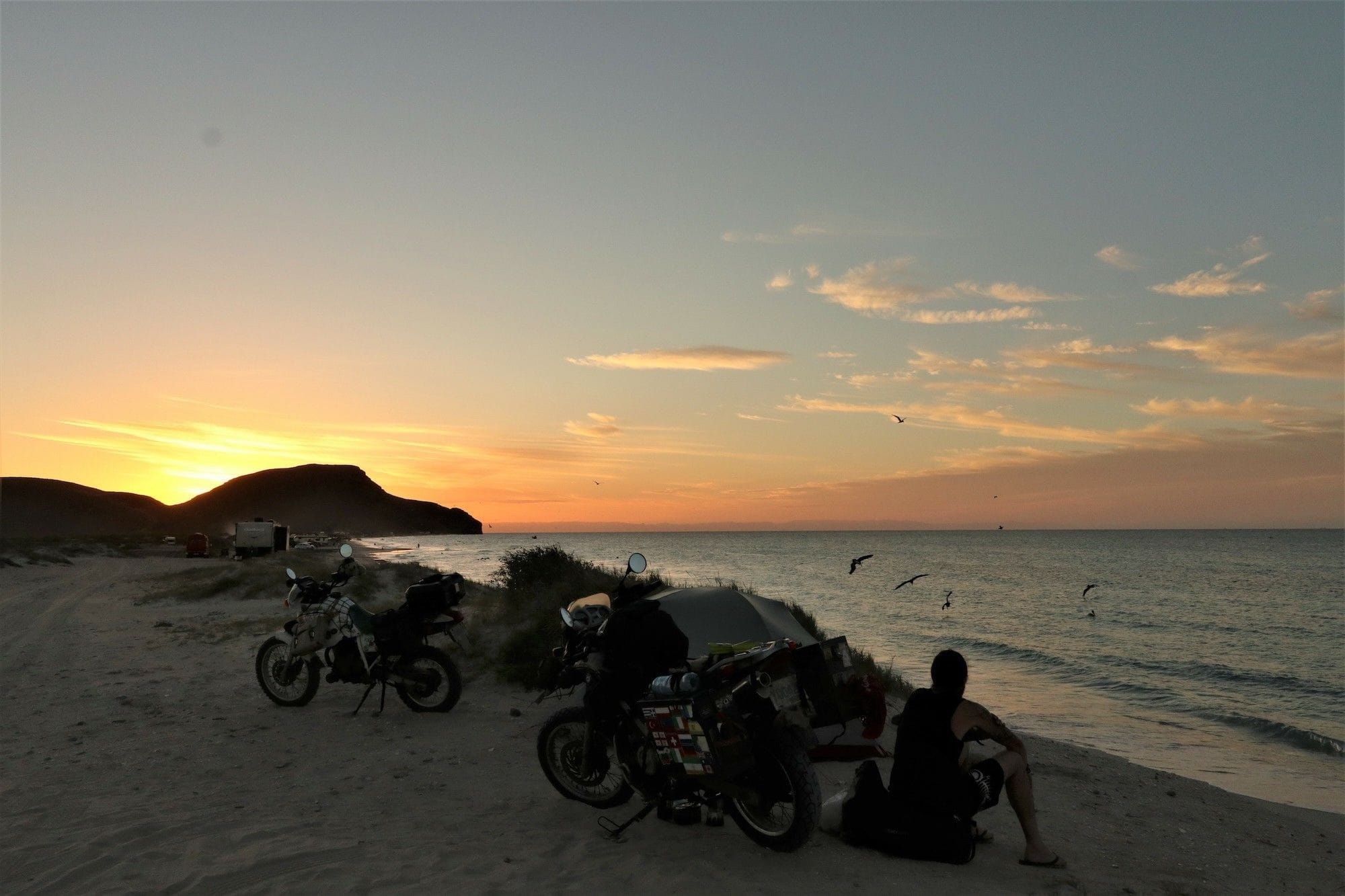
Besides having excellent motorcycle roads and trails, California bristles with things to see and do. SoCal’s beaches are, of course, one of its main draws, but other must-see things, places, and attractions include:
- Los Angeles
- Malibu
- Carmel-by-the-Sea
- Palm Springs (golfers, take note)
- Napa Valley
- Alcatraz Island
- Santa Catalina Island
- Hearst Castle
- Santa Monica Pier
- Yosemite National Park
- Sequoia National Forest
- Redwood National and State Parks
- Salton Sea
- The Getty Villa and Museum
- Ortega Falls
- La Jolla Cove
- Disneyland