How to Choose the Best Motorcycle Jacket for Hot-Weather Touring
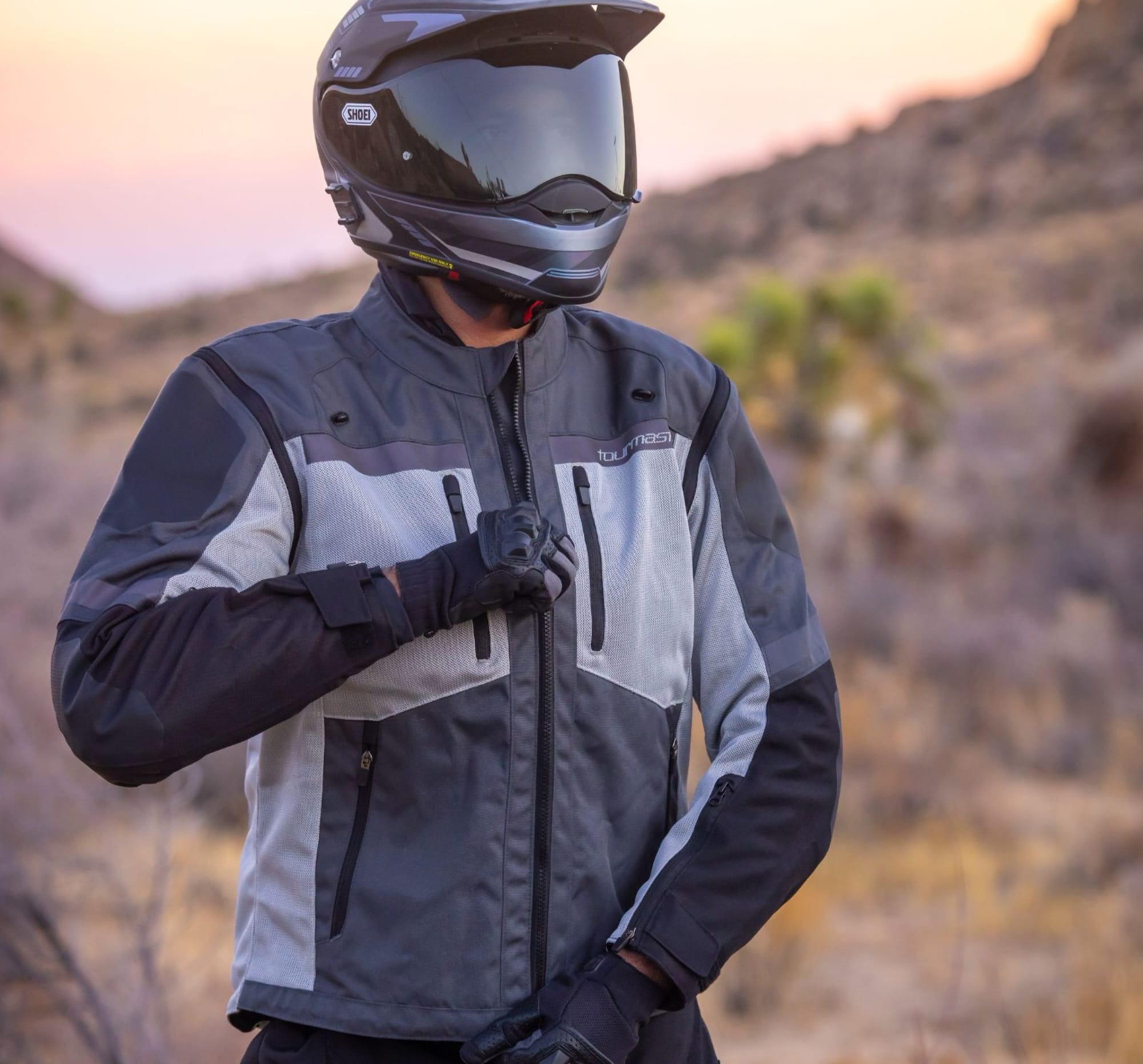
Staying safe and comfortable while riding in hot weather is a form of art. It all begins with the right kind of motorcycle jacket.
Your average riding jacket will only make for a sweaty and uncomfortable ride. It won’t have sufficient ventilation, breathability, and adjustability to deal with hot weather.
But what are the main features of an excellent hot-weather motorcycle jacket? In this article, we’ll go through the things you should look for and highlight three great jacket options from Tourmaster.
What to Look for in Hot-Weather Motorcycle Jackets?
The ideal motorcycle jacket for hot weather should more than keep you cool. On top of ambient heat, long summer days in the saddle come with wind and sun exposure, sudden weather changes, dehydration, and possible slides along the asphalt.
Your hot-weather riding jacket should address all these concerns. It requires excellent ventilation, sufficient protectivity, adaptive solutions, and a fit and color to suit warm days.
When shopping for a motorcycle jacket for hot weather, keep an eye out for these factors.
Mesh Ventilation
Well-functioning ventilation is the most important feature of a summer riding jacket. By maintaining a good airflow through the garment, you’ll both allow a cool breeze in to lower your body temperature and let moisture evaporate off your skin, further enhancing the cooling effect.
For the most efficient airflow, look for jackets that have large, closeable mesh panels, ideally on the chest, back, and arms. Even better, find a jacket with a mesh shell. With the zipper, these mesh panels allow you to control precisely how much air you let into the jacket.
If you can’t find a mesh jacket, look for jackets with the maximum number of air vents you can find. Although successful cooling is perhaps more about vent placement than number, more vents means you can usually find one in the right spot.
Although it can’t replace a good moisture-wicking base layer, try to find jackets with breathable inner liners and materials. They allow the internal airflow to evaporate as much sweat off your skin as possible.
Strong Protection
You may be looking for ways to stay cool, but they shouldn’t come at the cost of protection. Any good summer motorcycle jacket must still come fully armored so you can remain cool and safe.
Look for CE Level 2-certified armor panels in the shoulders and elbows. Your chosen jacket should also come with a back protector pocket. Chest armor is also important for dual sport and ADV riders, but road tourers will generally be fine with some padding on the jacket chest.
For hot-weather touring, however, you should also look for perforated armor pads. These types of armor don’t stop airflow while still providing more or less comparable protection to regular solid pads. It’s a good idea to look for jackets that allow you to swap armor pads yourself or come default with perforated armor.
Also, choose a jacket with strong abrasion-resistant panels in high-impact areas (mostly shoulders, elbows, and forearms).
Weather Adaptability
Although hot weather is your primary concern, your jacket should also keep you comfortable in other types of weather. Not every summer day is a bright and warm one, so look for modular jackets with detachable liners for adverse conditions.
In particular, try to pick a jacket with a removable waterproof shell that packs neatly into a separate pouch. It allows you to cover yourself when the sky opens up without hindering ventilation in hot weather.
A detachable thermal liner is helpful on cold days or if your tour includes stints in cooler climes, like up on high mountains. Combine both of these layers with an under-helmet hood that folds into the jacket collar, and you’re prepared for any kind of summer weather.
Adjustable Fit
You don’t want your touring jacket to be too tightly fitting, as it will hinder ventilation and make you miserably hot. At the same time, a jacket that’s too loose will increase buffeting and may also allow hot air to build up inside the shell.
Purchase a jacket that has plenty of adjustability in terms of fit. Look for fasteners on the waist and sleeves, in addition to pre-curved sleeves and tighteners on the biceps and chest. Strategically placed stretch panels on the sides and arms also go a long way toward keeping you comfortable in the saddle.
Another thing you may want to keep an eye out for is detachable sleeves. Although taking the sleeves off will compromise protection, they may increase riding comfort in certain situations.
Light and Visible Colors
Motorcyclists tend to favor darker colors for the cool factor, but in hot weather, you should look less menacing. Dark colors absorb more heat, so your summer riding jacket should have a lighter tone, like a light tan, blue, or gray color. White would be the best, but few jackets come in white.
However, that light color can blend into the surrounding scenery, particularly on bright days with a lot of glare from the sun, and render you harder to see on the road. As such, pick a jacket that complements the lighter tones with hi-viz accents, like a blazing orange or yellow, for added visibility.
You may also be tempted to stretch the riding day past sunset, when the temperatures fall. Riding at night is generally not recommended, but having large reflective panels on the jacket can make it a little bit safer.
Jacket-to-pants Connection
You might think sealing yourself into your riding suit will only make you hotter. However, a zippered jacket-to-pants connector can actually help keep you cooler in extremely hot weather.
When the ambient temperature rises past 90 degrees, your body begins to absorb heat from the air instead of releasing it. Having your skin exposed to such hot air will only raise your body temperature.
As such, when riding in extremely hot areas (like the deserts of Arizona, California, or Utah), you’ll want to be able to seal yourself off from the outside air as effectively as possible.
As important as it is, however, a hot-weather riding jacket is just the first piece of a complete summer touring gear set. For more information on how to keep cool in hot weather, read our guide to motorcycling heat management.
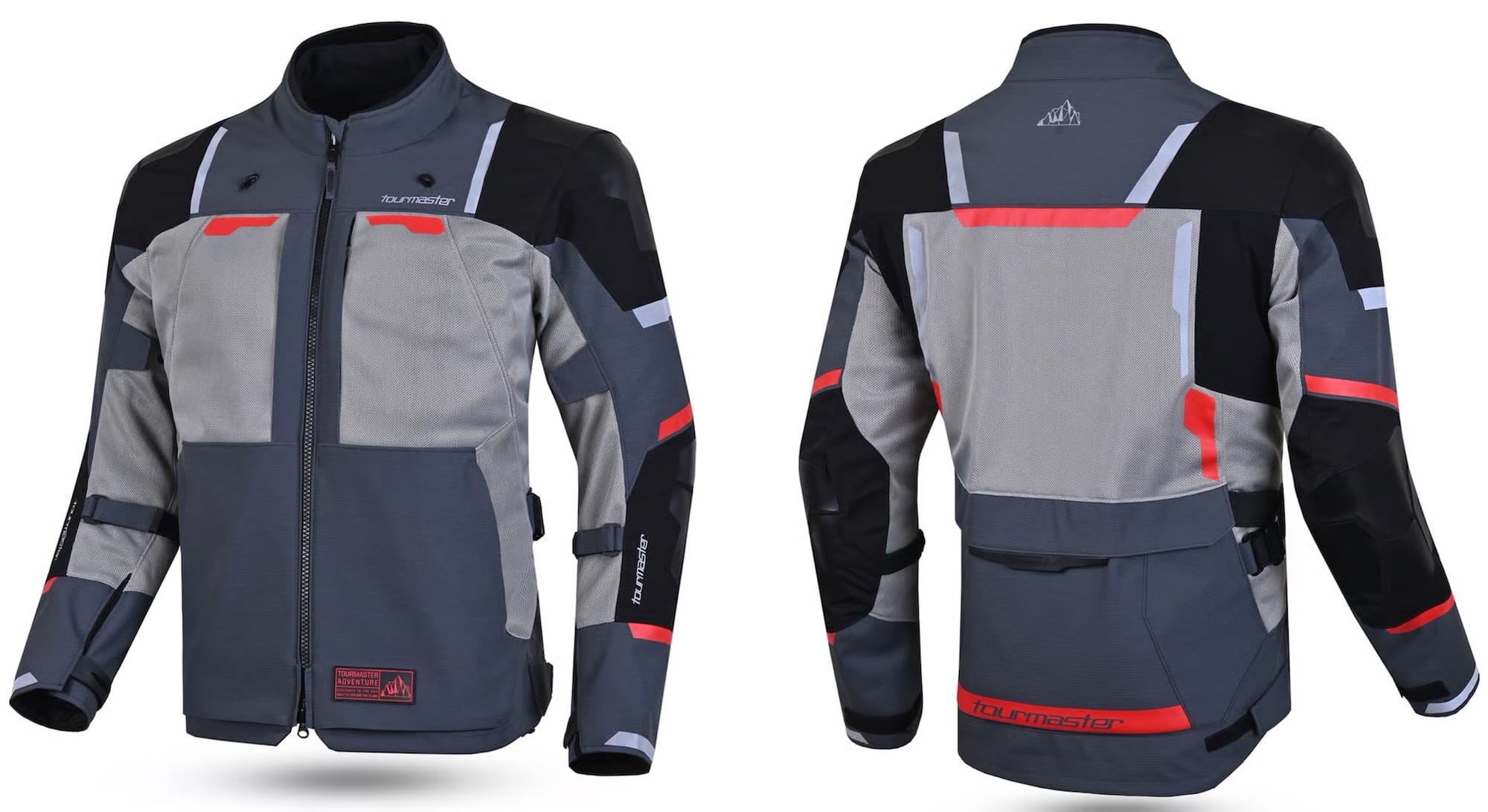
Tourmaster Zephyr Mesh Jacket
The Tourmaster Zephyr mesh jacket brings to the table a fully-featured hot-weather riding jacket. It ticks all the boxes without breaking your wallet, offering well-working ventilation through its large mesh panels.
The Zephyr features a see-through waterproof shell that can be worn both under and over the jacket, depending on your preferences. It has a separate, compact, high-viz orange storage pouch, making it both easy to find and keep out of the way when not in use.
Inside the jacket is a removable thermal waffle liner for colder days (or seasons). The zippered sleeves can be removed to turn the jacket into a vest.
Protection is top-notch too, with CE Level 2 armor pads on the shoulders, elbows, and back. Although the whole outer shell is made of ripstop polyester, the jacket still has heavier nylon patches on key impact areas.
And you get this all at a price that’s surprisingly affordable. The jacket colors are pretty dark, but otherwise, the Zephyr is a complete package for riding in a heatwave.
For a more detailed look at the jacket, read our full Tourmaster Zephyr suit review.
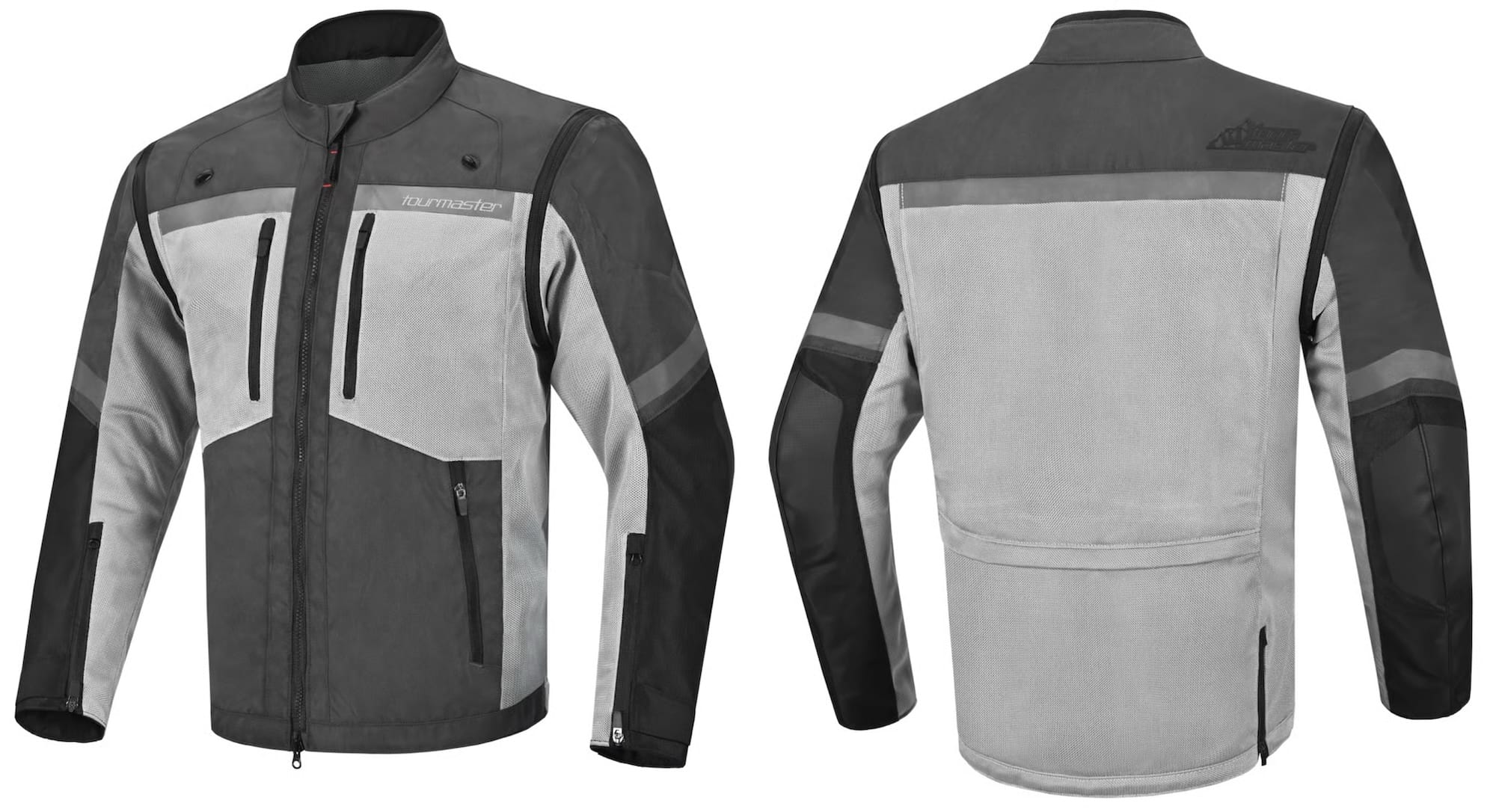
Tourmaster Adventure Lite Mesh Jacket
The Tourmaster Adventure Lite mesh jacket makes a great value proposition to summertime dual sport riders. This jacket goes for simplicity and comfort over an all-encompassing feature list.
Over a breeze mesh shell, the Adventure Lite features 420D polyester panels, resulting in plenty of airflow. The back, shoulder, and elbow armor is CE Level 1-rated, and the jacket has laminate patches on the shoulders and elbow for abrasion resistance. As with the Zephyr, the sleeves zip off for even more airflow.
Otherwise, the Adventure Lite jacket offers minimal extras to keep the weight light and the fit comfortable. It has adjustment zippers on the sleeves and waist, but no rain or thermal liner of any kind. Additionally, the colors are again very dark.
With the barebones construction, however, the Adventure Lite keeps the price low. If you’re looking for a riding jacket dedicated to the hottest and driest environments, the Adventure Lite will serve you with distinction.
For more details, read our Tourmaster Adventure Lite suit review.
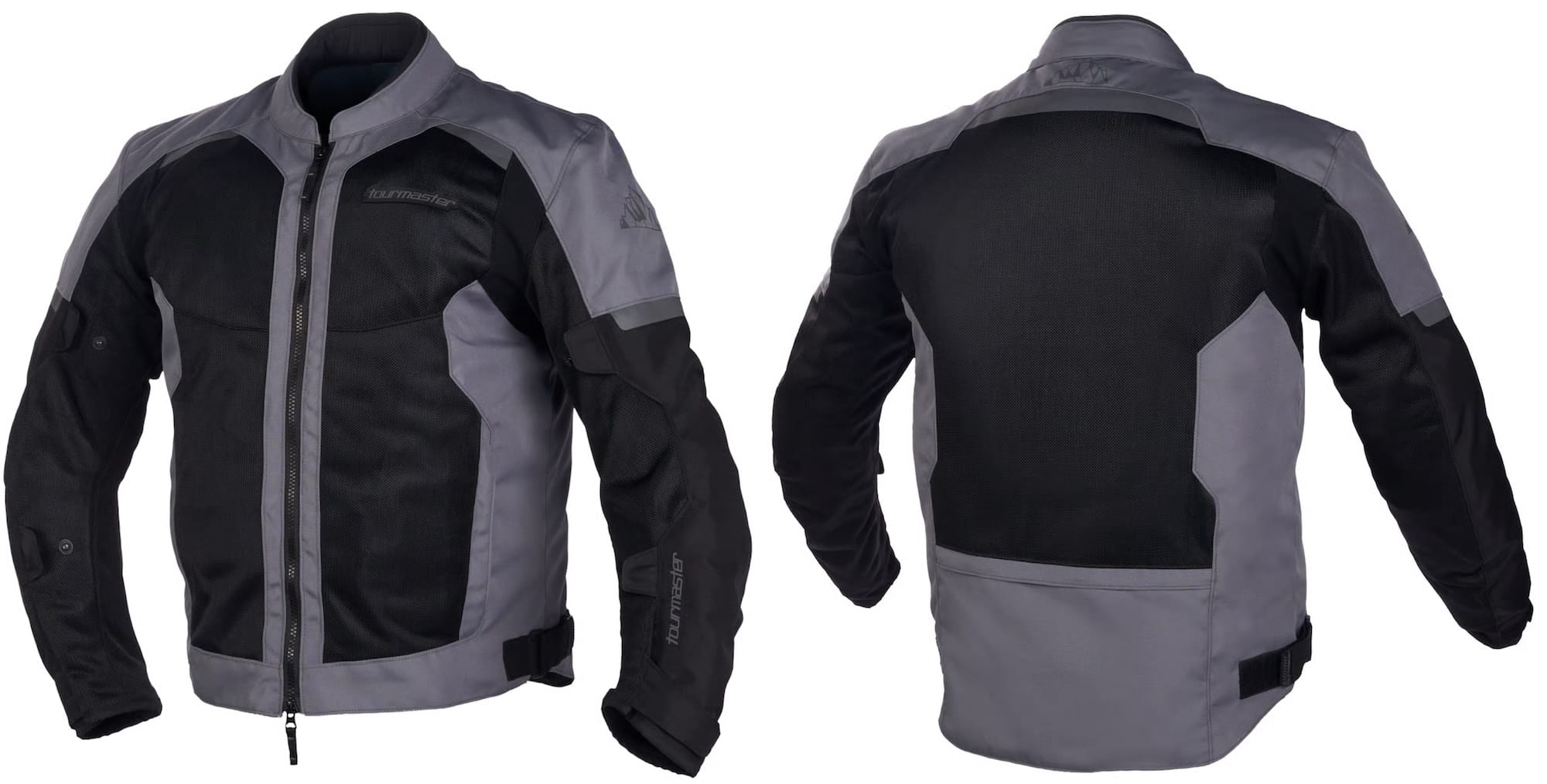
Tourmaster Draft Air 2.0 Jacket
Riders who prioritize comfort and airflow should check out the Tourmaster Draft Air 2.0 jacket. This mesh jacket offers a budget option for those hot rides.
This mesh jacket is covered with 600D polyester panels. Its construction results in plentiful air blowing through the jacket, which will keep you cool.
For enhanced comfort, the Draft Air 2.0 features curved sleeves for an ideal riding position. The jacket also has stretch panels at the shoulders and elbows for improved mobility.
Protection stems from CE Level 1 perforated Armanox armor pads in the shoulders, elbows, and back. Like the Adventure Lite, the Draft Air 2.0 doesn’t come with any liners, although it does feature a waterproof cell phone pocket.
As with the other Tourmaster jackets, your color options are black or black with accents. At its price point, however, the Draft Air 2.0 makes for a functional hot ride jacket.