Big Bang: Ducati 916 and MV Agusta F4
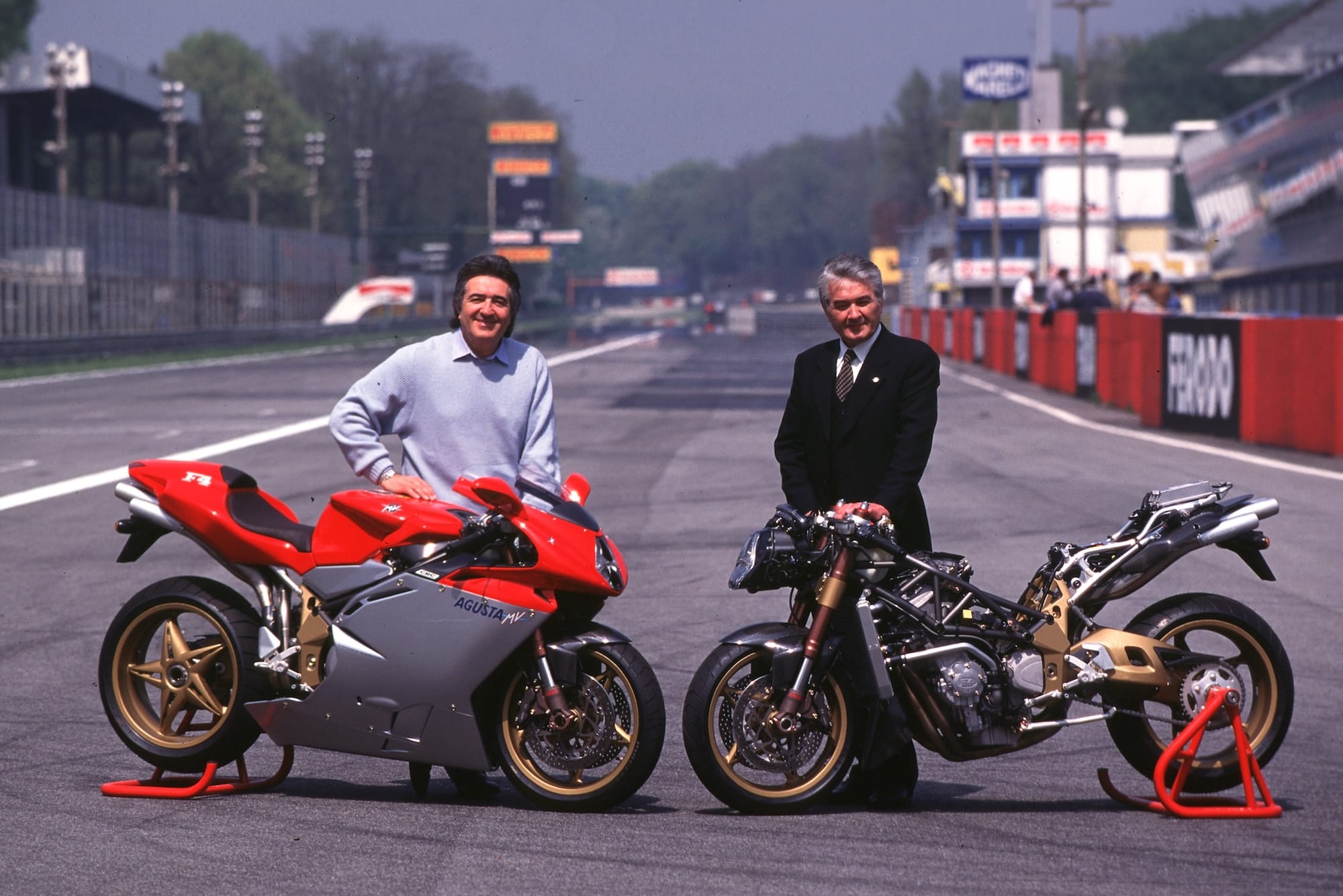
Cagiva was an Italian motorcycle company founded in 1978 on the remains of AMF-Harley-Davidson’s involvement with the aircraft manufacturer Aermacchi. The latter had entered the motorcycle business after World War II and, in 1960, Harley-Davidson bought a controlling share in Aermacchi to provide an answer to the threat of lightweight single-cylinder Japanese bikes.
Toward the end of the 1970s, motorcycles no longer fit into the corporate strategy of Harley’s then-parent company AMF, which planned to close the Italian factory in May 1978. However, brothers Claudio and Gianfranco Castiglioni expressed interest in what was left of Aermacchi’s motorcycle production.
So, the duo took over the plant in Varese, together with the import of Harley-Davidson motorcycles to Italy. In 1979, the Castiglionis presented their new model line at the EICMA show in Milan. Demand was enormous.
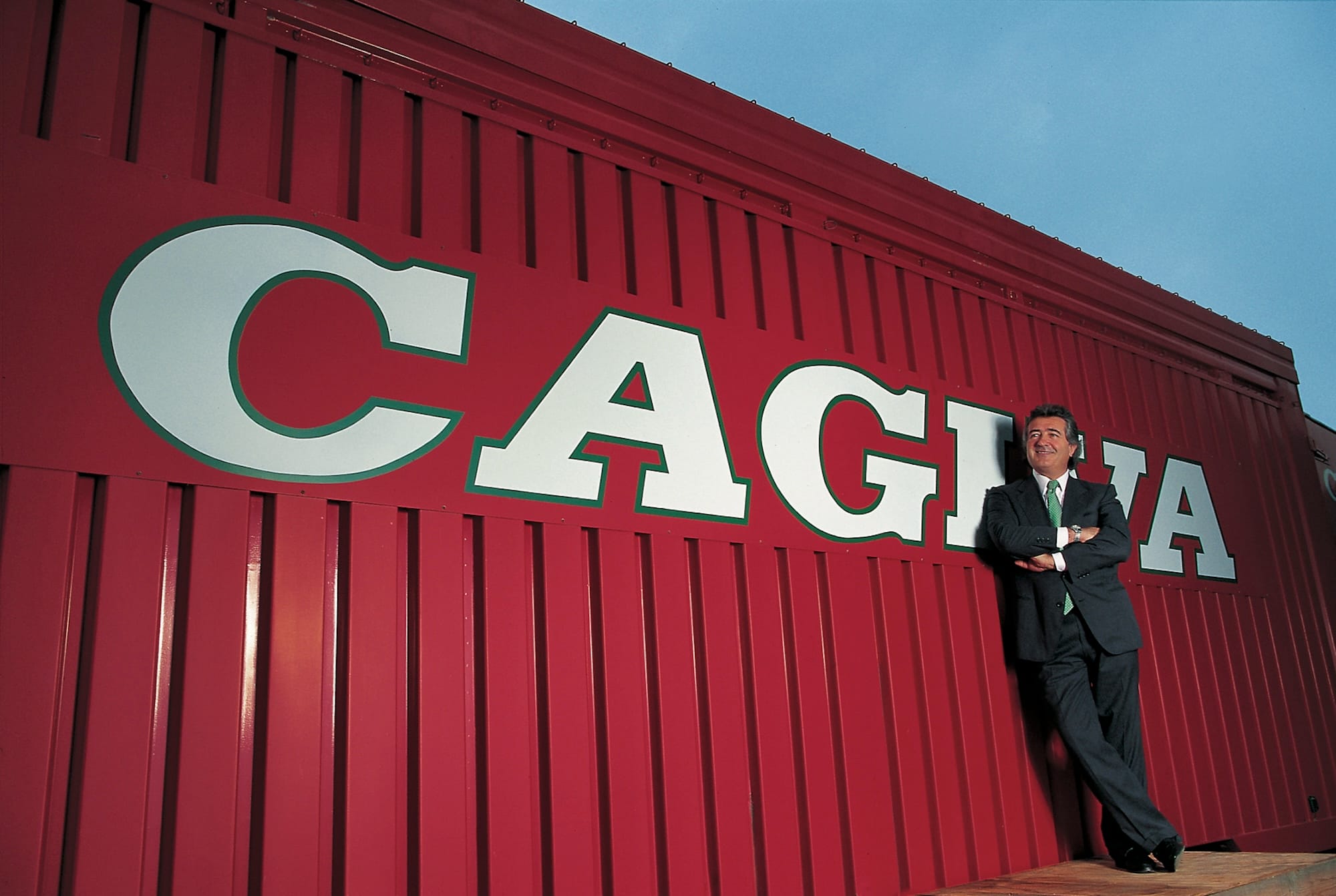
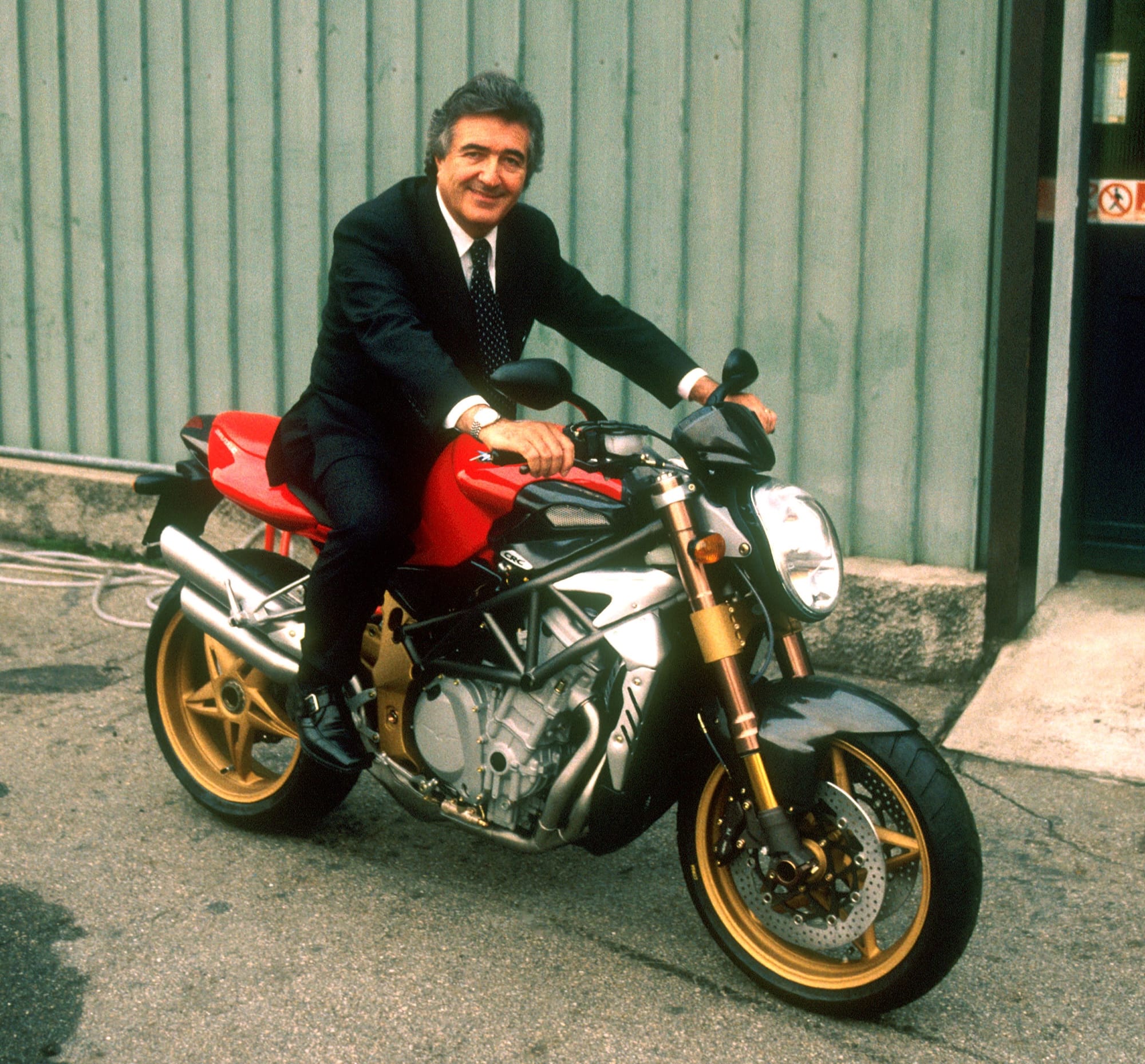
Claudio Castiglioni (passed away in 2011) quickly turned Cagiva into a market leader in the light motorcycle category. Business was good and, in 1985, he bought Ducati.
However, he quickly realized that something completely new was needed to put the ailing Bolognese motorcycle company back on the road to success. Less than 2,000 machines were sold in 1984.
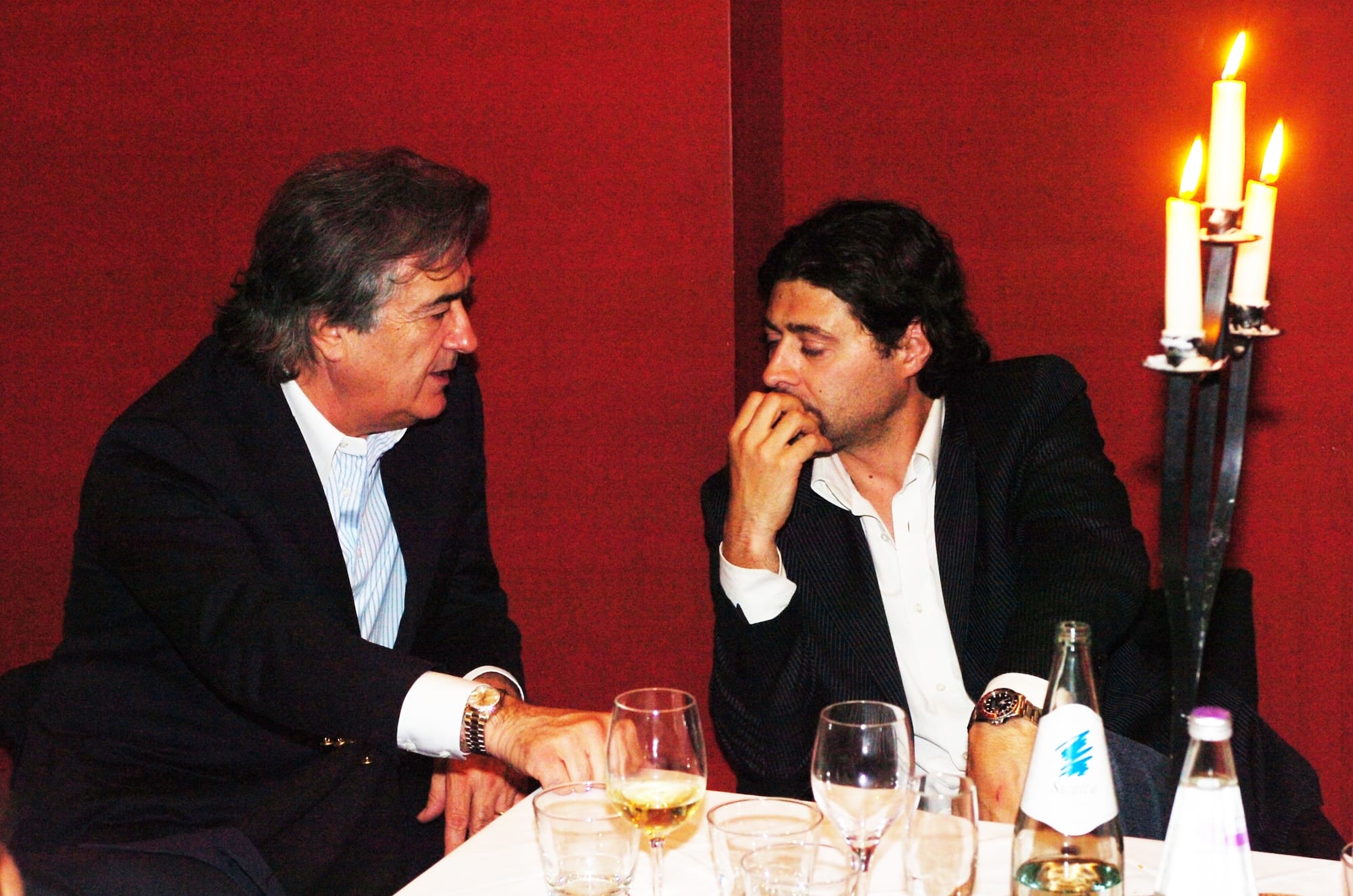
So, Castiglioni commissioned Massimo Tamburini (died in 2014), the co-founder of the prestigious Bimota motorcycle company, to design the Aletta Oro 125 bike. Together, Castiglioni and Tamburini formed an explosive duo that created two icons that all subsequent sportbikes had to measure themselves against for a long time.
Driven by an irrepressible passion, they turned grandiose visions into reality, even if it often took a little longer than originally planned.
Claudio Castiglioni
Orlandi Arrives
After the successful Aletta Oro 125, Castiglioni put the relaunch of Ducati with the Paso 750 in Tamburini's hands. This fully faired motorcycle featured innovative lines and its concept was imitated afterward by many other companies.
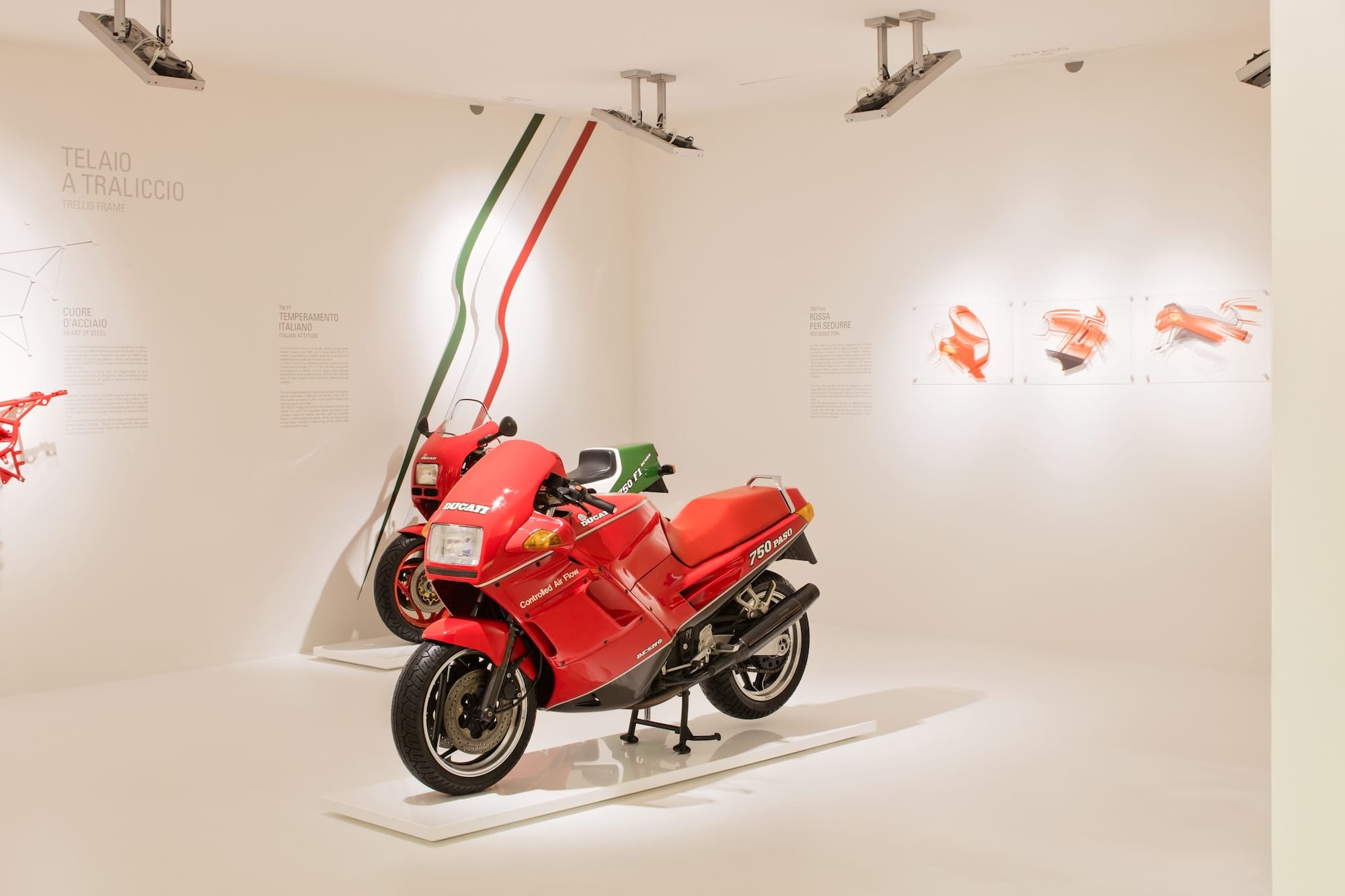
It was during this initial period that Tamburini's own up-and-coming R&D company advertised a summer job, for which a certain Fabio Orlandi applied. It was a classic leap into the deep end for the architecture student from the University of Florence.
In the beginning, there was only an anonymous, empty industrial hall on the freeway between Rimini and San Marino on the Adriatic coast with a motley crew.