2026 Suzuki GSX-8TT

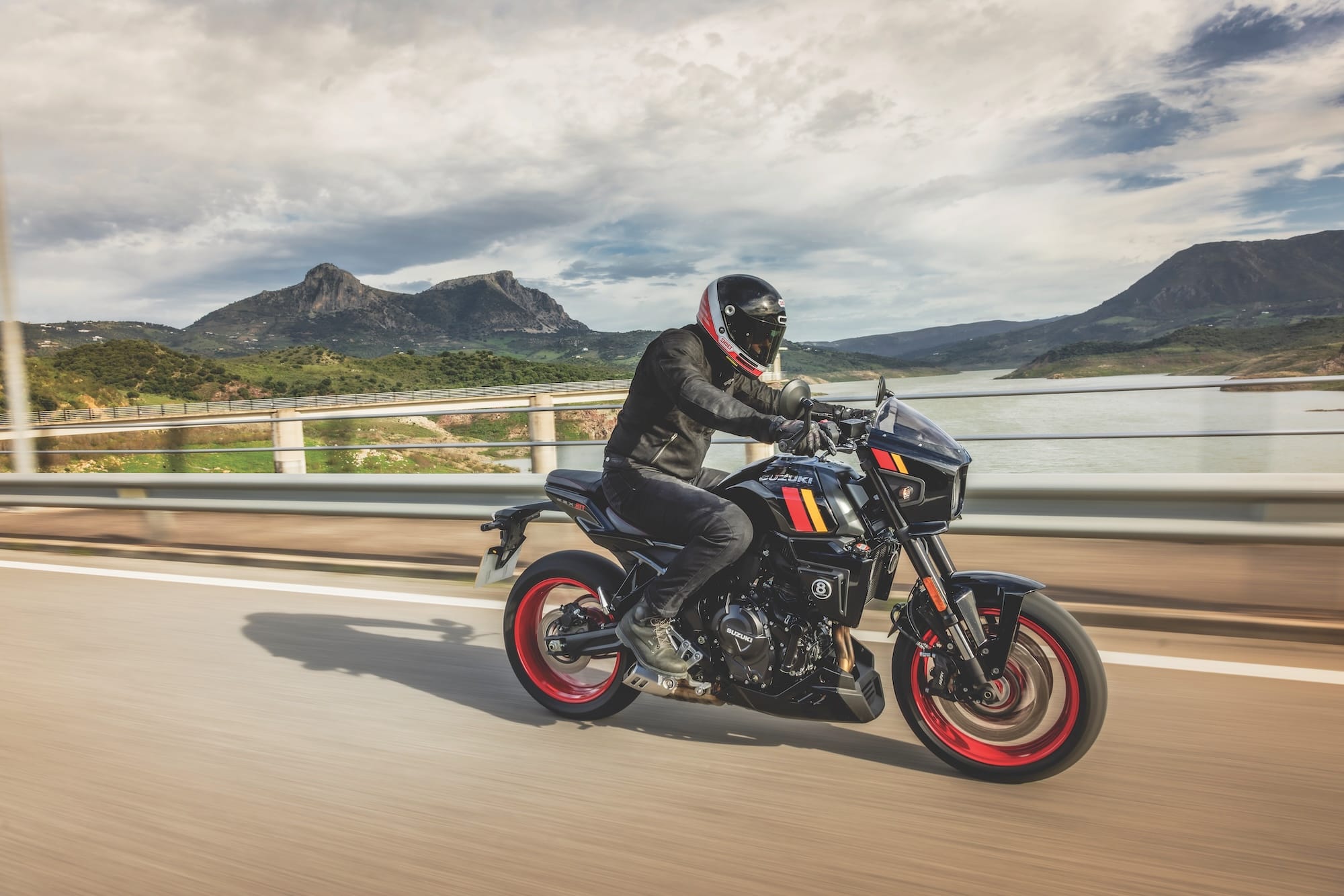
Any journo’s self-assigned knee-jerk task when reviewing a motorcycle is to point out its flaws. While this is a valid function of a bike review, doing so with the Suzuki GSX-8TT can feel a bit silly. Especially when you’d be relegated to complaining about petty cost-cutting corners (if you’ll pardon the pun), such as putting in a straight valve stem instead of a 90-degree one on a 17-inch wheel with dual 310mm discs.
The TT is the kind of motorcycle that you get off after a ride and think, “That there’s a good bike.” It won’t blow your socks off or make you feel things like a Ducati Streetfighter might. But that ignores how well-rounded and thoughtfully designed it is. It completely lacks any rough edges whatsoever.
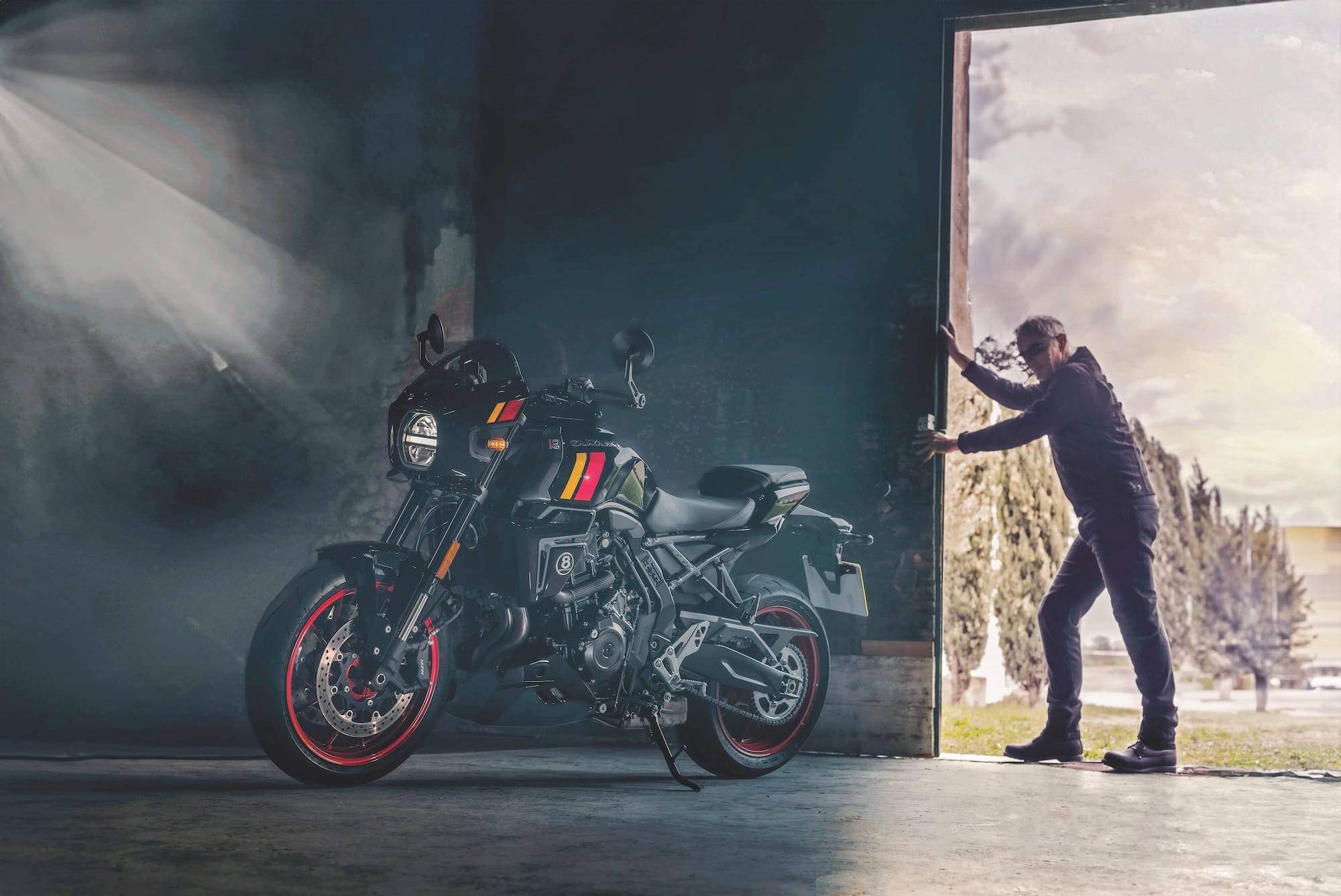
Best Friend Bike?
In an interesting motorcycling era of premium European motorcycles and affordable Chinese and Indian bikes hitting our markets, we would do well not to forget about our polished, reliable, high-value proposition Japanese options. The situation is not unlike the 80s rom-com trope where the perfect partner was right there the whole time while the main character was chasing after something they thought they wanted.
It appears the value proposition of the TT is actually one of its biggest downsides, at least according to my sources across a number of mothers’ basements. The basis for the online critique is that the GSX-8TT is $1,900 more expensive than Suzuki’s own naked offering, the GSX-8S. While this is true, the two bikes are not identical, and the customer base is arguably different.
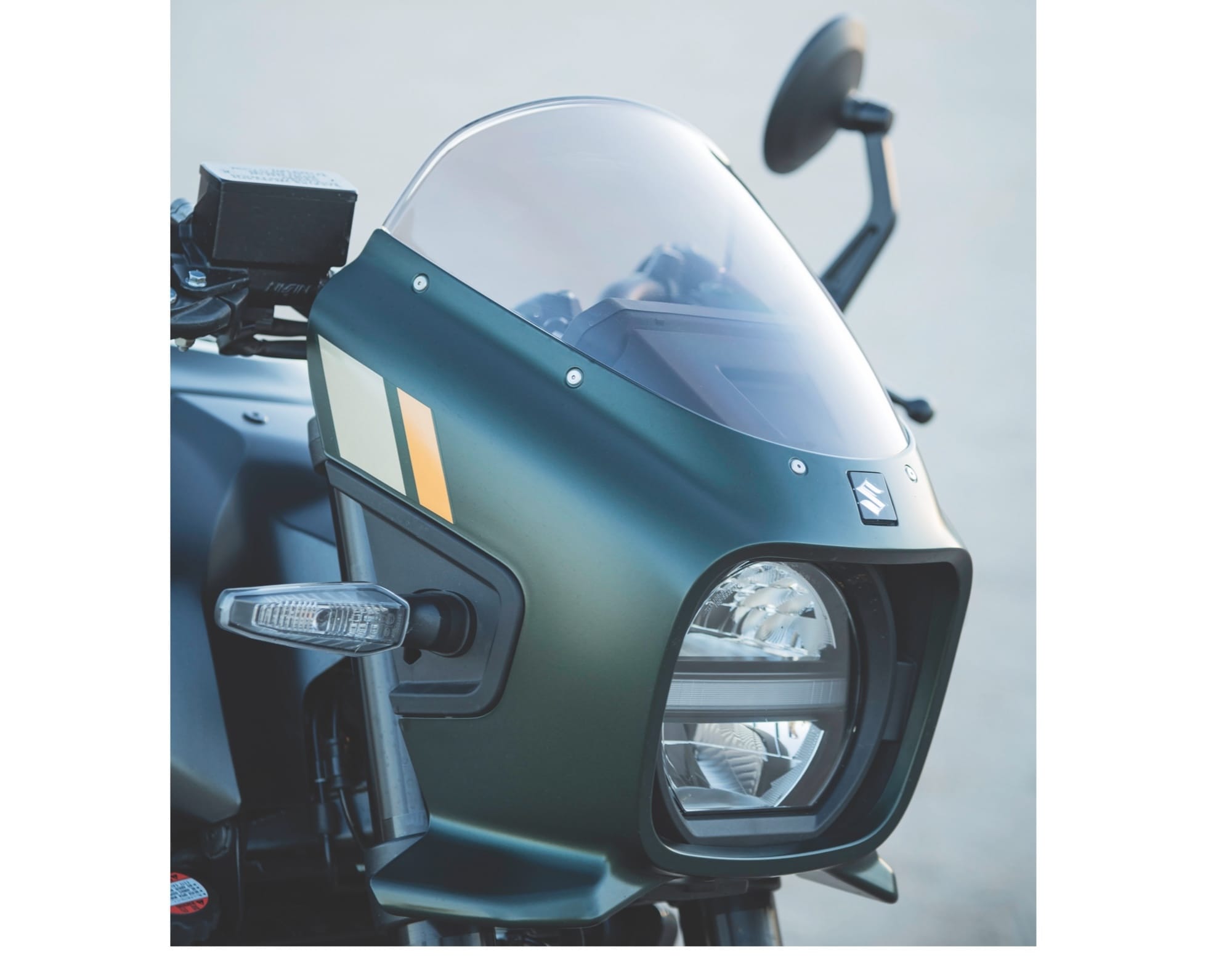
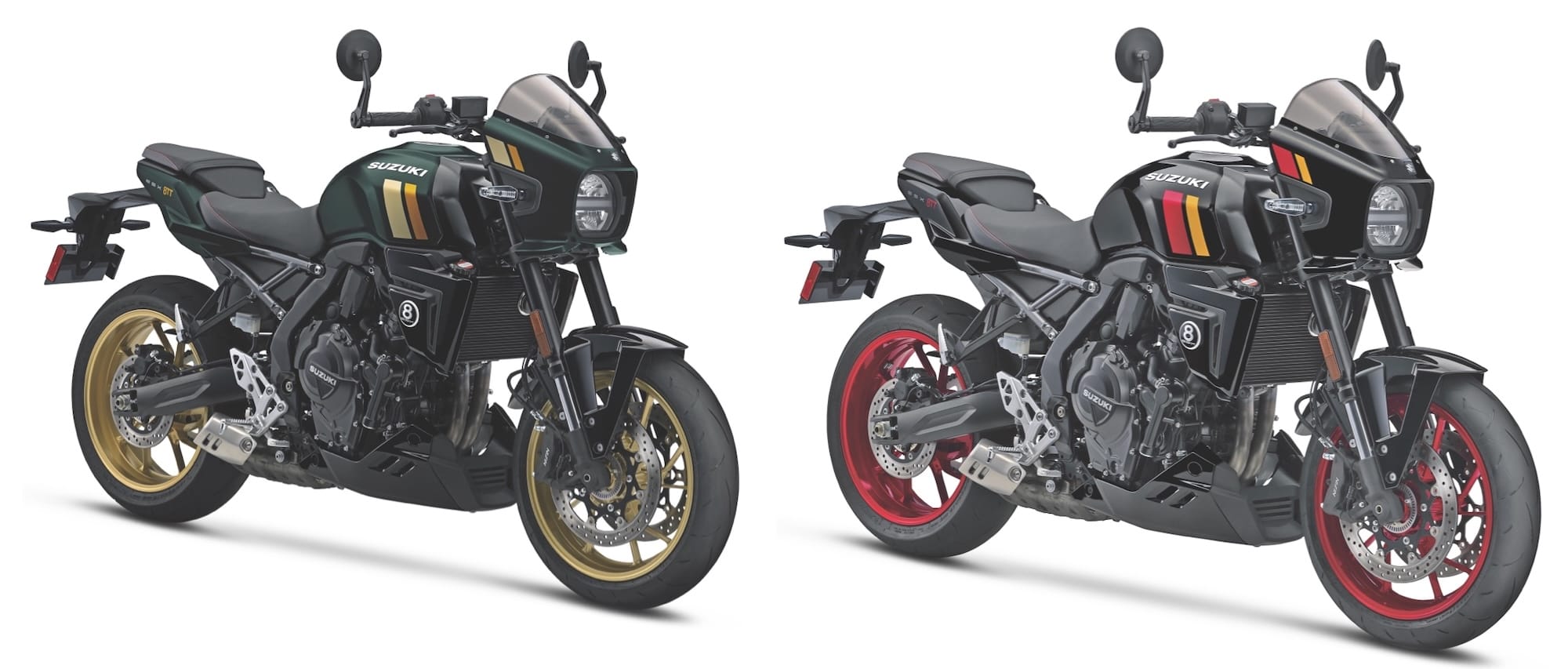
Suzuki seems to agree since the company hasn’t touched the pricing and seems content to let the naked S version remain the affordable option in the lineup, doing its thing and providing sales volume. In case you are wondering exactly what the differences are, the TT features a lithium-ion battery, lower cowl, bikini fairing, bigger fuel tank at 4.4 gallons, and bar-end mirrors. The riveted windshield on the fairing looks amazing, and the overall fit and finish are good. The TT is available in two colorways with retro stripes and contrasting mag wheels, but unfortunately no Wes Cooley blue and white livery. Hopefully, Suzuki is saving that for a future retro liter bike.
In the U.S., particularly for riders of a certain age, nostalgia speaks when buying a motorcycle. At the end of the day, we must confess that a motorcycle purchase is always an emotional decision, or we’d all be riding Honda NC750s. Case in point, Harley-Davidson—while currently on the struggle bus—is the ultimate “nostalgia trumps value” exercise and still dominates the total number of bikes out on U.S. roads.
The 800 Twin
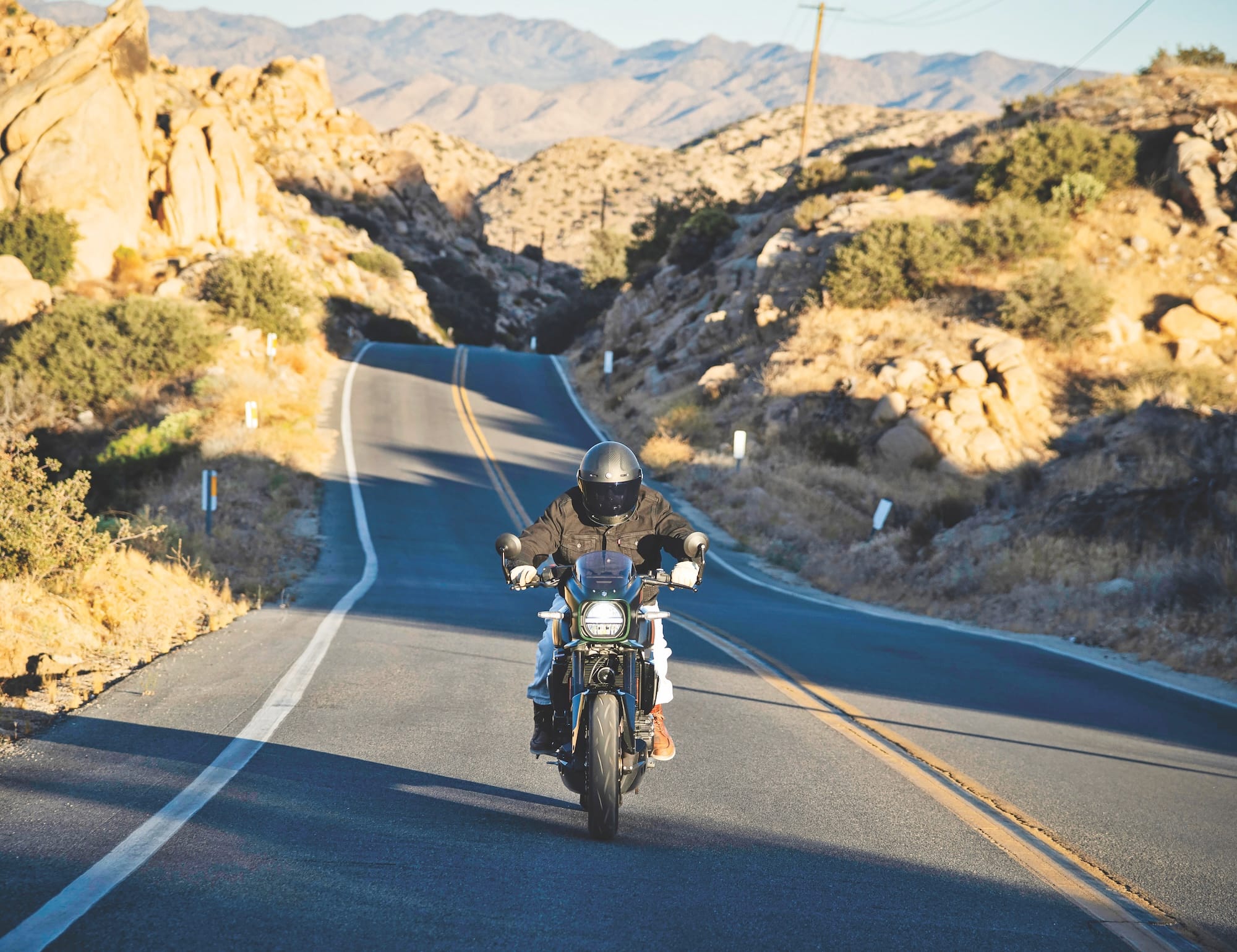
The TT is running the same proven 776cc, 270-degree crank, parallel-twin powerplant as the newer V-Strom 800, the fully faired GSX-8R, and the naked GSX-8S. The engine was smooth, vibration-free, and pulled wonderfully through the mid-range, where you are more likely to be during day-to-day riding. The first valve adjustment is due at 15,000 miles. The six-speed transmission was also buttery smooth with a bidirectional quickshifter that snicked pleasantly through the gears. Clutch pull was light with a predictable friction zone.
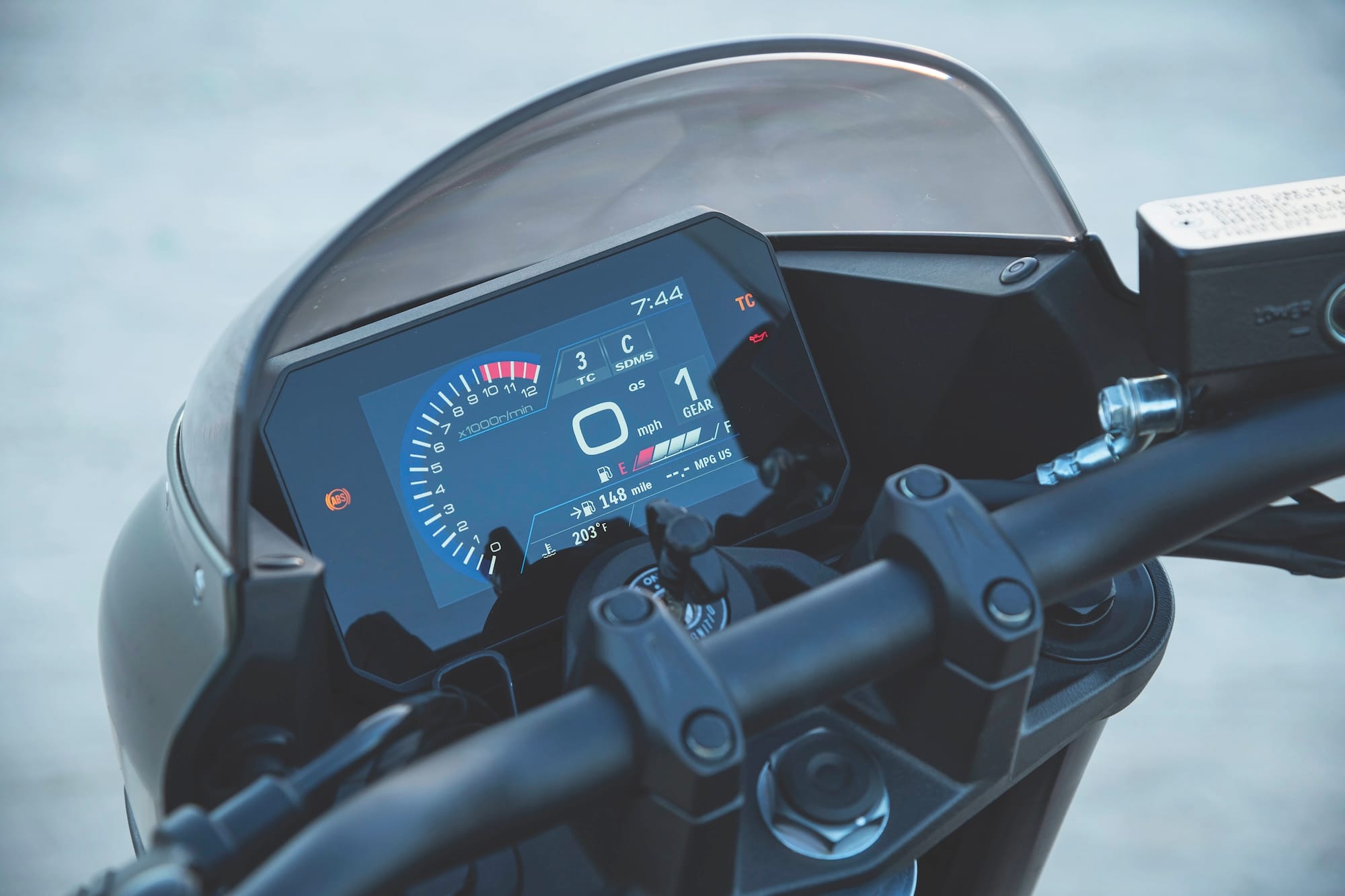
The electronics are sparse, which riders attracted to this bike will likely appreciate. There is always-on ABS, three levels of traction control, and three ride modes managing throttle response. The TFT display includes important details such as a clock, fuel gauge, tach, and a handy estimated fuel range.
Suspension and Handling
The GSX-8TT is equipped with a non-adjustable Showa fork and a rear shock with preload and rebound adjustment only. The setup was very “mama bear:” firm enough but not bone-rattlingly track firm like on some sportbikes. The fork was excellent, with well-controlled dive under sportier braking. Aggressive sport riders will probably want to upgrade the rear shock to a nice adjustable unit. Average Joes like myself will have no problem with the stock unit other than the usual PITA preload adjustment process. The bike’s suspension is set up for real-world riding and would be easy to live with for touring or commuting.
The geometry of the GSX-8TT is identical to the naked S model, with the same rake, trail, and wheelbase. I wouldn’t describe the handling as flickable, but it strikes a splendid balance between sportiness and stability with neutral cornering. The geometry works well for canyon carving, but it was more fun on sweeping roads than in supermoto-tight canyons.
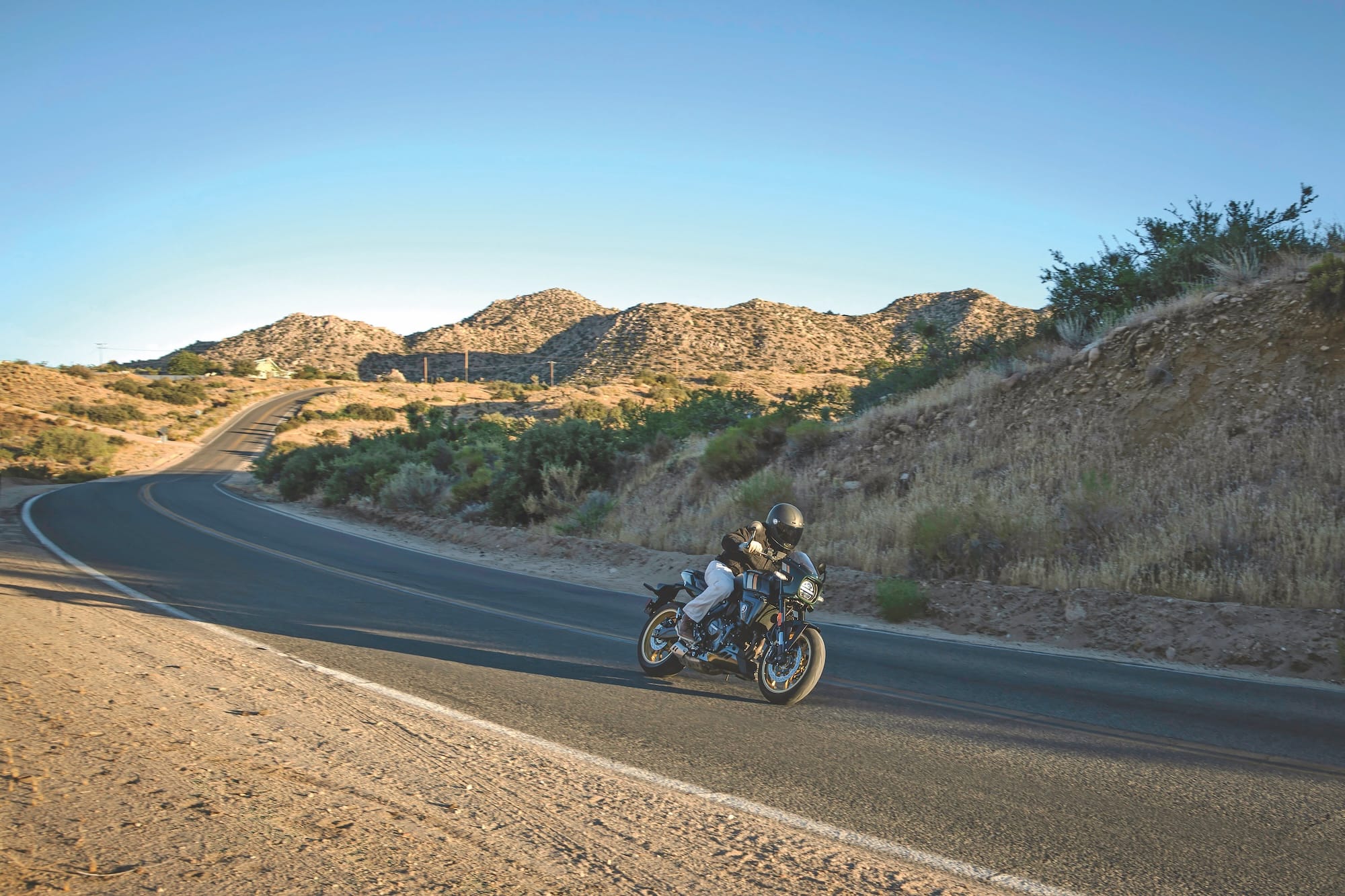
While technically only a few inches above your knuckles in height, the windscreen did keep windblast off my torso with my 5-foot-8-inch height. Most importantly, the air flowed across my helmet sans buffeting. The seat is wide and comfortable. The rider triangle provides good legroom, a non-straining knee bend, and an ideal amount of slight forward lean. The LED headlight has good power and an even pattern.
New Bike, Who ‘Dis?
The GSX-8TT would be a great choice as a non-threatening, age-appropriate sportbike for the nostalgia-motivated reentry rider. It would also be a solid pick for a rider with a single-bike garage. Urban riders could easily use the TT for commuting, weekend canyon day rides, and even touring. Put on some braided steel brake lines and a Veridian cruise control, throw a horseshoe bag over the back, and go.
Between the quickshifter, cushy seat, adequate wind protection, and the relatively compliant suspension, the TT could lay down some decent miles in style and comfort. Its potential versatility speaks to the whole package that the bike delivers, reminiscent of the UJMs of the 1980s. And those overlooked best friend sweethearts from rom-coms. Riders definitely shouldn’t be sleeping on this bike over its $1,900 cool delivery fee.
Technical Specs
+retro cool factor, approachable performance, versatility
–cool isn’t free
Distributor: Suzuki
MSRP: $11,149
Engine: liquid-cooled, 270°, parallel-twin, 4-stroke, DOHC
Displacement: 776cc
Power: 81.8hp @8,500rpm; 57.5lb-ft @6,800 rpm
Transmission: 6-speed, bidirectional quickshifter, chain final drive
Rake/Trail: 25°/4.1in
Weight (wet): 448lbs
Seat Height: 31.9in
Fuel Capacity: 4.4gal
Colors: Pearl Matte Shadow Green, Glass Sparkle Black