Riding Through Time: The History of Route 66
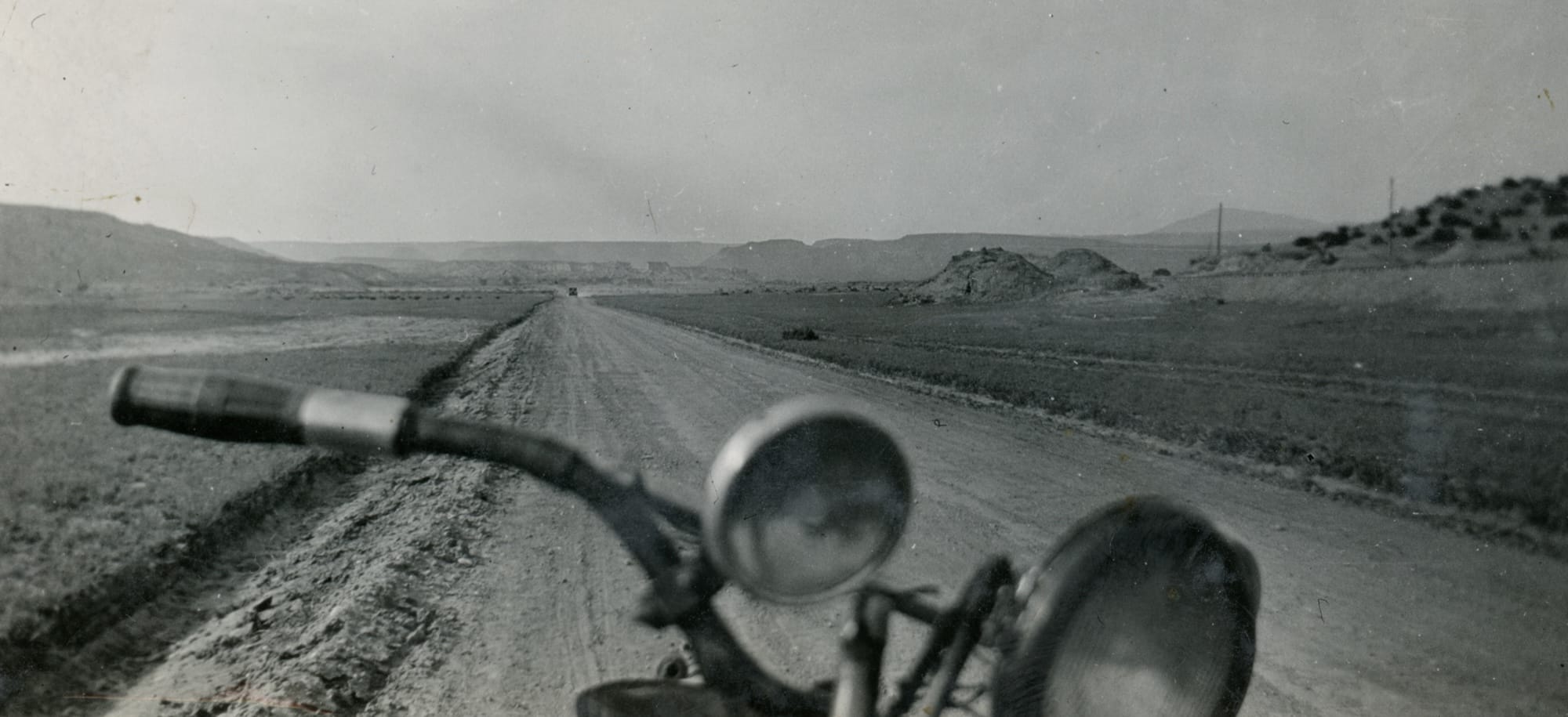
No road in America is more famous than Route 66. Even if you’ve never set a tire or foot on it, you know the name. It conjures up images of neon signs, roadside diners, family vacations in big-finned Chevys, and motorcycle riders chasing a low sun on the horizon. But beyond the pop-culture glitter lies a deeper history—a story of resilience, decline, and revival that reflects America itself.
The Birth of the Mother Road
The 1920s were a turning point for transportation. Automobiles were becoming part of everyday American life. But they faced an underdeveloped road system still stuck in a time of horse-drawn wagons. Outside of cities, most “highways” were little more than rutted dirt tracks that turned impassable in bad weather.
Enter Cyrus Avery of Tulsa, OK. Avery is often called the “Father of Route 66.” He recognized the need for a proper national road system and lobbied hard for a highway stretching from Chicago to Los Angeles. He wanted to knit together the heart of America, making coast-to-coast travel more accessible and efficient. That, and the proposed cross-country highway alignment just happened to run right by the early motel he owned.
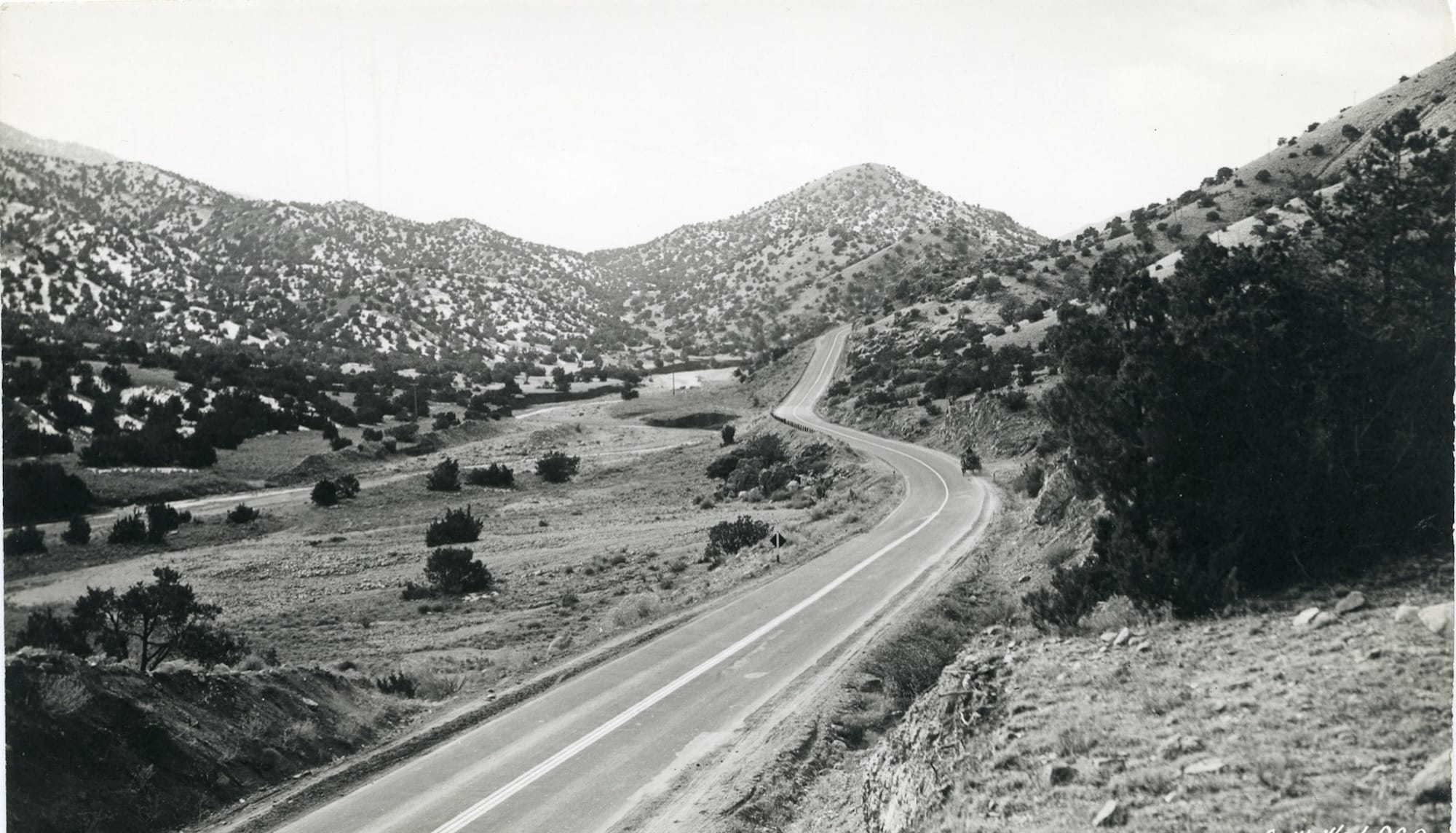
The road was officially commissioned in 1926 as part of the new U.S. Highway System, and construction began immediately. While most of the roads that became Route 66 already existed, they were little more than gravel, dirt, or patchwork pavement. Avery’s idea was to designate and pave a single, reliable avenue across the country. The proposed route was 2,448 miles long.
Each of the eight states along the route was responsible for paving their own section of the highway. With the help of the U.S. Highway 66 Association, which provided funding for the project, it ultimately took 12 years to complete. In 1938, the final stretch was paved.