Best Motorcycle Tours of 2025
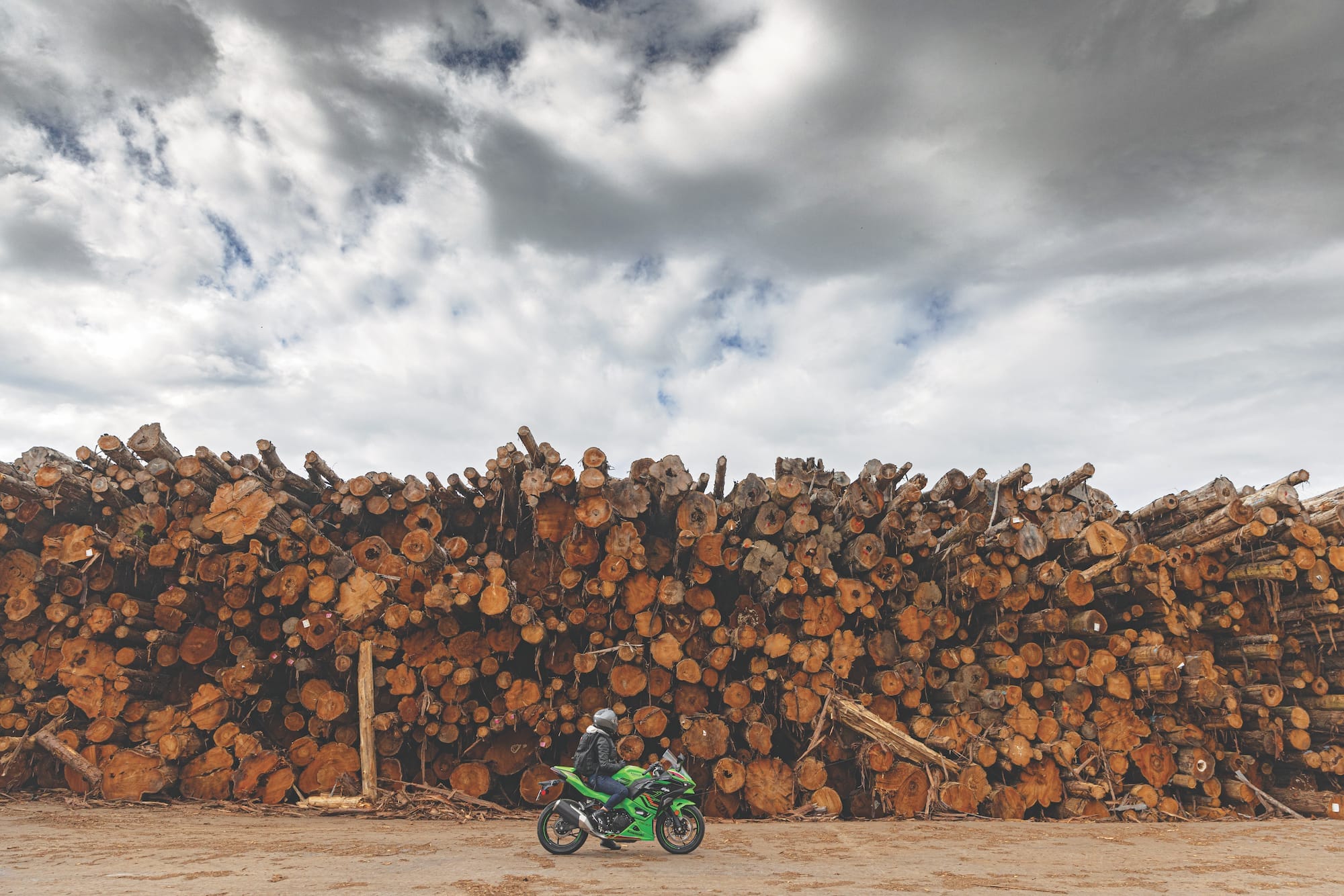
How do you pick the standout rides from a year packed with incredible tours? It’s a bit like trying to choose which road you loved most on a perfect day in the saddle. Every one of them had a moment that made you grin inside your helmet.
Was it the views? The storytelling? The unexpected twist that turned a good ride into a great one? Honestly… yes. After shuffling through a year’s worth of unforgettable miles, this collection rose to the top for all the right reasons.
—Marisa McInturff, Managing Editor

The Great American Road Trip: A Journey Along Route 66
In The Great American Road Trip, RoadRUNNER’s three-part Route 66 series, we rode from Chicago to Santa Monica to trace not just the highway’s cracked pavement, but the beating heart of America’s legendary highway. Over two weeks and 2,448 miles, we encountered dusty diners, neon-lit motels, freight trains, and locals who still live and breathe Route 66. Across history and open road, this journey became our biggest and most meaningful story of the year.
Central California: Around The World In Five Days
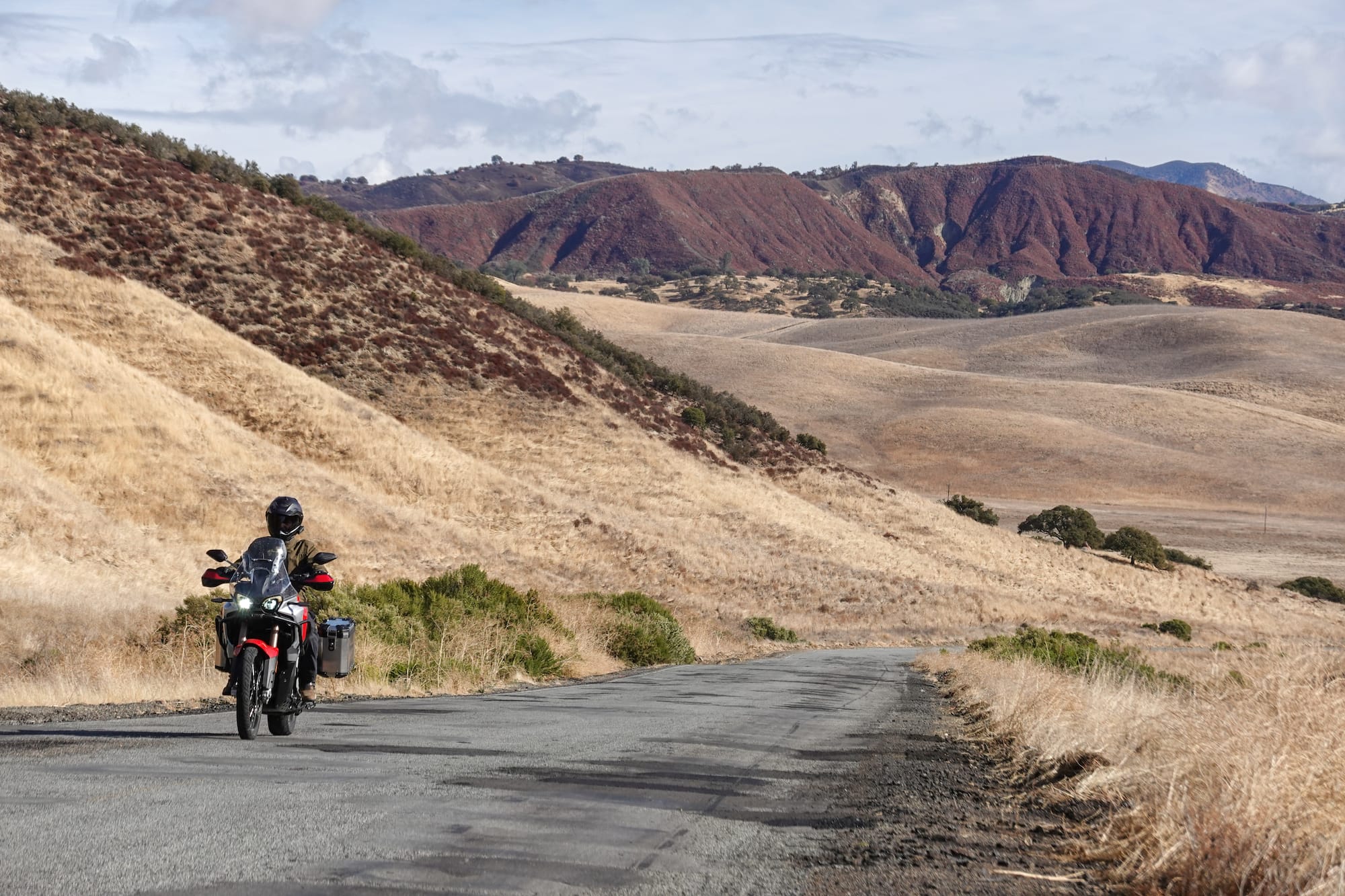
Somewhere in Hollywood, buried under a pile of discarded relics from the silent film era, is a location scouting map of California. Like a geographical butcher’s chart, the state is carved up into various portions that can mimic nearly any place on Earth.
Here, you can find everything from ocean to desert, snow-capped mountains, and people dressed up as Darth Vader popping into a coffee shop for a latte. This state has it all.
Some of the most picturesque, remote, and rugged terrain California has to offer is sandwiched between Los Angeles and San Francisco. “Rugged” sounds like an extreme word when describing a paved road, but the Golden State can be rough.
Baja California, Mexico: Sand, Sweat, and Stars
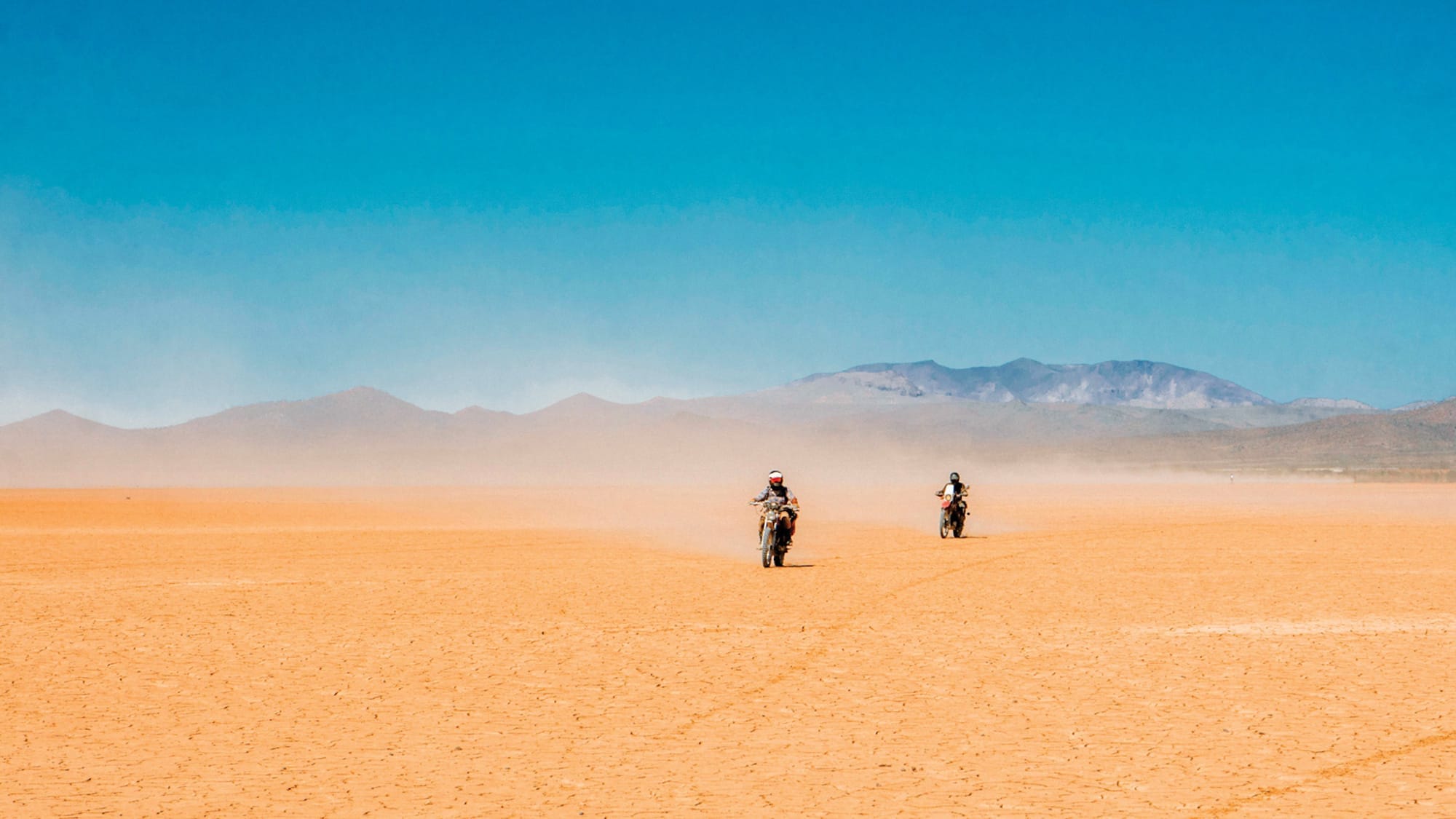
Baja. If you know, you know. The name alone feels legendary, carrying a certain mystery. For some, it represents a lifelong dream. For others, it’s an addiction. Some say it’s more than a place, that it’s a state of mind. Baja California, Mexico, is real, but the moment you set foot there, it’s almost impossible to believe.
The Baja California peninsula runs nearly 800 miles south from California into Mexico. This long stretch of desert divides the Pacific Ocean and the Gulf of California. It ranges in width from 30 miles at its narrowest to 200 at its widest. All told, Baja boasts nearly 2,000 miles of coastline. For most folks, it’s a forgotten corner of the world. But for riders, it’s the perfect location for an adventure.

Michigan: Six-times the Adventure
“Sorry, sorry, sorry…” I heard in my helmet. I tightened my grip on the bike with my thighs and pain shot through my shoulder as the ride got bumpier. Thanks to the endorphin spike, or my unhealthy sense of humor, I chuckled about the situations I tend to find myself in.
This time, I was on the backseat of a motorcycle piloted by Jeff Stanton as he ran slightly wide onto the shoulder of the road while trying to adjust his navigation. No doubt it was due to the additional heft my less-than-slight self had added to the bike. And then, as If I weren’t on the bike at all, with one hand he rode through the soft, sandy shoulder for a few hundred yards before finding the perfect place to hop back onto the pavement.
Colombia: A Hidden Treasure
It’s 2:15 a.m. and I’m dancing in the oldest salsa bar in Cartagena with a group of Colombians we met just a couple of hours ago. The music is fantastic, the atmosphere is joyful and the smiles on all our faces sum up just what an incredible, unexpected, and truly wonderful adventure we’ve been on.
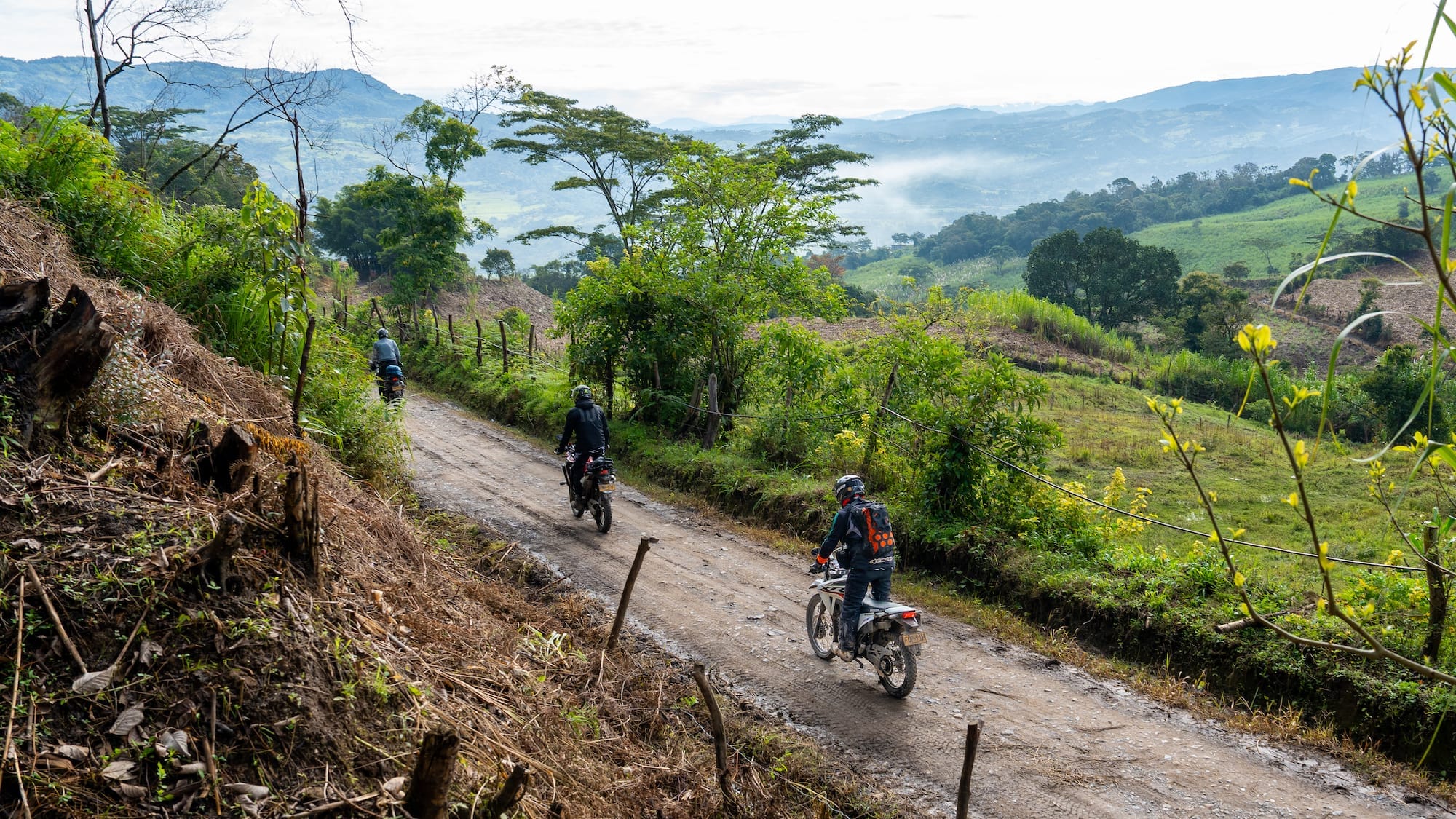
We’ve ridden 900 miles over 12 days on amazing trails and sinuous roads. We’d started in mountainous landscapes north of Bogota, dropped down through enormous river valleys and canyons to reach the hot and steamy forests before crossing wide tropical areas to reach the azure water of the Caribbean.
Proceeding through achingly beautiful colonial towns and villages, we’ve stayed at some truly unique hotels and dined like kings every single day. Colombia—we love you!
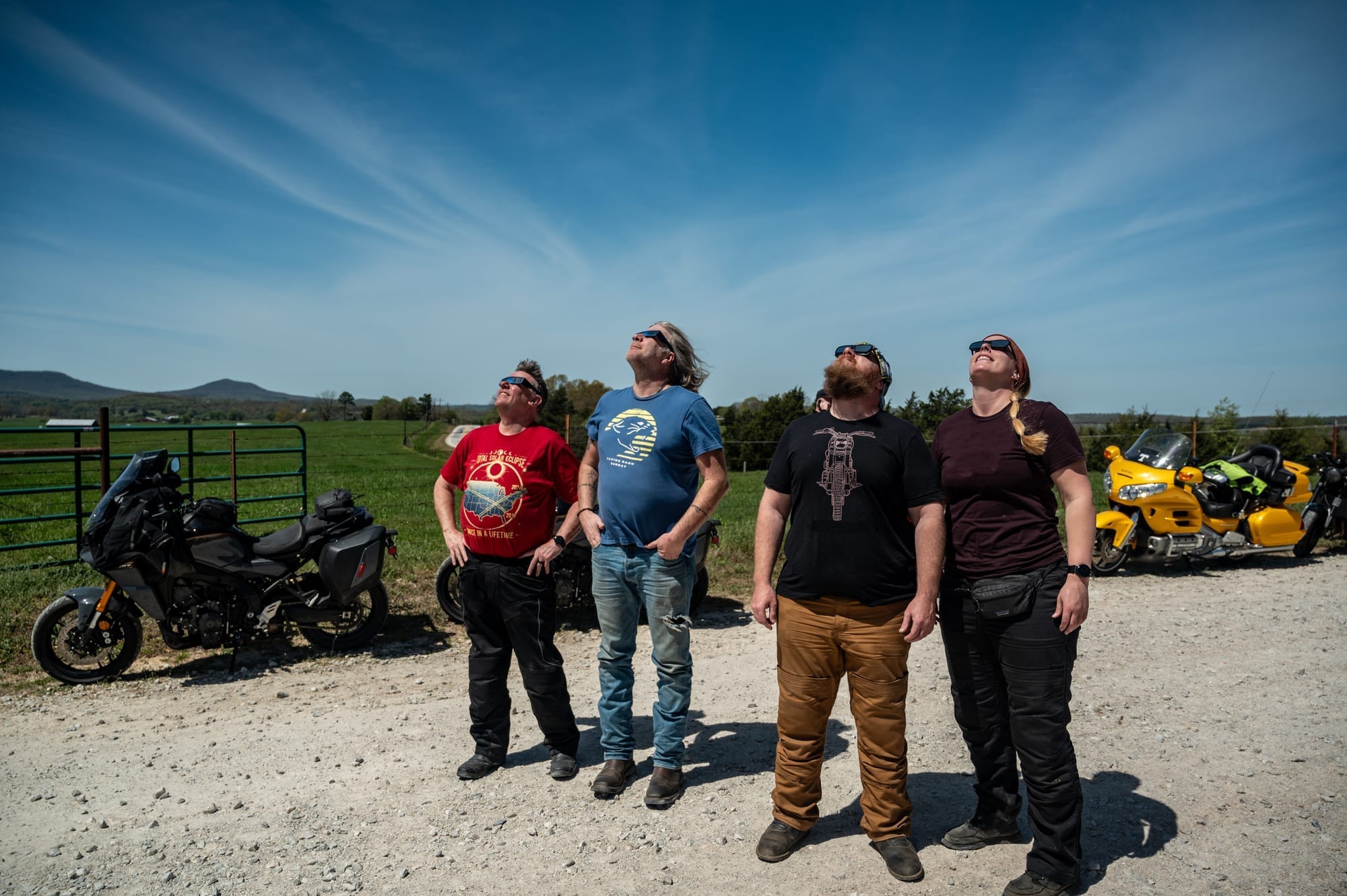
Arkansas: Total Eclipses
A total solar eclipse occurs somewhere every 18 months. Considering 70% of the earth is water, though, your chances of seeing one from dry land are pretty slim. You have to be in the right place at the right time. On top of that, you need favorable weather conditions, a clear sky, and ideally a 360-degree view of the horizon.
The contiguous U.S. experienced a total solar eclipse back in 2017, while the one before that happened in 1979. I was lucky enough to witness the 2017 eclipse from my home in Tennessee, where we experienced 55 seconds of totality. I was hooked.
Alvord Desert, Oregon: Blood, Sweat, and Gears
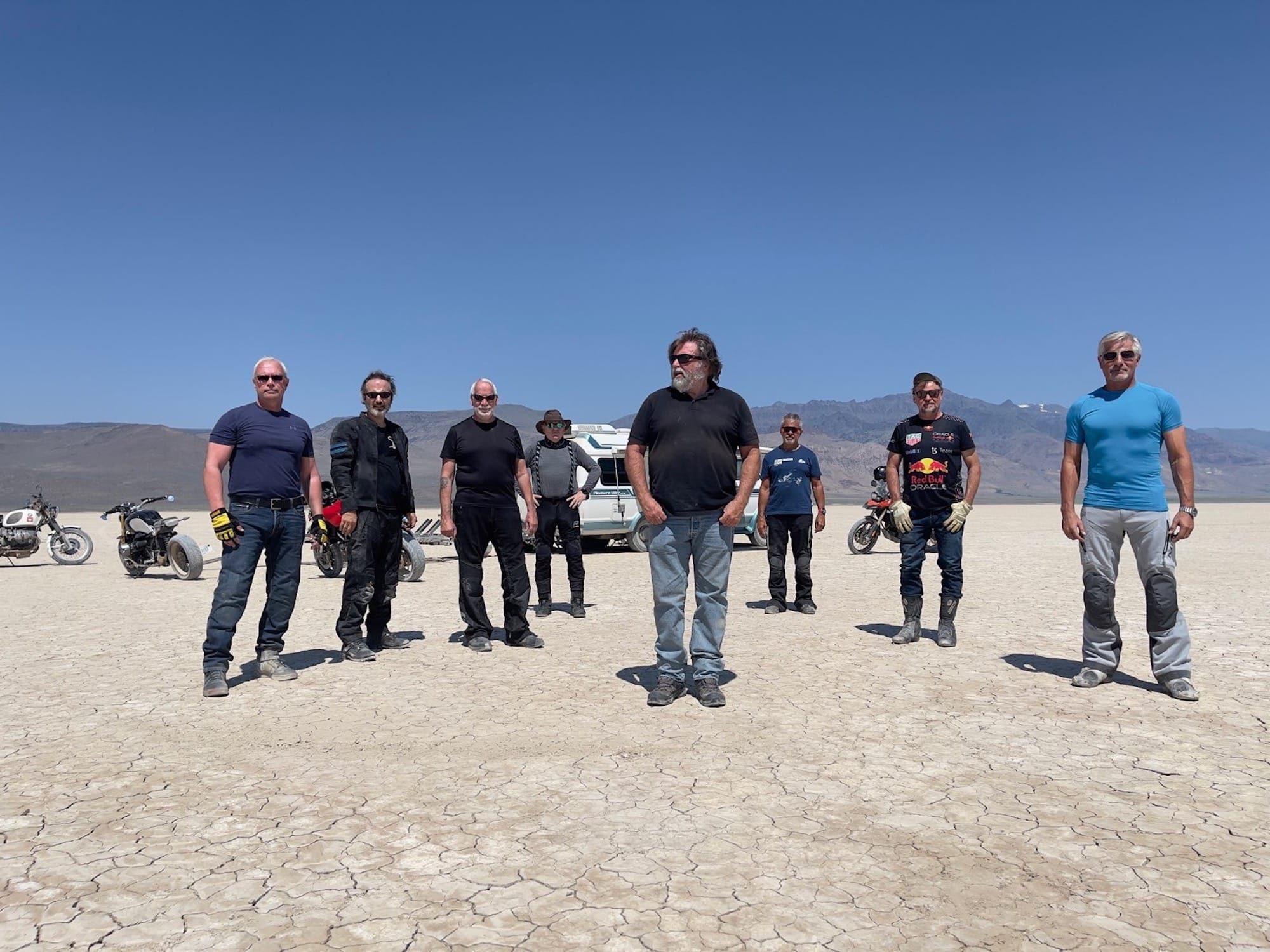
It wasn’t the sound of a Honda Africa Twin booming across the Alvord Desert in 103 degrees that got our attention. Nor was it the cloud of dust rising from the long, sweeping powerslides its rider was performing. It was the abrupt stop. The absolute silence. When the dust cleared, Rick was lying face down and he was not moving. The rear wheel of the Africa Twin spun slowly to a stop. All seven of us dropped our popsicles in the dust and ran to his aid.
If America has an equivalent to the Australian Outback, it is most certainly this part of southeastern Oregon. One year prior, an unnamed rider in our group was taking the long way home to Portland, OR, from the Bonneville Salt Flats. Okay, his name is Steve. His journey took him through Denio Junction, NV, and he stumbled across the Alvord Desert. It was mid-September and he was riding alone. Smitten with the landscape, he thought to himself: “I wish our whole group could experience this together!” So, he sent us plans for next year’s trip and, by April, we were all in.
Portland, Oregon Shamrock Tour®
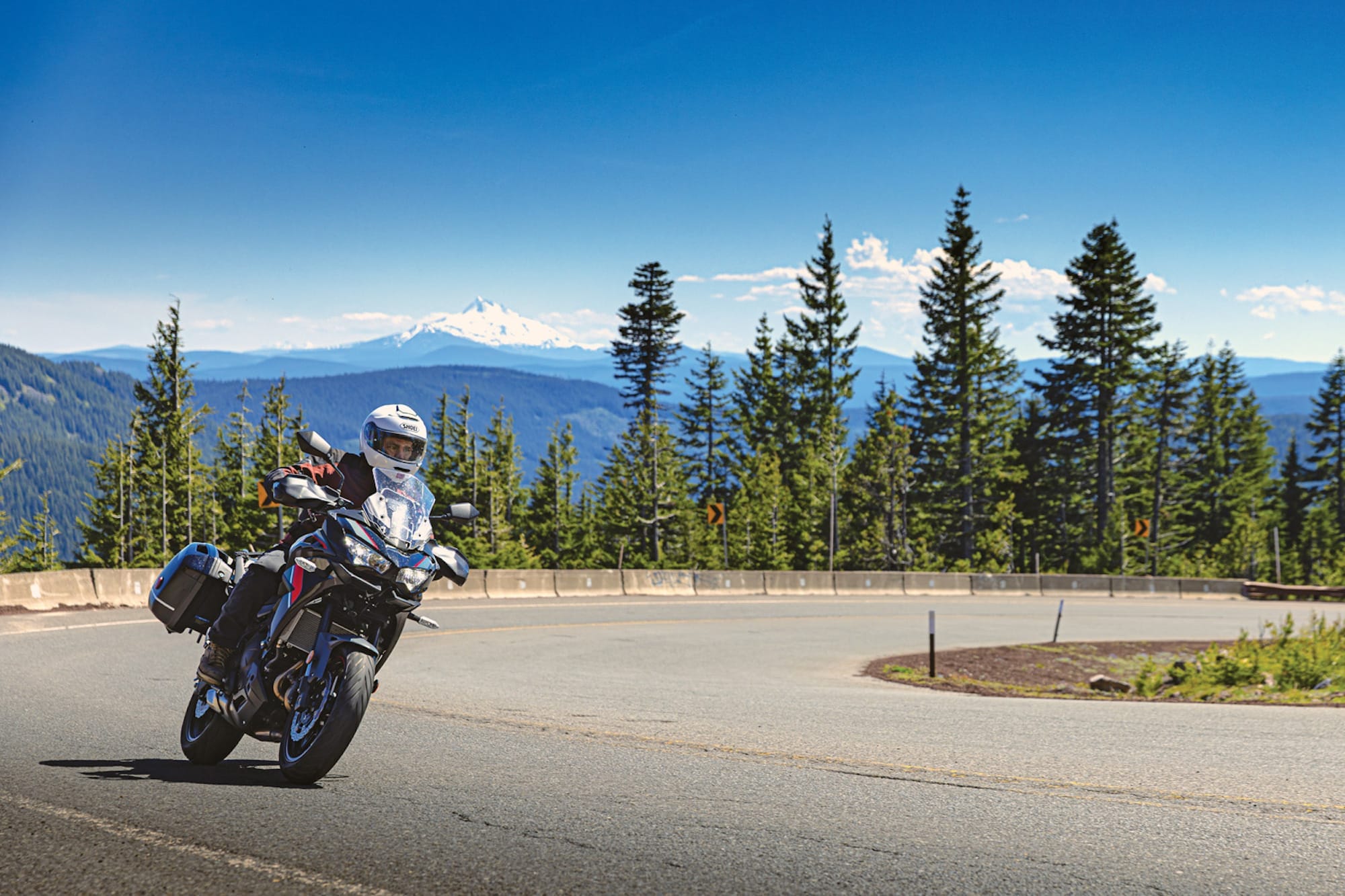
Birds aren’t real, the sticker on the back of the Subaru suggested. The faded green Outback was parked next to my 2025 Kawasaki Versys 650 LT outside the Evergreen Aviation and Space Museum in McMinnville, OR. The sticker was somehow appropriate, as we had come all this way to see the biggest bird of them all: the Spruce Goose.
Resting comfortably inside a purpose-built glass and steel structure, Howard Hughes’ creation stretched out across the room. The plane towers over you like an apartment building at 80 feet tall and with a 320-foot wingspan (although it’s been shortened to fit the plane in the museum). Officially known as the H-4 Hercules, it was built during World War II, but didn’t make its inaugural flight until November 1947. Hughes built the H-4 hoping to transport troops across the Atlantic, but myriad problems prevented the “heavy transport flying boat” from fulfilling its destiny.It flew once, in the final months of 1947—70 feet off the water, at 135 mph, for 26 seconds.