Nevada: Exploring the Pony Express Trail

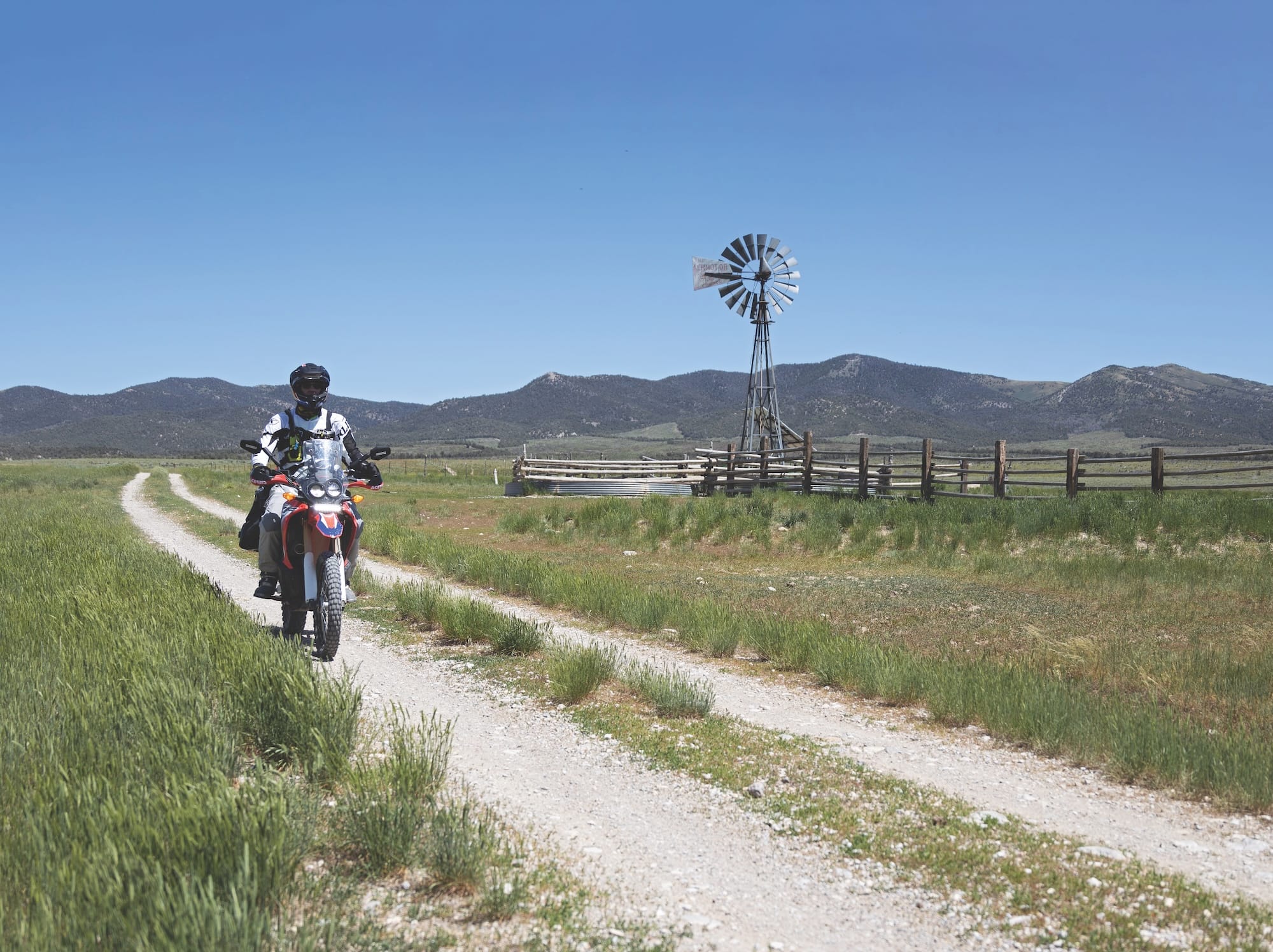
The Great Basin spans most of Nevada, western Utah, southeast Oregon, southern California, and a small part of Idaho. From 13,000 to 30,000 years ago during the last ice age, this area was covered by up to 1,000 feet of water as part of Lake Bonneville. Today, the arid rangeland and mountain ranges provide remote motorcycling opportunities full of history and enough dirt roads to clog any air filter.
My good friend, John, joined me on this trip. His 1994 Honda XL250 and my 2017 Honda CRF250L Rally burbled to life and we headed west to Ely, NV, home to the Nevada Northern Railway. The railroad was incorporated in 1905, connecting the copper mines south of Ely to the Southern Pacific Railroad transfer point at Wells, NV. When the need to transport ore by rail ended, ownership of the railroad transferred in 1985 to the newly formed Nevada Northern Railway Museum. Passenger excursions began in 1987 in both steam and diesel locomotives. After departing the train depot, the ride through downtown Ely was like a time vortex, including the 1920s-era Hotel Nevada and roadside motels from the 1940s and '50s, all remarkably intact and still being used.
Turning southeast on SR 318 took us to Preston, a farming and ranching community settled by Mormons in the late 1870s. John’s Honda liked Preston and didn’t want to start. After some gentle tapping on the carburetor and a push, it sputtered to life and we resumed our ride south toward the mountains to cross the Egan Range. While taking photos, a rancher in a side-by-side stopped to check on us and let us know that the summit was snow-free. She’d been placing water for her dogs before running several hundred heads of cattle to their summer grazing pastures. The road to the pass at 8,400 feet was just technical enough to keep us focused with washouts, protruding rocks, and just a touch of soft sand leading to a nice summit.
Motorcycles & Gear
2017 Honda CRF250L Rally
1994 Honda XL250
Helmet: Schuberth E1, Arai XD-4
Pants: Klim Dakar
Jacket: Aerostich Darien
Boots: Sidi Crossfire
Gloves: Klim Dakar
Luggage: Wolfman
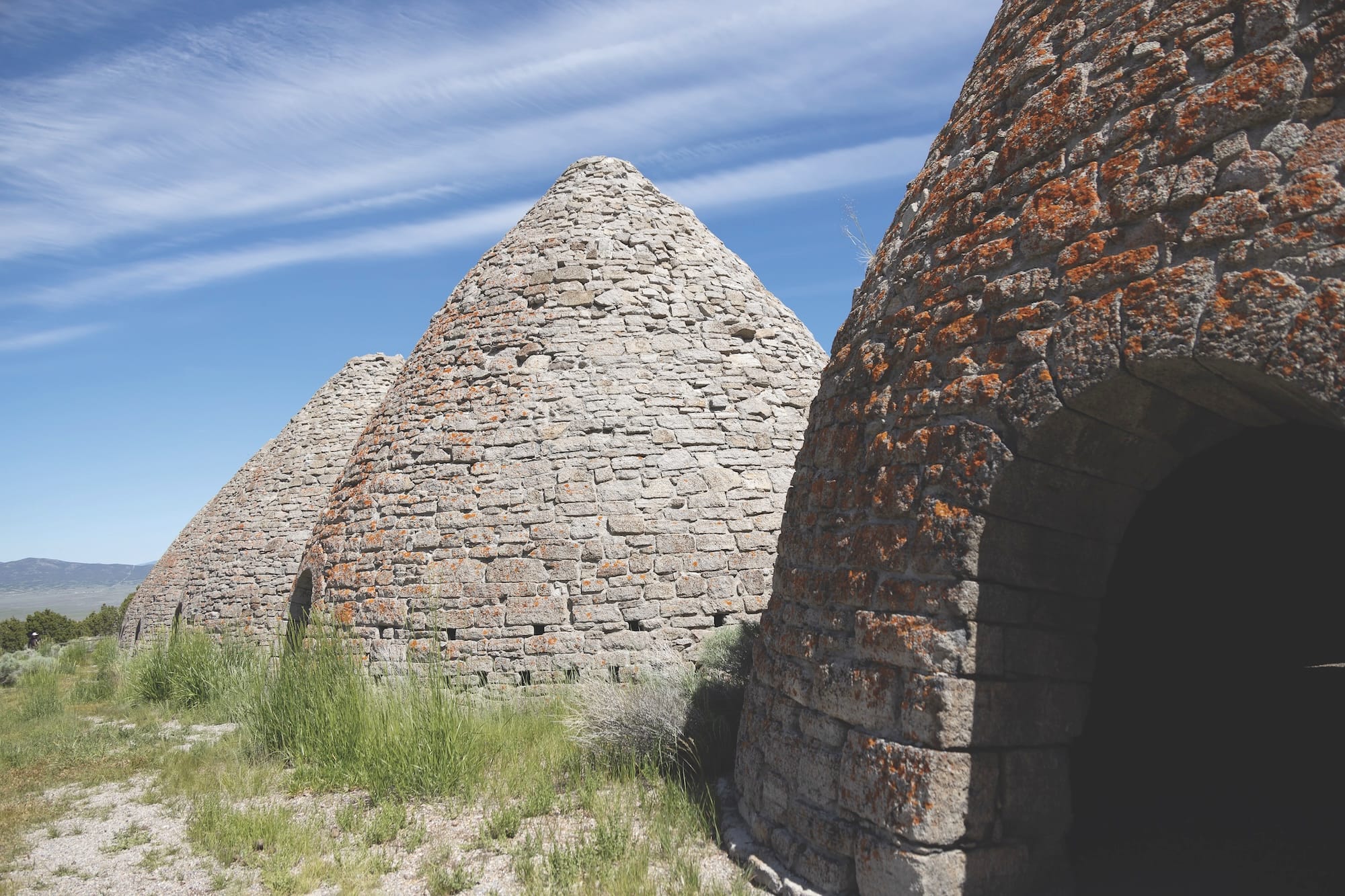
What goes up must come down and, for us, it was a fun rolling descent to the valley floor and east toward Ward State Park where more mining history awaited in the form of six beehive-shaped charcoal ovens. Constructed between 1875 and 1879, the ovens were used to burn wood, creating charcoal for silver ore processing. As ore and timber supplies dwindled, oven use declined.