Illinois Route 66
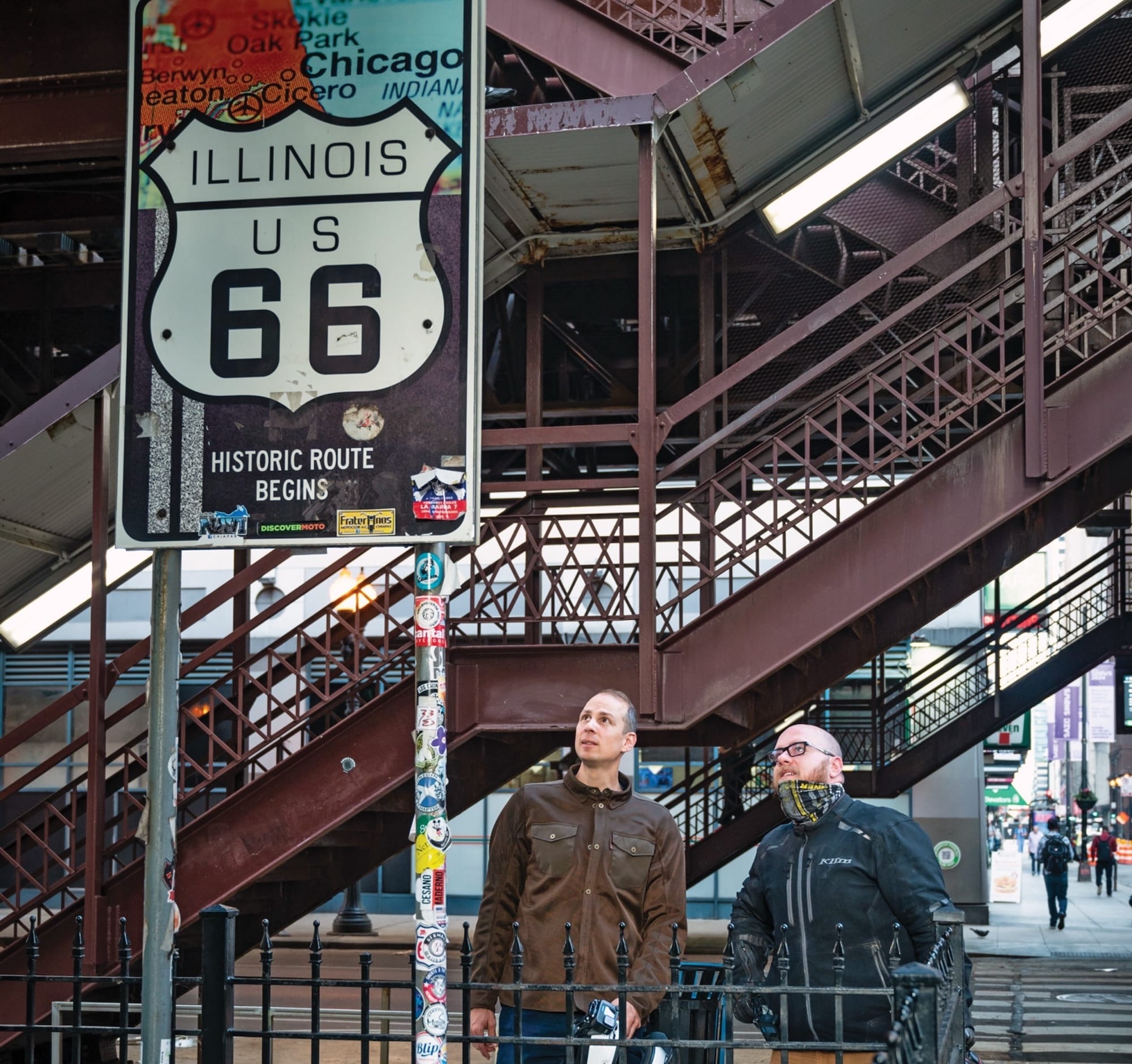
Route 66 Begins
Illinois holds a special status as Route 66’s official starting point. The journey begins at the corner of Adams St and Michigan Ave in downtown Chicago, where you’ll find the iconic Begin Route 66 sign. From there, the road stretches southwest across 300 miles of prairie and small-town America, ending at the Mississippi River in East St. Louis before continuing into Missouri.
Route 66 originally provided a vital link between the industrial Midwest and the West, fueling migration, trade, and travel. The flat farmlands of Illinois made it ideal for some of the earliest paved stretches of highway in the country.
Travelers today can expect a mix of urban energy and nostalgic Americana. Chicago offers a vibrant send-off, while towns like Joliet, Pontiac, Springfield, and Litchfield showcase restored murals, classic diners, and vintage gas stations. Historical landmarks, such as the Gemini Giant in Wilmington and the preserved section of original brick road near Auburn, capture the spirit of Route 66’s glory days.

When riding Illinois’ portion of Route 66, spending two to three days in the saddle is ideal. This pace allows time to enjoy museums and photo-worthy stops without rushing.
Illinois maintains detailed signage along several historical alignments of the Mother Road. Earlier ones take you through small town centers, whereas later alignments tend to bypass towns. We suggest taking the time to follow the original alignment, if possible.
Starting Route 66 in Chicago
Every great Route 66 journey begins in downtown Chicago, where the official Begin Route 66 sign marks the starting point of America’s most iconic highway. Located at the corner of Adams St and Michigan Ave across from the Art Institute of Chicago, the sign is a must-see photo stop before setting off on the Mother Road. Millions of travelers, from the 1920s through today, have stood at this very spot to capture the moment of departure.