Continental TKC80²— Performance On and Off the Road

It’s finally here. After some delays, including production setbacks and even a brand-new machine lost in a shipping container at sea, the second-generation TKC80² tire is available in most sizes. BMW fitments will arrive later.
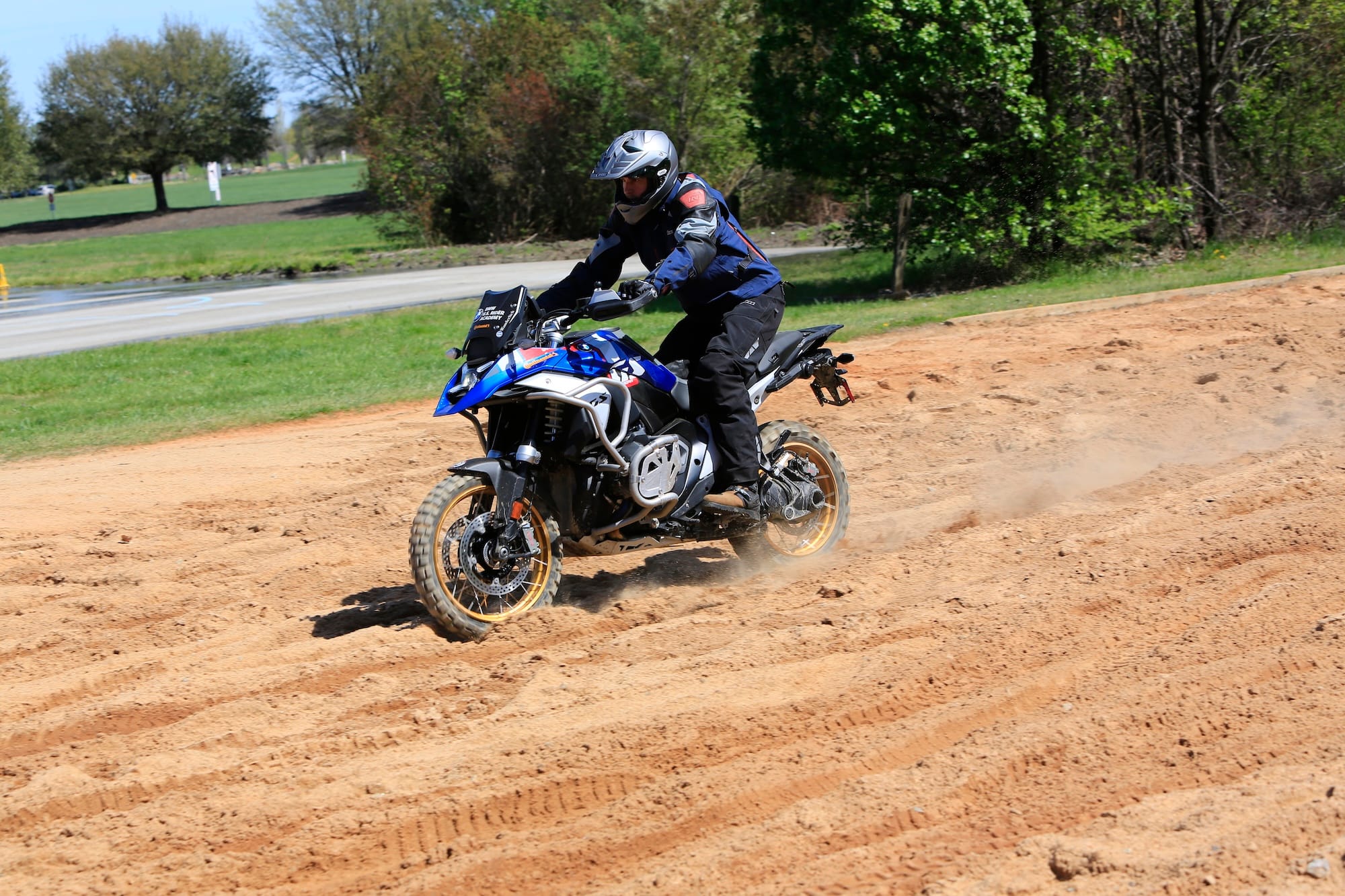
One of the most trusted dual sport tires got a significant update. I went down to the BMW Performance Center in South Carolina to test the new tire in the off-road practice area and the paved track. On the second day, a spirited ride took me to the southern Appalachian Mountains of northern Georgia.
Get a Grip
Modern ADV machines demand a lot from tires, and there’s always a compromise. We all want the most traction on various surfaces, in dry and wet conditions, and, of course, longevity. In reality, you have to make concessions in one of those categories.
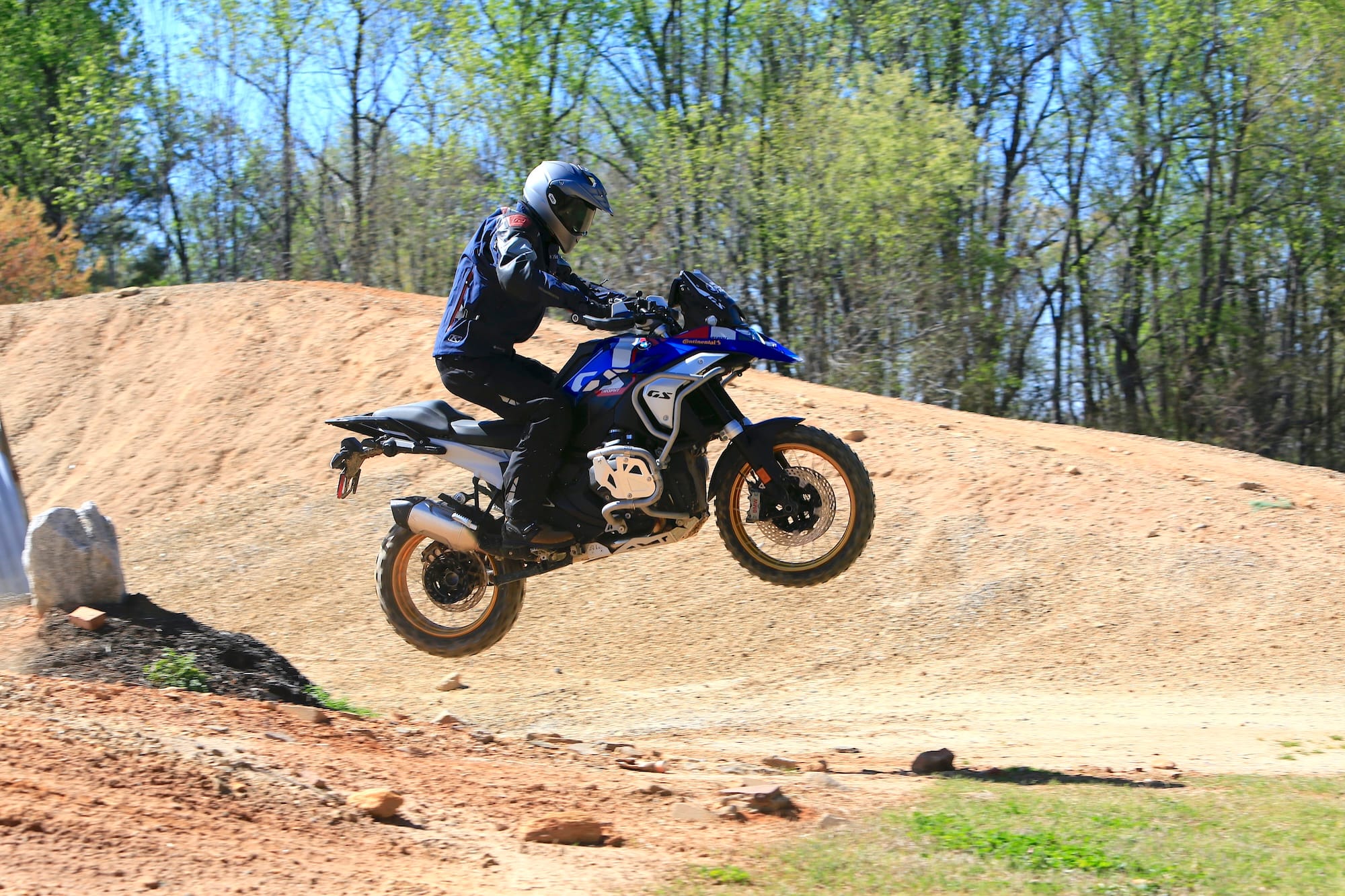
The 50/50 TKC80² tire claims to offer better grip, especially on wet roads; however, I wasn’t able to test that claim. During its initial testing, Conti says it achieved a 3.8-second improvement in its wet lap time. Quite impressive on paper. Dry grip has certainly improved, thanks to a new compound and tread pattern (more on that later).
During my second-day ride through the curves, I completely forgot that I was on a 50/50 tire. The BMW R 1300 GS I was riding rolled smoothly across the pavement and transitioned without fuss from apex to apex. I throttled hard out of corners without losing traction. Whether trail braking or pushing the bike hard and deep, I didn’t feel a wiggle or slip.
New Tread Pattern
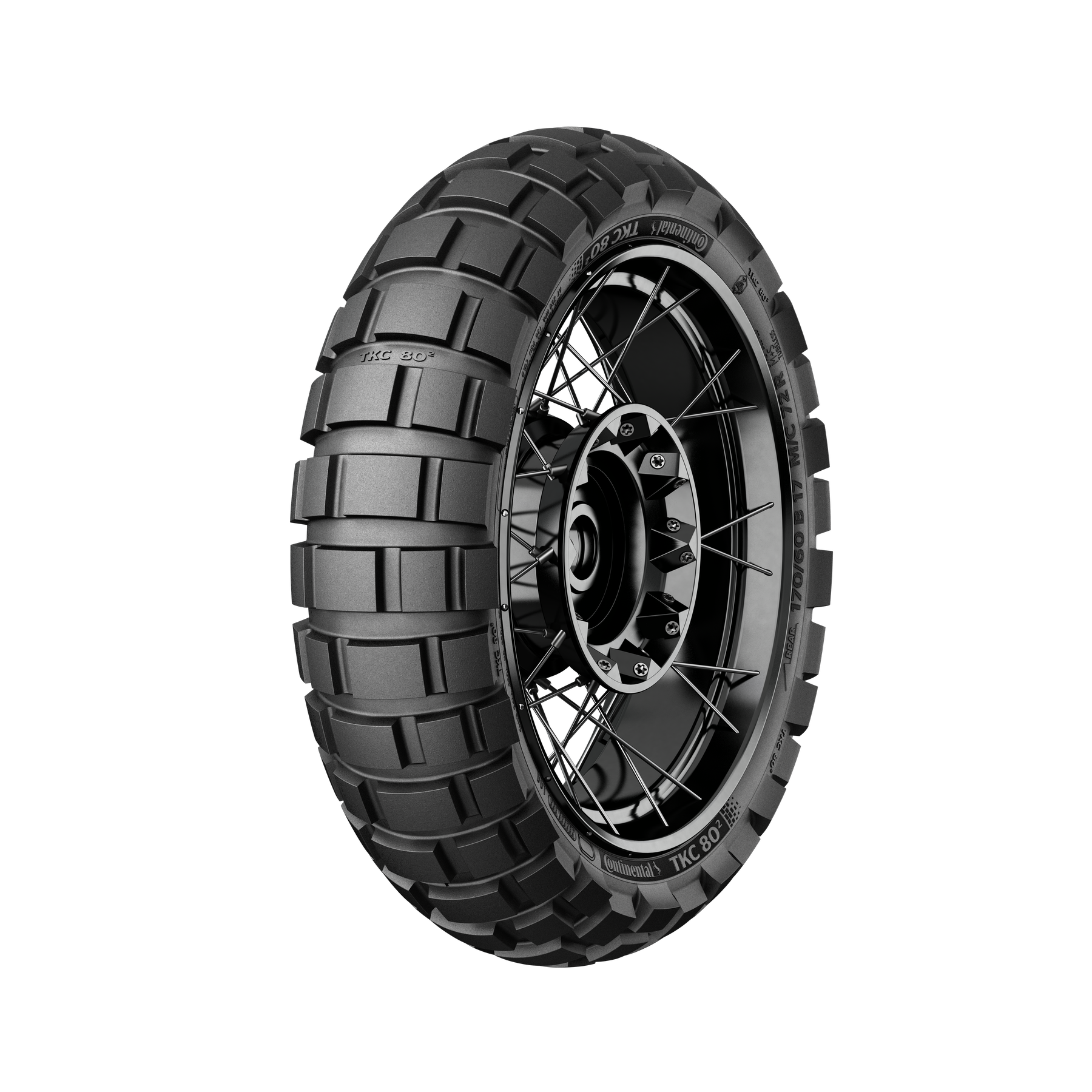
Looking at the first- and second-generation TKC80s side by side, it’s easy to spot the new tread pattern. The first-gen tire features a symmetrical design where every second row has a gap, while in the new tire it is asymmetrical. Each row has a longer block, staggered left and right. This makes the edges of each row longer and equal in length, improving traction and off-road performance. The pattern gives the tire a claimed 17% larger footprint. In softer conditions, more edges contact the ground, leading to better grip.
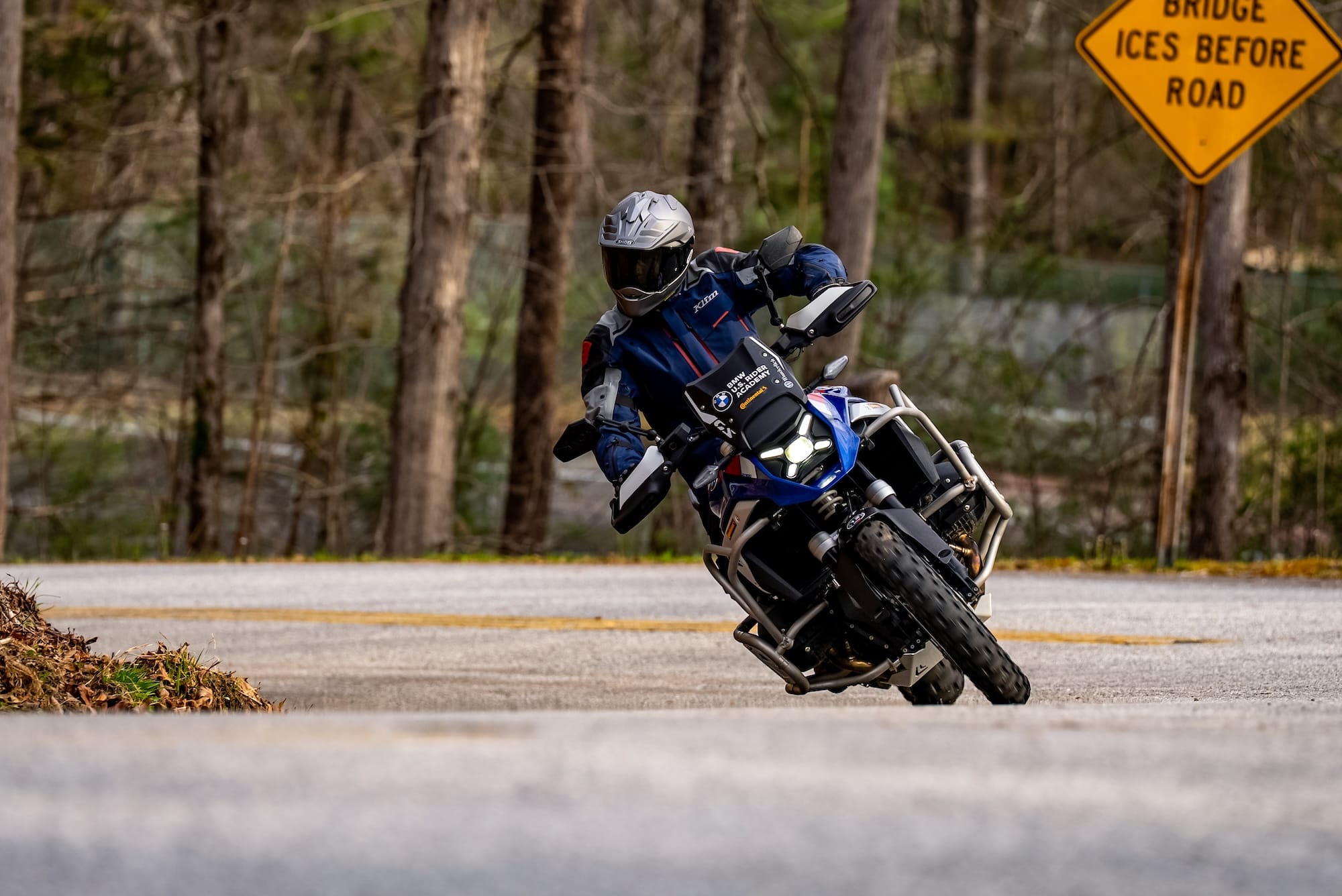
With near-perfect riding conditions, I encountered every type of surface at the Performance Center. The sandpit wasn’t very deep, and the gravel pit was manageable. Keeping on the throttle allowed the GS, shod with the new Contis, to plow through every obstacle.
The German tire company added rubber on the sides for more grip when riding on slopes and when pitching it into corners. I thoroughly enjoyed how stable the bike felt, and my pace proved it. The first-gen TKC80 requires a little more correction when going through off-road corners, whereas the second-gen model holds the line steadily.
What else is new? Thicker rubber should prevent punctures, an improved bead structure seals better for constant tire pressure, and there’s less road noise.
Now you know this is a performance-oriented tire. If you’re a rider who values traction on various surfaces, this is your rubber. Although my test couldn’t evaluate longevity, it’s safe to say the TKC80² will wear out quicker than others. I’d rather have a more spirited ride with pricier rubber, though, than worry about losing traction on a cheaper and longer-lasting tire.
Oh, and good news for the original TKC80’s fans: the first-gen tire will remain in the lineup at discounted prices.
Continental TKC80²
Front: $209.95-$319.95
Rear: $245.95-$389.95