Small Girls On Big Bikes

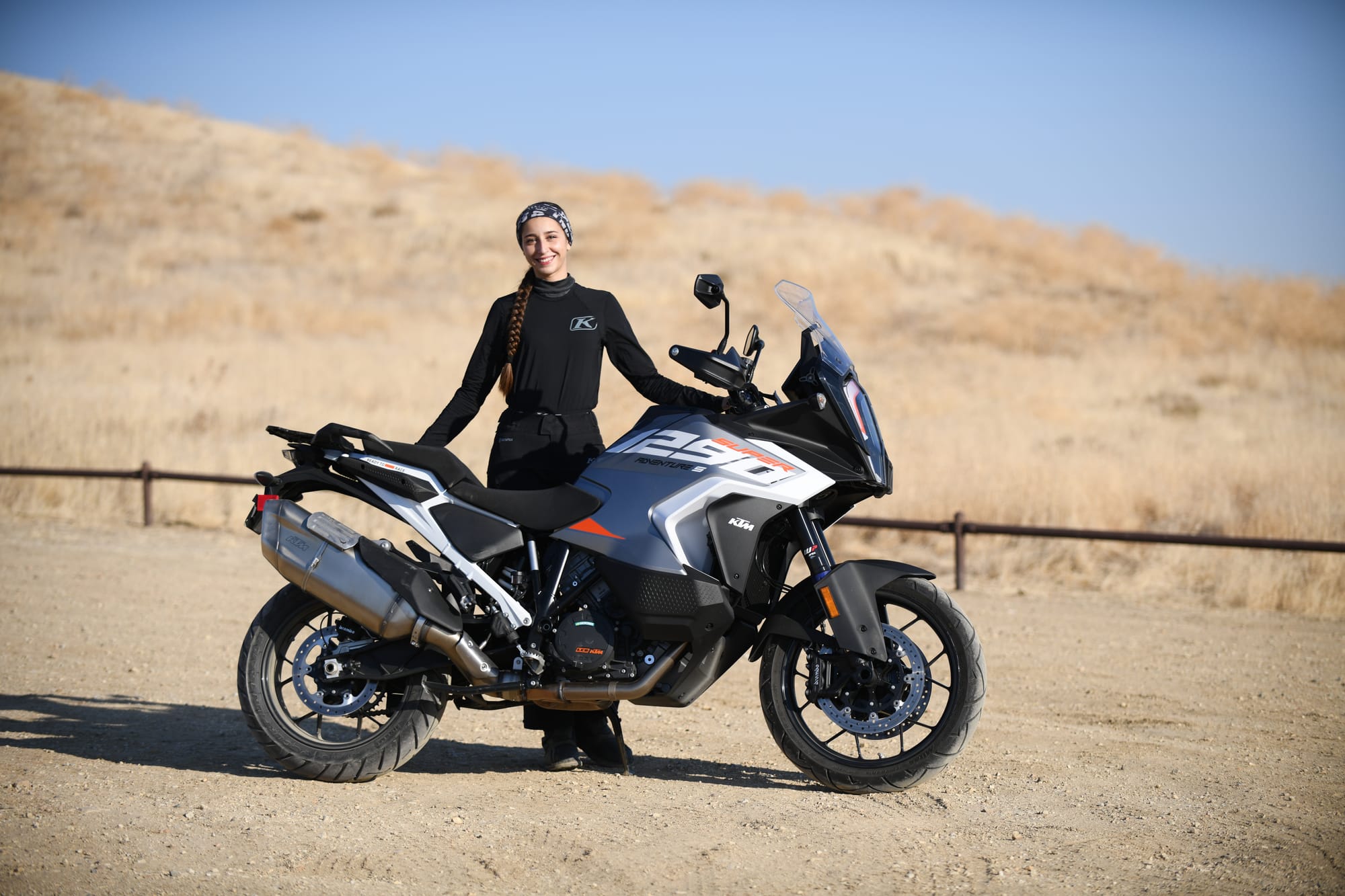
When I started riding motorcycles, I remember thinking on the saddle of my little 250cc: “There’s no way I will ever be able to ride a big motorcycle.” After all, how could a 107-pound girl ride a 550-pound bike?
A year later, I ride big adventure bikes almost exclusively. It sounds very cliché, but starting to believe that I was capable of doing it was the most important step toward achieving this goal.
I’ve experienced how terrifying it can be for a small woman to even think of riding a large bike. Those monsters truly put the fear in me.
When thinking about trying an enormous motorcycle, the majority of riders will tell you to get a bike according to your size. Others will tell you that you will always be on the ground, and only a few will encourage you to try it.
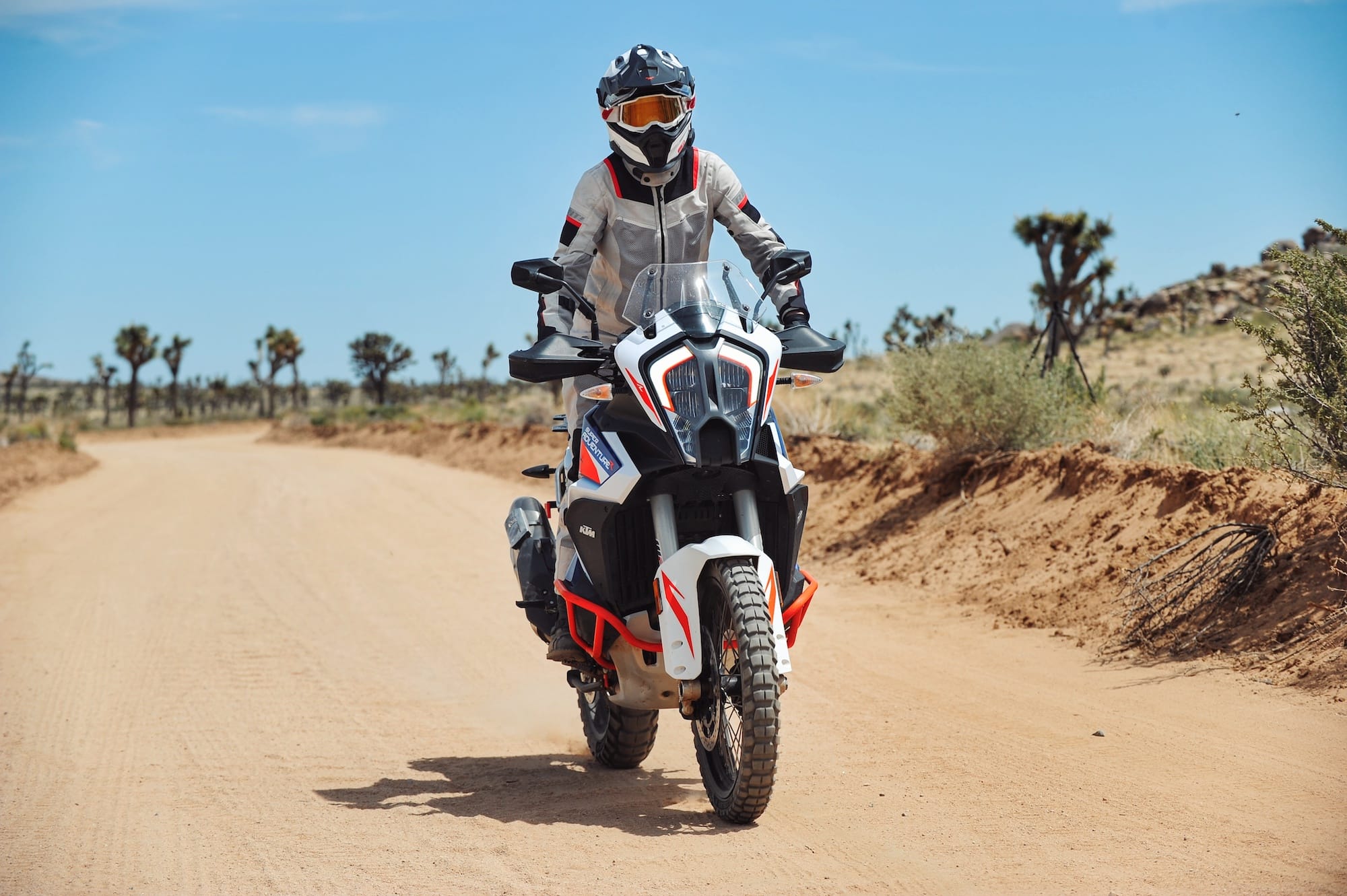
Yet, the only way to know what is going to happen is to actually give it a try! In the end, you will be rewarded by not only being able to ride big motorcycles, but also by the feeling of pride of accomplishing the daunting task.
Not finding many female role models in the motorcycle world is what made me believe that riding large bikes was not possible for me. Fortunately, more and more petite riders are joining the big bike team, and I am certain that the “small girls on big motorcycles” community will continue to grow.
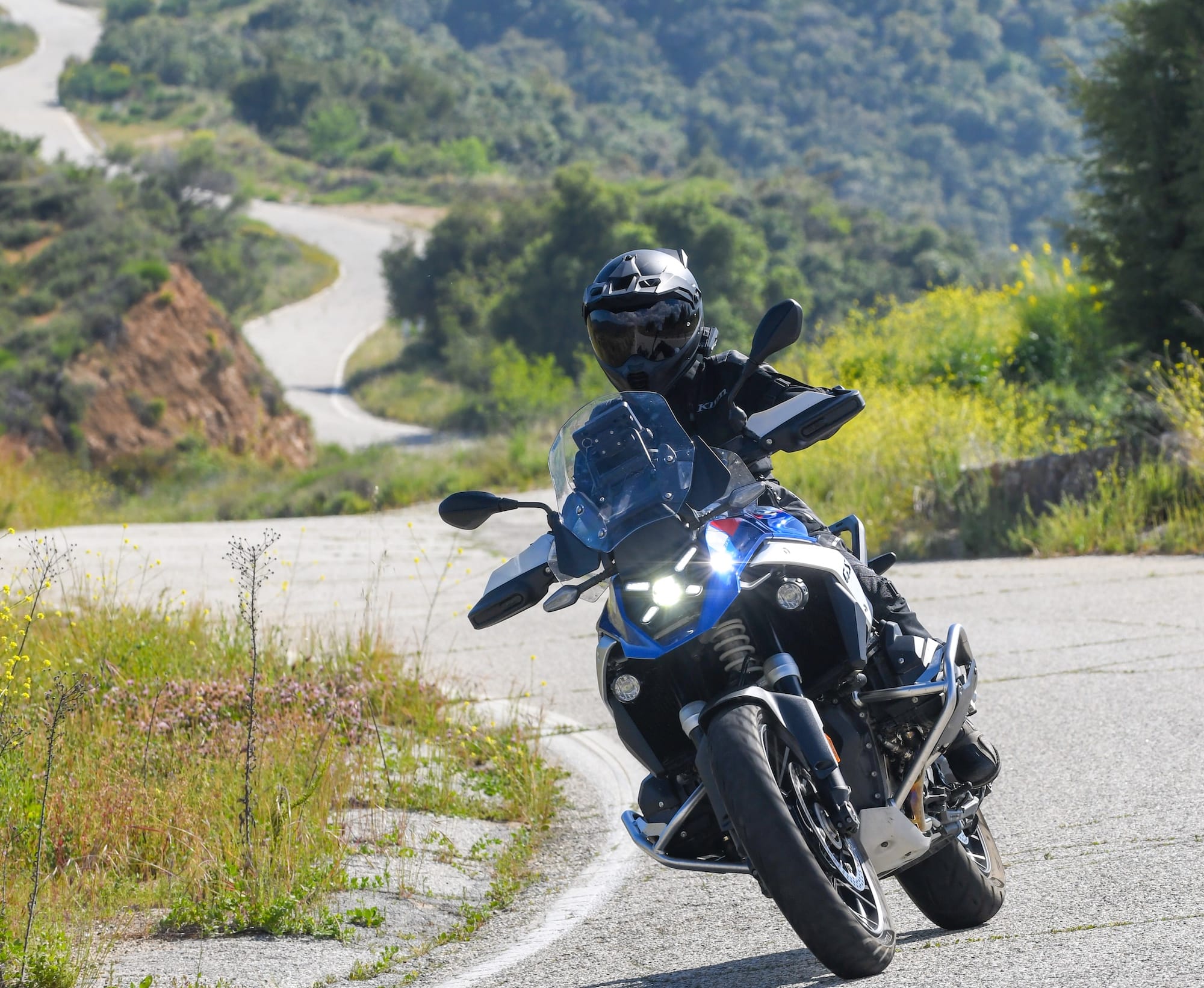
Strength, Balance, Confidence
Riding a big bike doesn’t require insane amounts of strength, but you do need some skills and practice. It’s not like you need to carry 500 pounds over your shoulders.
I’ve even found some big adventure bikes to be easier to balance than some much smaller motorcycles. Weight does not play all the roles on this stage.
Generally, the biggest difficulty in giving the big bikes a try seems to be facing all the fears that inhabit our minds and make us believe that everything will go sideways. The only way to shut all those thoughts down is to persevere toward your goal.
Once you overcome this hurdle, practicing and learning technique are the next steps. The purpose of practicing is not only to achieve the skills necessary to know how to handle the vehicle in all scenarios, but also to boost your confidence as you begin to feel more comfortable in the saddle.
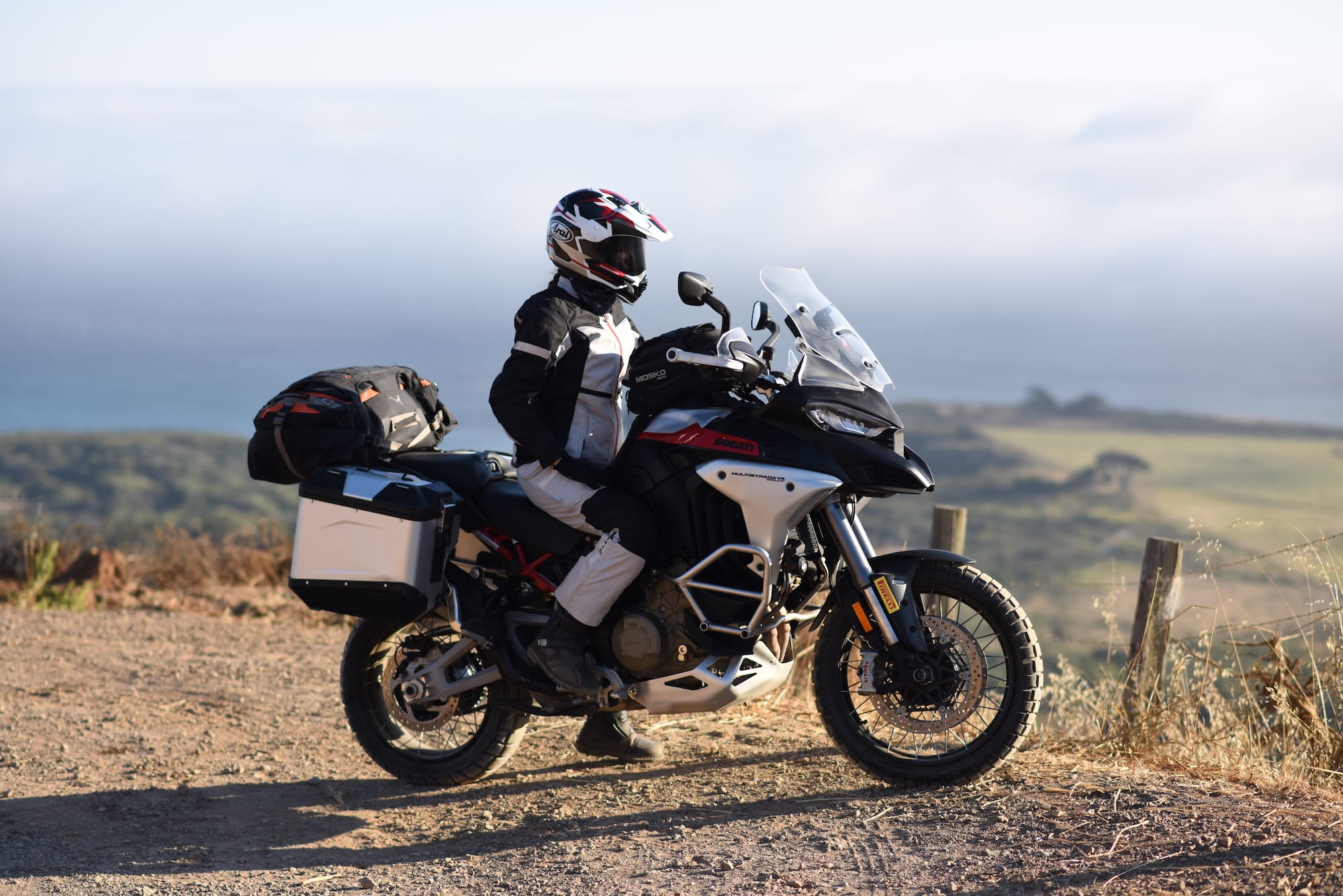
How To Start
Like many things in life, taking the first step is the most difficult part. However, there are some tips that can make that initial step a bit easier and safer.
At first, simple things like lifting the bike off the sidestand can be trickier on a bigger bike. Depending on the motorcycle’s weight distribution and its inclination in relation to the pavement or dirt, it will be a piece of cake or—on the contrary—a bit challenging.
Turning the handlebar to the left and using your hips to push the bike to the right (while not forgetting to be ready to catch it with the right foot from the other side) has been the most effective way for me to handle this task. Coordination in this movement sequence is key. If the bike is almost there but still not quite upright, taking a baby step closer to the machine with the left foot might save you from having to start over.
Moving the bike with the engine off or hopping on the bike with the sidestand retracted can be excellent exercises that help you understand the balance of the bike. They can also give you more confidence and control over the vehicle.
Especially when riding off-road, there are going to be moments where the terrain does not allow you to put down the sidestand to jump on or off the bike. In those situations, we truly realize the importance of practicing these sorts of skills.
Being a small woman on a big adventure bike, it is very possible that your ability to touch the ground with both feet vanishes. If you haven’t experienced this previously, it can be a bit nerve-wracking at first.
Every time you come to a stop, there can be a nagging thought that you might fall. I hear you. The key in this circumstance is to put only one foot down, instead of trying to reach the ground with both.
When possible, keeping the right foot on the rear brake until the bike is completely stopped can smooth out the braking and limit fork dive, making the task of balancing much simpler and more predictable.
On-Road Versus Off-Road
The motorcycle's weight can play a bigger role during off-road expeditions. It is common for petite riders to be afraid of the bike falling and not being able to pick it up.
However, practicing the technique of how to get the bike up is essential to make sure you are self-sufficient on the trails. You will probably relate to me when I say that every time I crash during an off-road adventure, all the members of the group seem extremely concerned about the situation and literally run toward me and my sleepy bike.
They sometimes will even start picking up the motorcycle before I have the opportunity to try it myself. I am always thankful for that fast reaction, but trying to pick up the vehicle by myself first is always the preferred option for me. It helps bolster confidence and diminish fears of dealing with situations like that.
This is what has worked for me. Every rider is different, and you will eventually find out what things help you the most.
The purpose of pushing your limits slowly but consistently is to be able to enjoy the bike of your dreams to the fullest with confidence and security.