ADV Bikes Without Success
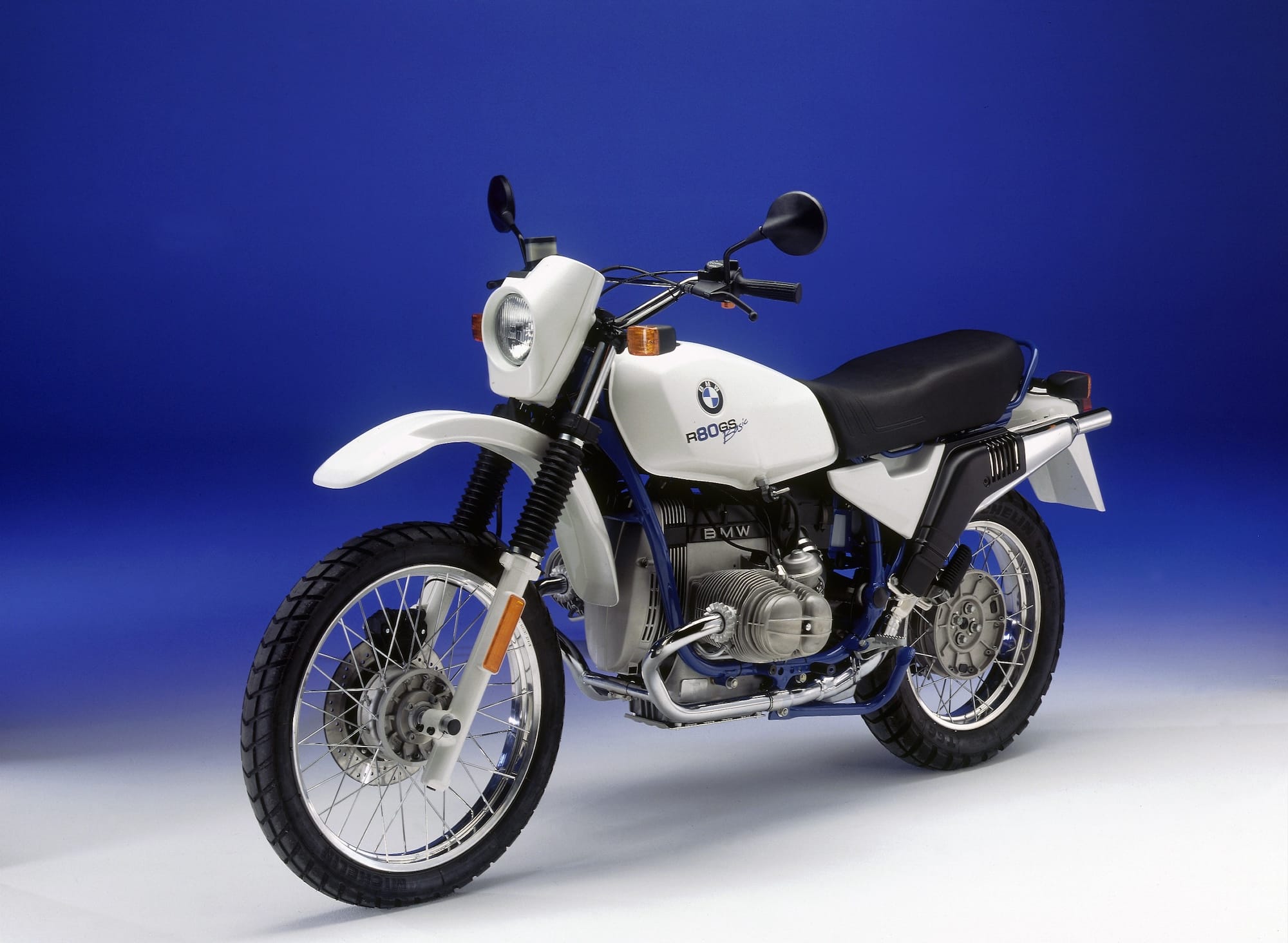
When the BMW R 80 G/S was unveiled for the first time in Avignon, France, on September 1, 1980, none of those present could have guessed it would become a milestone in motorcycle history. Even three weeks later at the IFMA motorcycle exhibition in Cologne, Germany, the first mass-produced twin-cylinder adventure bike was not received with great enthusiasm.
The R 80 G/S was born out of necessity. Business at BMW Motorrad was poor toward the end of the 1970s, and the air-cooled, two-valve boxer engines were no longer competitive against the emerging Japanese models.
At the same time, private initiatives between BMW employees Laszlo Peres and Rüdiger Gutsche had resulted in off-road prototypes. BMW’s successful involvement in off-road sports had further created a basis on which a new model series could be put into production with little investment.
A few years earlier, Yamaha had presented the XT500, a motorcycle that was suitable for off-road trips. Although the single-cylinder model sold brilliantly, it had a few weak points.
Without an electric starter, the XT500 was difficult to start, and it also had poor lighting and weak brakes. Riding comfort was rudimentary and engine performance barely sufficient.
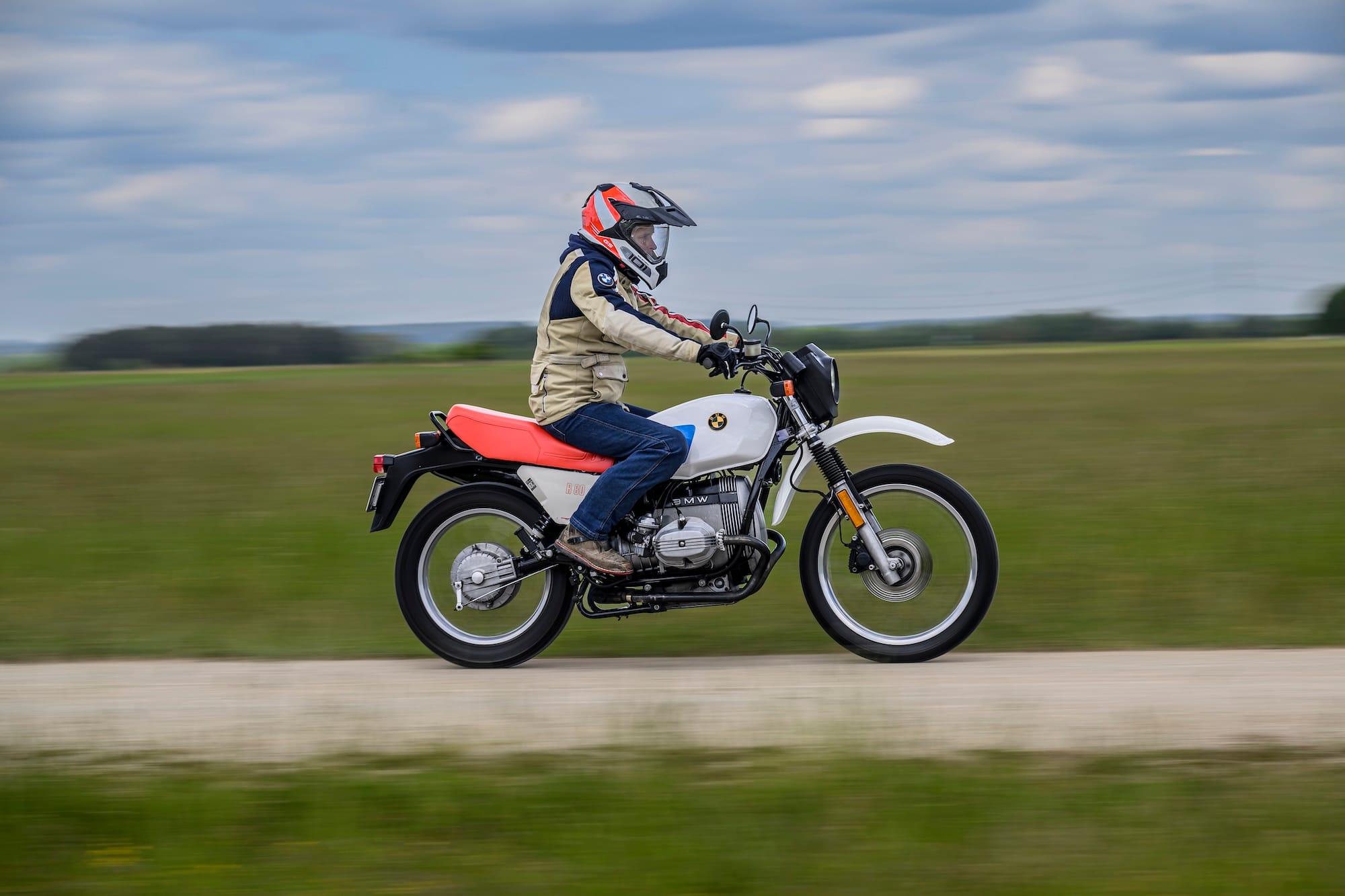
When developing the BMW R 80 G/S, the engineers were aware of these shortcomings and aimed to design a motorcycle that met all the requirements of an off-road touring machine. German magazine Motorrad described the G/S at the time as “the best road motorcycle BMW had ever built.”
The bar was set high, but it was still far from clear whether the ADV bike segment and the G/S would be successful. The Paris-Dakar Rally had been run for the first time in January 1979, and images of off-road bikes equipped with large fuel tanks racing through the desert began to spread around the world. A spirit of adventure took hold, with more and more motorcyclists attempting to explore exotic countries on custom-built machines.
Yet, not every adventure bike that came out of the boom is remembered as fondly as the R 80 G/S. Let’s take a look at some of its competitors that fell by the wayside.