9-step Guide to Planning Your Own Motorcycle Tour

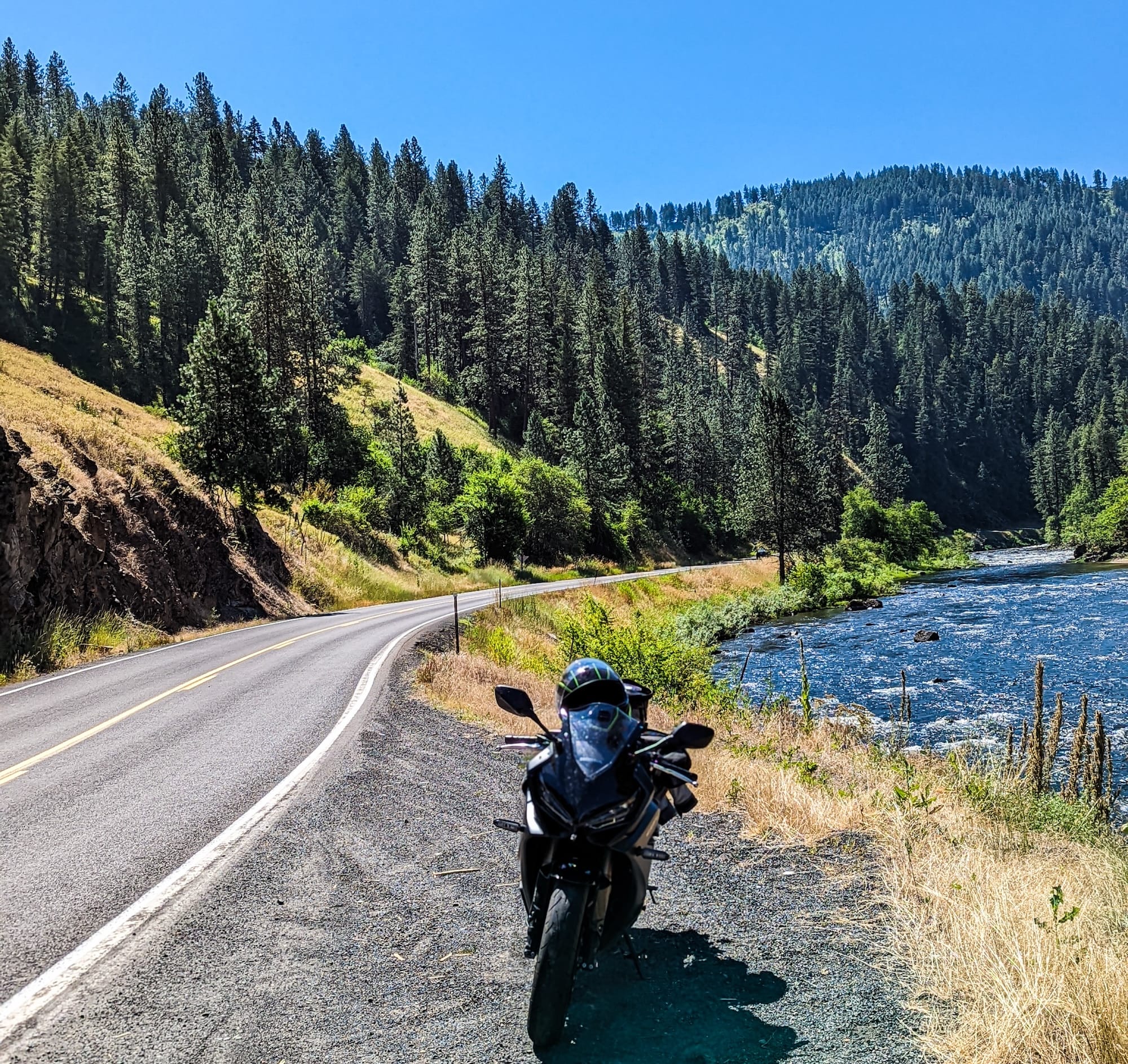
In the popular imagination, motorcycle riders are free spirits who embrace the open road without a care in the world. But although freedom is a quintessential part of riding, you should plan your motorcycle tours carefully instead of aimlessly roaming the roads.
A solid plan helps you have more fun, avoid unpleasant surroundings, and stay safe on unknown roads. However, if you’ve never planned a longer motorcycle tour, you might be at a loss about where to begin—and when to stop planning.
This guide will walk you through the entire motorcycle tour planning process. You’ll learn when to begin your planning process, how to decide where to go and what to ride, what to pack in your panniers, and most importantly, how to enjoy both planning and riding your homemade route.
1. Start Planning Early
You should start the planning process well in advance of your trip. In most cases, it’s a good idea to give yourself 2-3 months to plan your motorcycle tour.
This timeframe will give you plenty of time to go through all the other steps of the trip planning process. You can also typically score better deals on hotel and possible flight reservations when you don’t make them at the last minute.
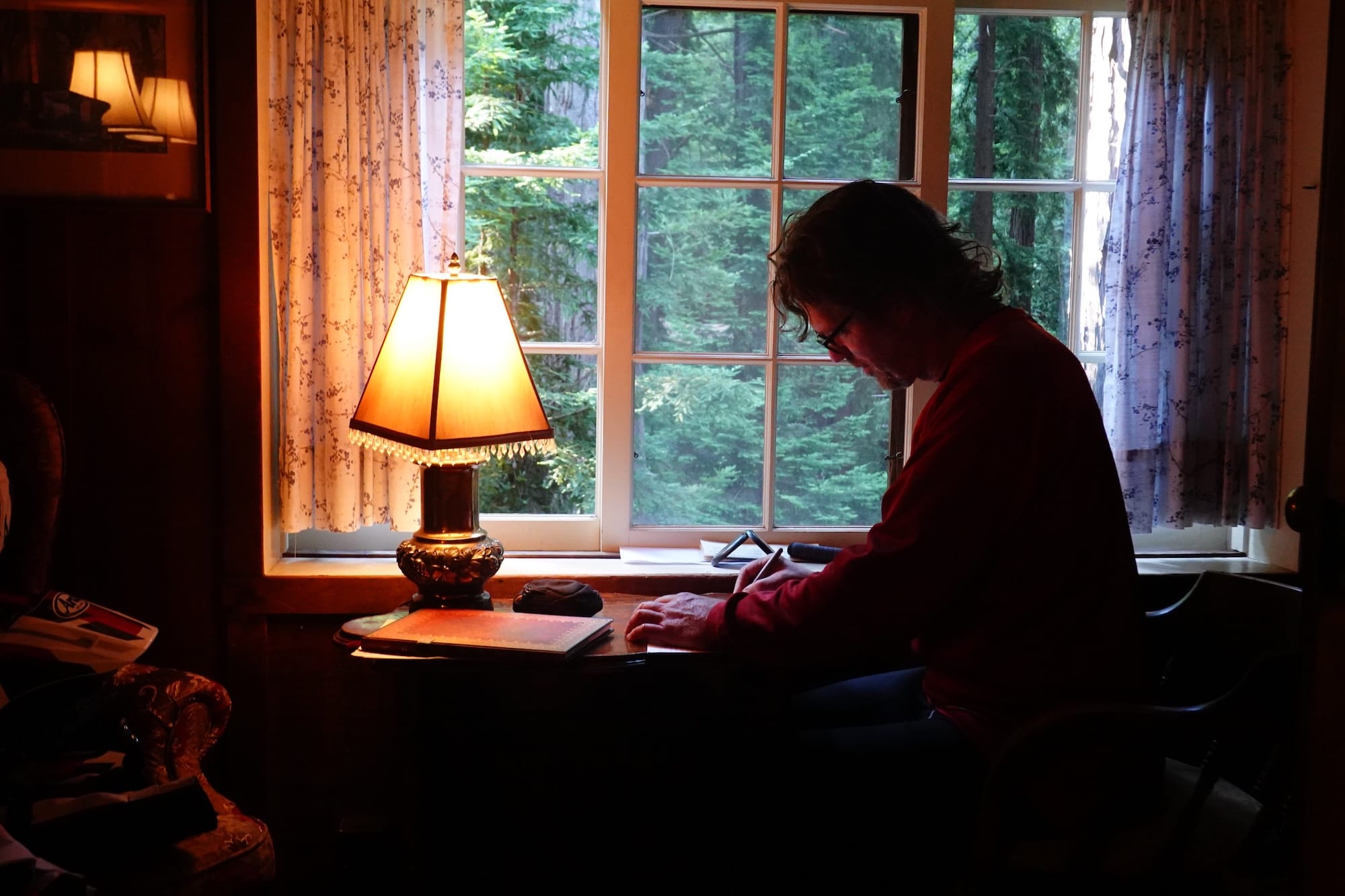
That said, you shouldn’t start planning too early, as your trip may become vulnerable to unforeseen disturbances. Adverse weather, local events, and many other things can close roads or make lodgings and POIs unavailable, which wastes your planning time.
Of course, how much time you need for planning depends on the length of your trip. A quick weekend jaunt to the neighboring city and back may only need a month, while a long tour out of the country will require thorough planning over six months or even longer.
2. Choose a Destination
The first and most important thing you should decide is where to go. Although picking a riding destination is always a personal choice, there are some guidelines you should consider.
When browsing motorcycling destinations, keep the type of riding you want to do in mind. If you want to carve through mountain twisties, there’s no point in heading to the Midwest prairie. Or, if you hear dirt trails calling, don’t go to a heavily urbanized metropolitan area. These examples are extreme, but the point is to match the roads to your intended ride.
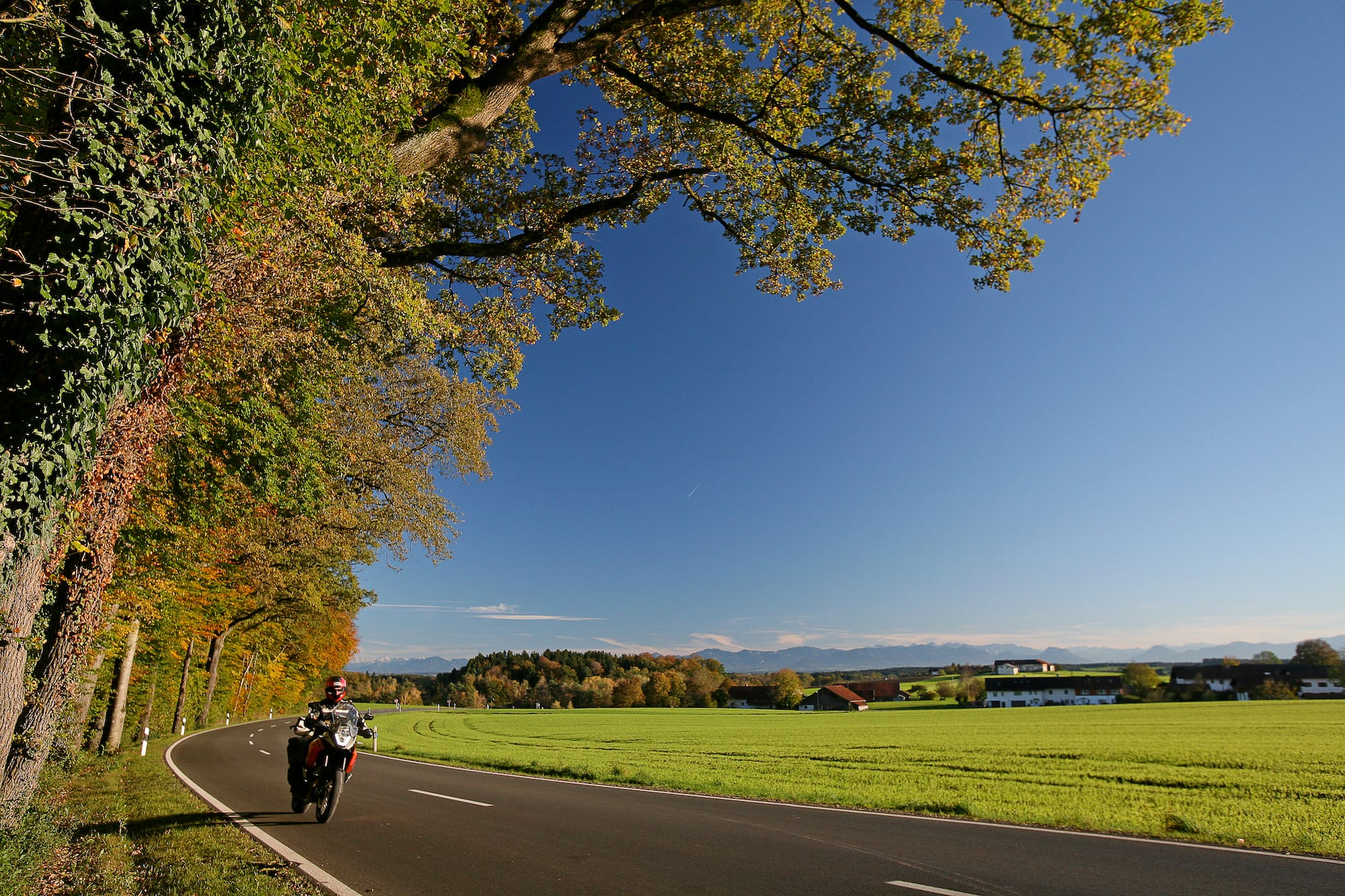
One of the best ways to find enticing riding destinations is by reading the experiences of other motorcyclists. Naturally, you should start by browsing the Destinations and Classic Roads categories on the RoadRUNNER website.
Other good places to find travel inspiration include motorcycling groups on social media, where riders often post about their tours with accompanying pictures. You might also take a peek at local tourism websites, as underneath the marketing spiels, you may discover underrated places and locations you might otherwise overlook. They also often have local maps and guidebooks for free.
3. Research the Destination
Once you’ve chosen your primary destination, the real work begins. Spend a good deal of time researching both the destination itself and the surrounding areas to find interesting things you might want to see.
Focus your research based on your main destination. If you’re heading to a specific city or town, explore the areas around it to find the best riding roads, natural sights, outdoor activities, and cultural attractions. On the other hand, if you’re drawn to a certain road, determine the best towns along it to eat and sleep, the distances between gas stations, and any POIs where you can stop to stretch your legs.
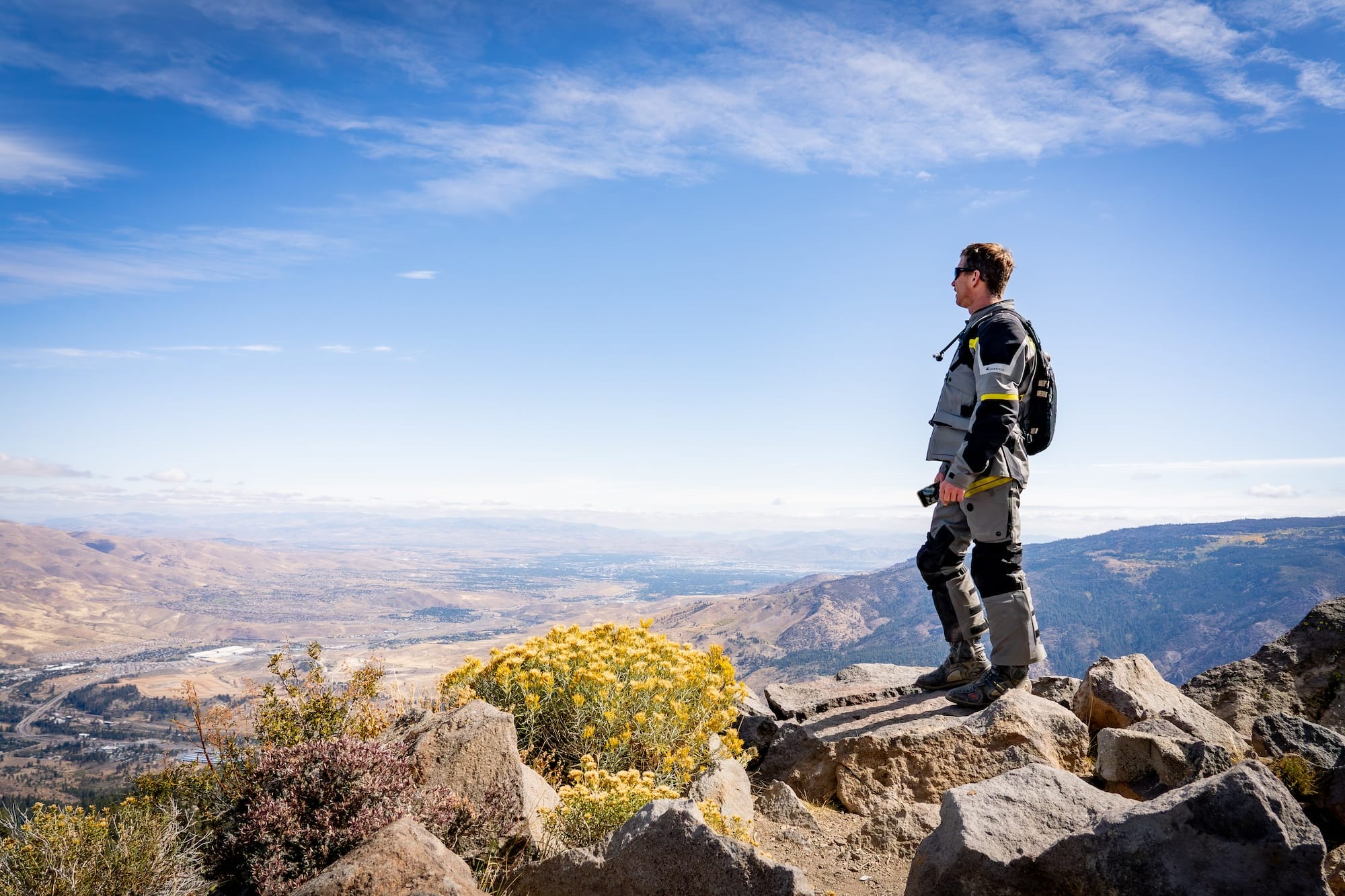
Important stops along the way should always include gas, water, food, general stores (if you are lucky!), and, of course, a fancy coffee stop. Although we hope to never need it, it is never a bad idea to know where the nearest medical facilities are in case of an emergency.
RoadRUNNER tour articles are an excellent place to start researching motorcycling destinations. In each, we highlight the best roads in the area, in addition to great restaurants, places to stay, and fascinating and fun things you can find within a reasonable riding distance.
4. Choose a Bike
Your destination and its surrounding roads will dictate the bike choice for your tour. Once you know where you’re riding, it’s time to think about how you’re going to ride there.
Many riders have more than one motorcycle in the garage. Often, this is because many of us like on-road touring as much as dual sport riding.
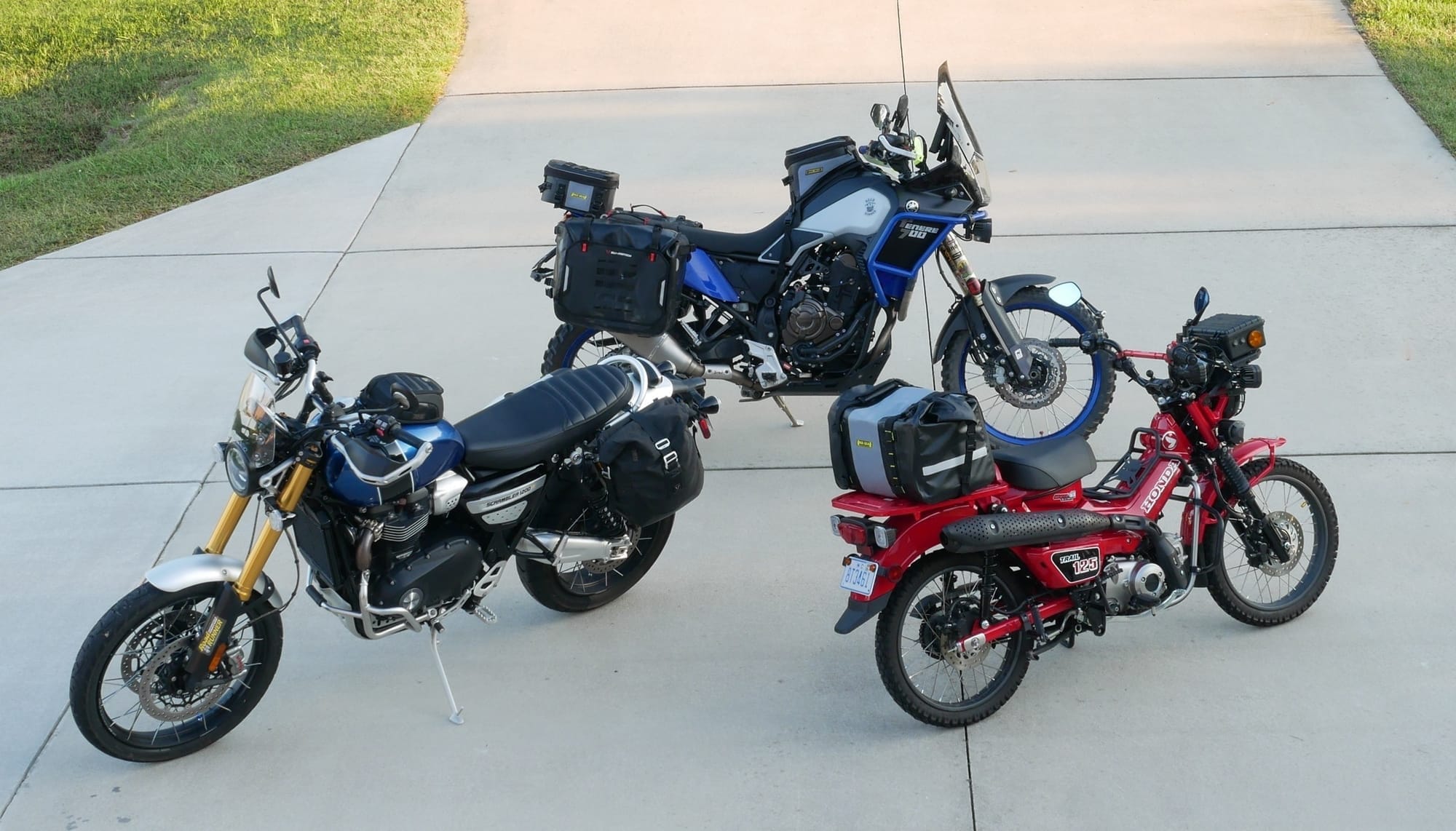
Check your motorcycle to make sure it can go the distance. The most overlooked components are often the most obvious: tires. If in doubt, get fresh rubber.
However, going on your own motorcycle is not always the best choice. When heading for domestic tours on the other side of the country, it may be smarter to do a fly-and-ride trip. Renting a motorcycle from a reliable rental agency, like EagleRider, can save you money and trouble in comparison to hauling your bike over hundreds of miles. Consider peer-to-peer rental services, like Riders Share and Twisted Road, as well.
If you’re dead set on riding a familiar bike far away, though, consult our guide to shipping motorcycles within the U.S. I’d say that getting to your destination on your motorcycle is half the fun, but it may not always be reasonable.
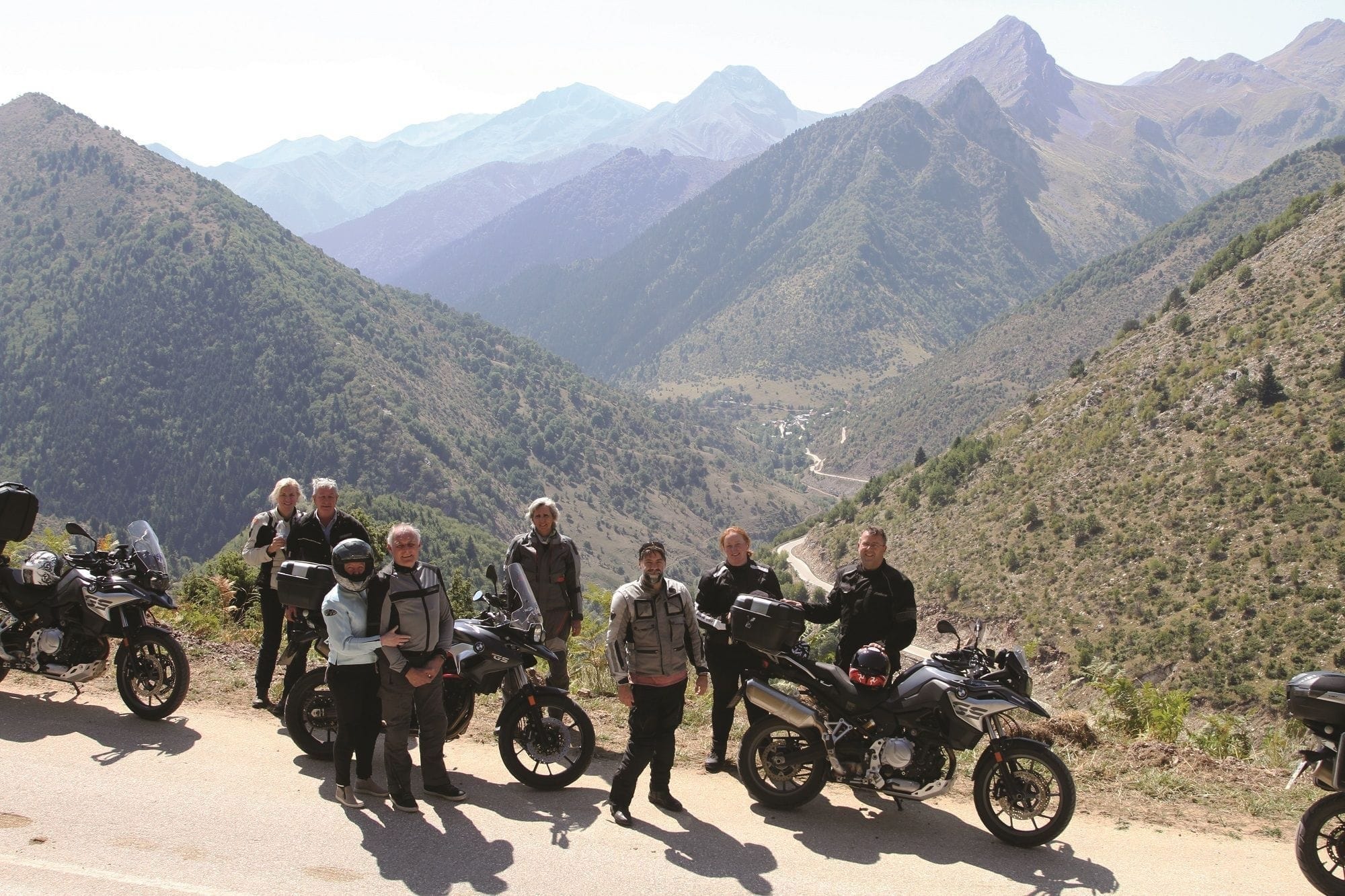
Another option is to book a seat on an organized motorcycle tour, especially if you’re heading on an international trip. The tour company will typically include bike rental in the price, and you can also save some planning time with the pre-prepared itinerary. For some RoadRUNNER-tested moto tour providers, check out our Tour Operators Guide.
5. Create Routes and Itineraries
With your destination, POIs, and motorcycle in mind, you can start creating the routes you will ride. For the best tour, you should plan which roads you’ll take, your daily distances, and where you’ll stop along the way.
With a clear plan in mind, you’re less likely to run out of gas or get caught by falling darkness on unfamiliar roads. You can also enjoy both the ride and your breaks to their fullest when you know how much time you have available.
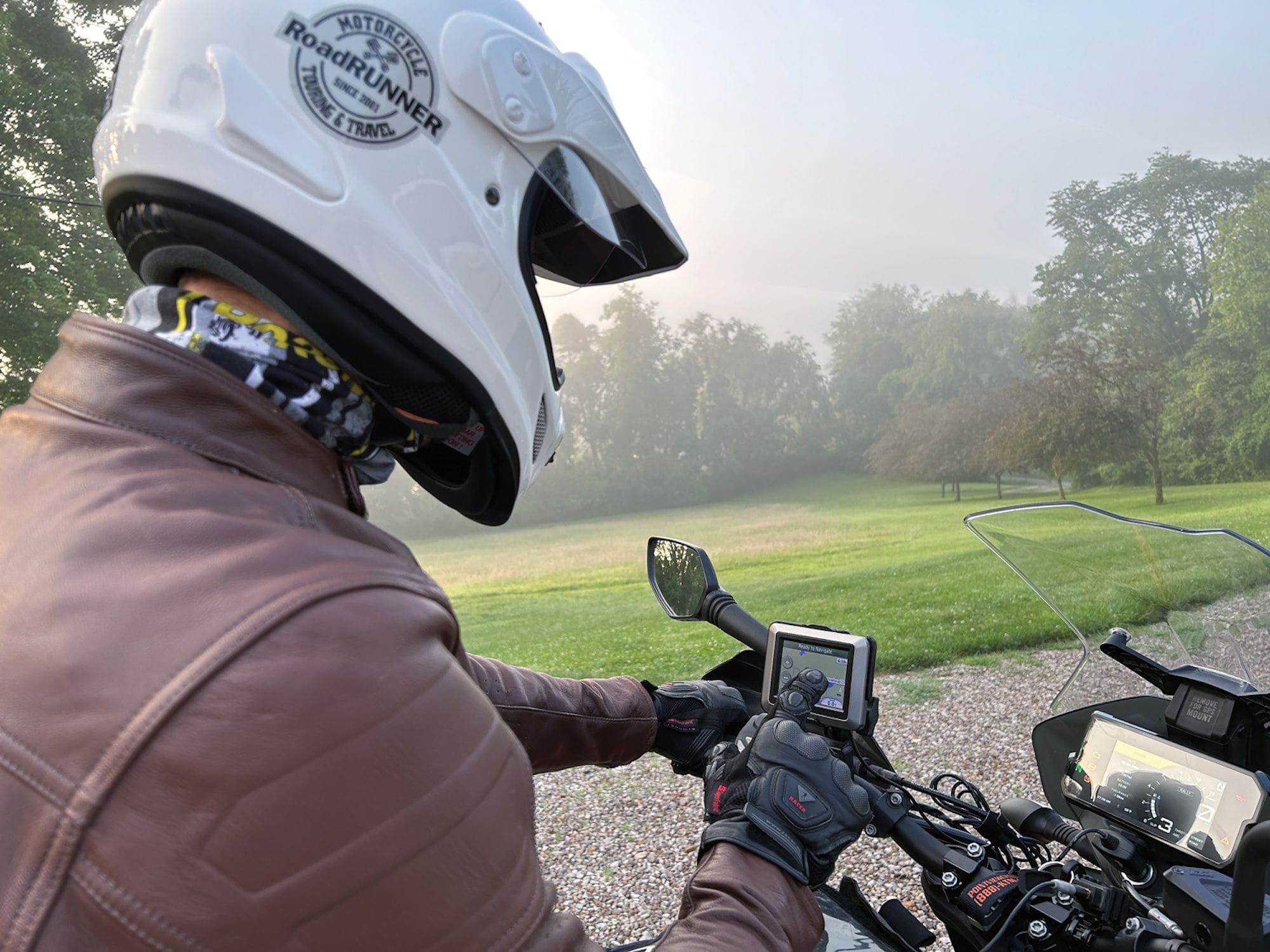
To determine daily mileages, a good rule of thumb is to assume an average moving speed of 40 mph. Then, consider how many hours you want to be in the saddle. It is always a good idea to stop every hour for a quick break. If you are out west and every road has a 60 mph speed limit, your daily mileage will obviously be higher, but for most riders, 200 miles is a full day.
Old-school motorcyclists can chart a tour with a paper map, a pen, a few sheets of paper, and a distance-measuring wheel. For most of us, though, a faster and more convenient solution is to use a route planning program or app.
You can plan routes using Google MyMaps (separate from Google Maps) or software provided by navigator manufacturers. However, an excellent motorcycle-specific routing tool is GPX.studio.
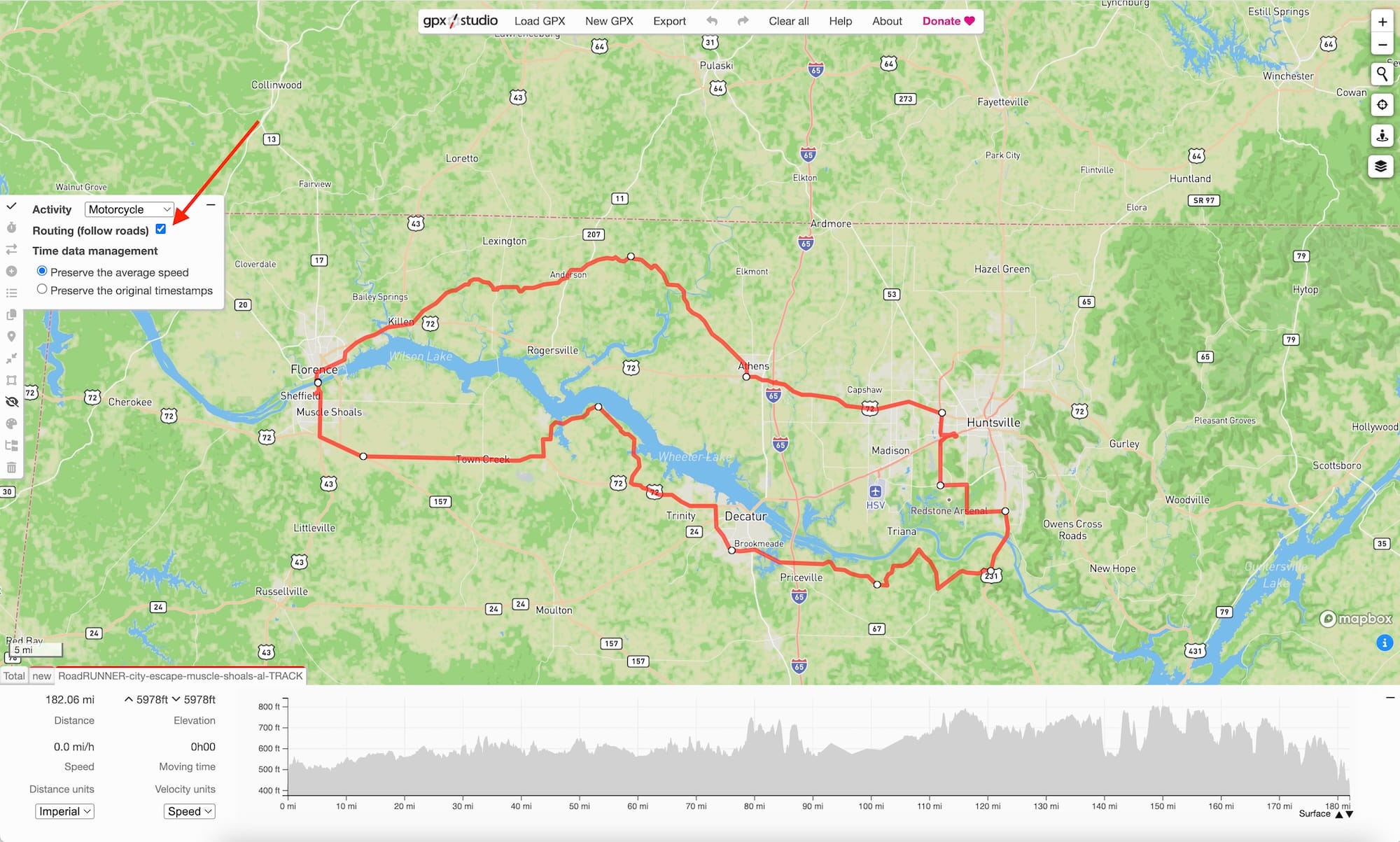
This online application is completely cost-free and has powerful features to create routes, examine distances and elevation data, add waypoints, plan timetables and itineraries, and more. Once you’re ready, you can export your route as a GPX file for uploading to your navigator.
Learn more about the software in our GPX.studio route planning guide. If you’re completely new to making digital routes, however, you might want to start with our GPS Terminology 101 article, where we explain the basic terms you’ll encounter.
6. Make Reservations
Once you know where and when you will be, it’s time to make all the necessary reservations. Book your lodgings, reserve flight tickets, and purchase any entrance passes you might need, such as national park vehicle permits.
In general, you can get the best deals on hotels when you book them about 4-6 weeks in advance. Airline tickets, meanwhile, are typically at their cheapest 1-2 months out for domestic flights and 3-5 months for international flights. Turn on private browsing or use an incognito browser so you aren’t subjected to dynamic pricing from booking platforms.
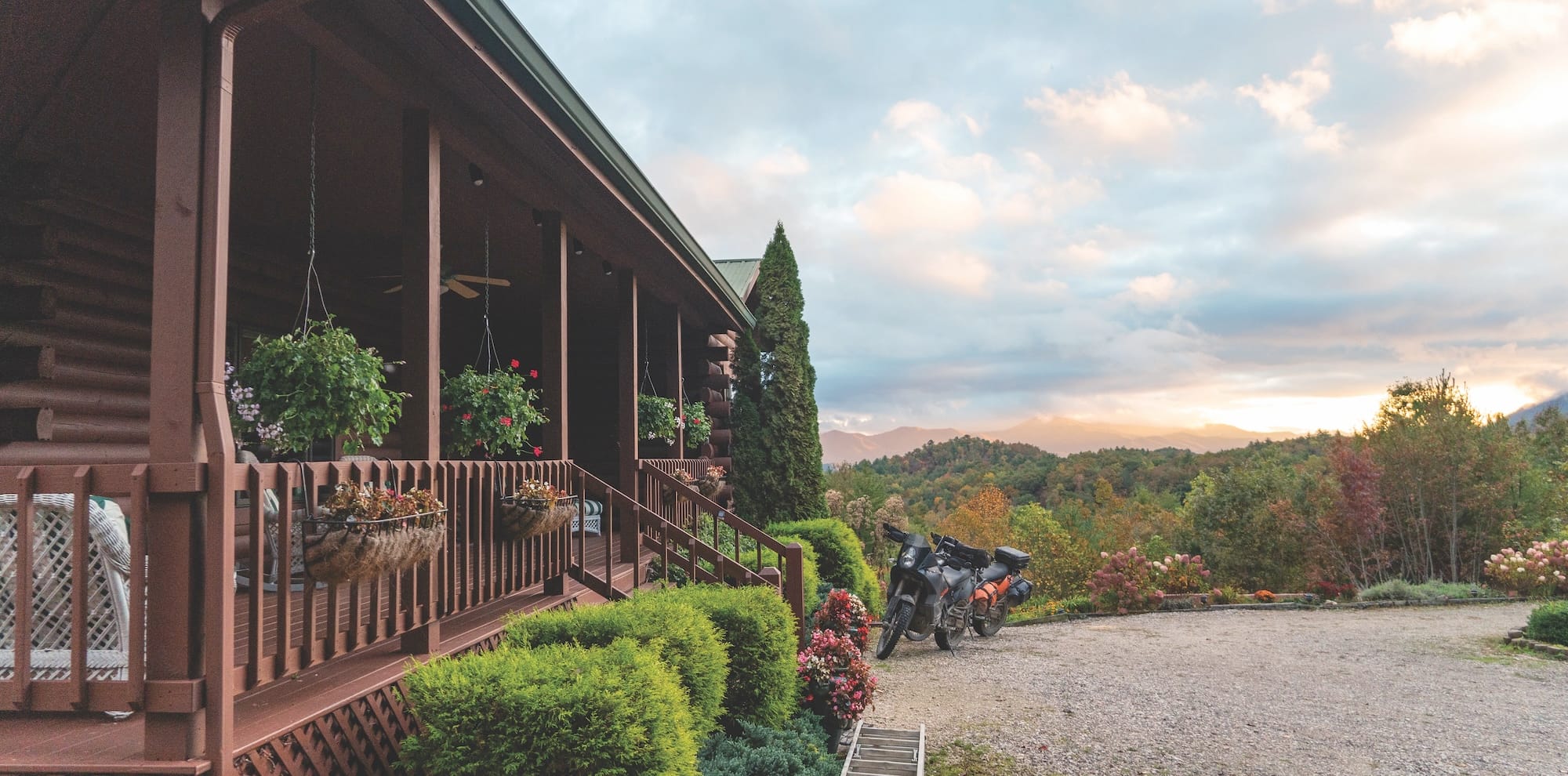
However, there’s one caveat to this: very long motorcycle trips. If you’re going on a multi-week tour, it’s best practice to only book hotels a week in advance. This way, you won’t have to call through the 10 hotels you’ve planned to stay at during Weeks 3-4 if something goes wrong on Week 1 and you have to change plans.
As to the price, you won’t have to worry about that either. A week away is the second-best time to book rooms, as lodging establishments are starting to get anxious about rooms potentially standing empty.
Additionally, you may want to consider pitching in for the cancellation warranty most hotels and airlines offer. Motorcycle tours are unfortunately prone to sudden changes, so paying a little bit extra during booking may save you money in the long run.
7. Write a Packing List
Packing a motorcycle is a real art form. Before you start stuffing things into your panniers, draft a packing list to figure out how to make the most of the limited space available.
Your main rule of thumb when packing a motorcycle is, “Less is more.” Overloading your bags will make handling both them and your motorcycle difficult. Remember, if you realize you need something, you can likely buy it along the way.
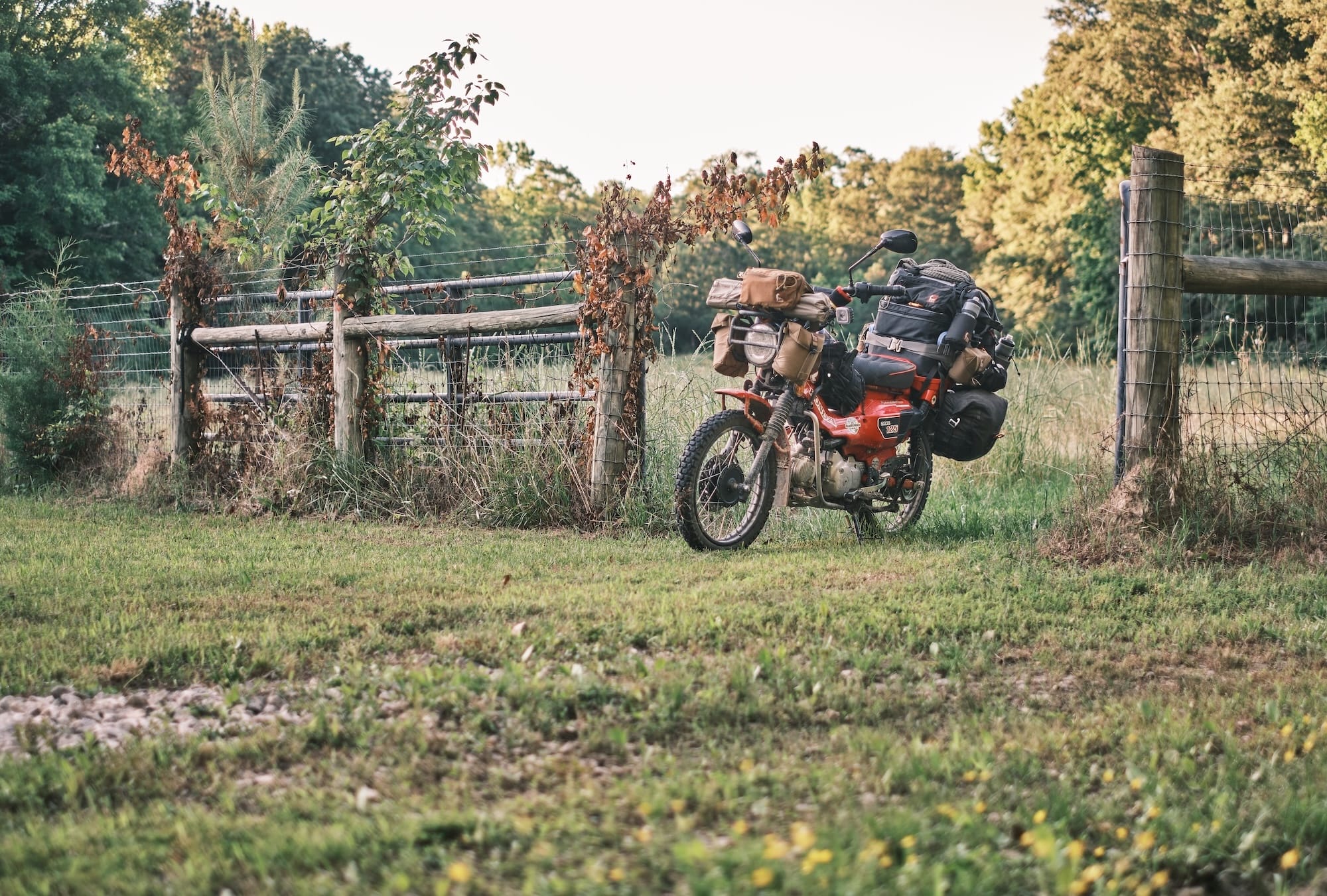
Also, make sure to match your luggage system (hard or soft bags, a luggage rack or a harness system) to the type of riding you intend to do. Bags aren’t made equal, and the wrong kind of luggage system can even make riding dangerous.
For some quick packing best practices, read RoadRUNNER’s four essential motorcycle packing tips. If you’d like some in-depth advice, read (or watch) our packing guide for 7-day motorcycle trips.
8. Print and Share Your Itinerary
Before you hit the road, make sure to print (or write down) your planned itinerary for the tour. This way you always have access to it, no matter the situation.
Although you certainly have your planned routes, hotel reservations, and other details on your phone, you may not always be able to rely on digital devices. They may lose connection, run out of battery, break due to bike vibration, or glitch and seize up at the worst possible moment.
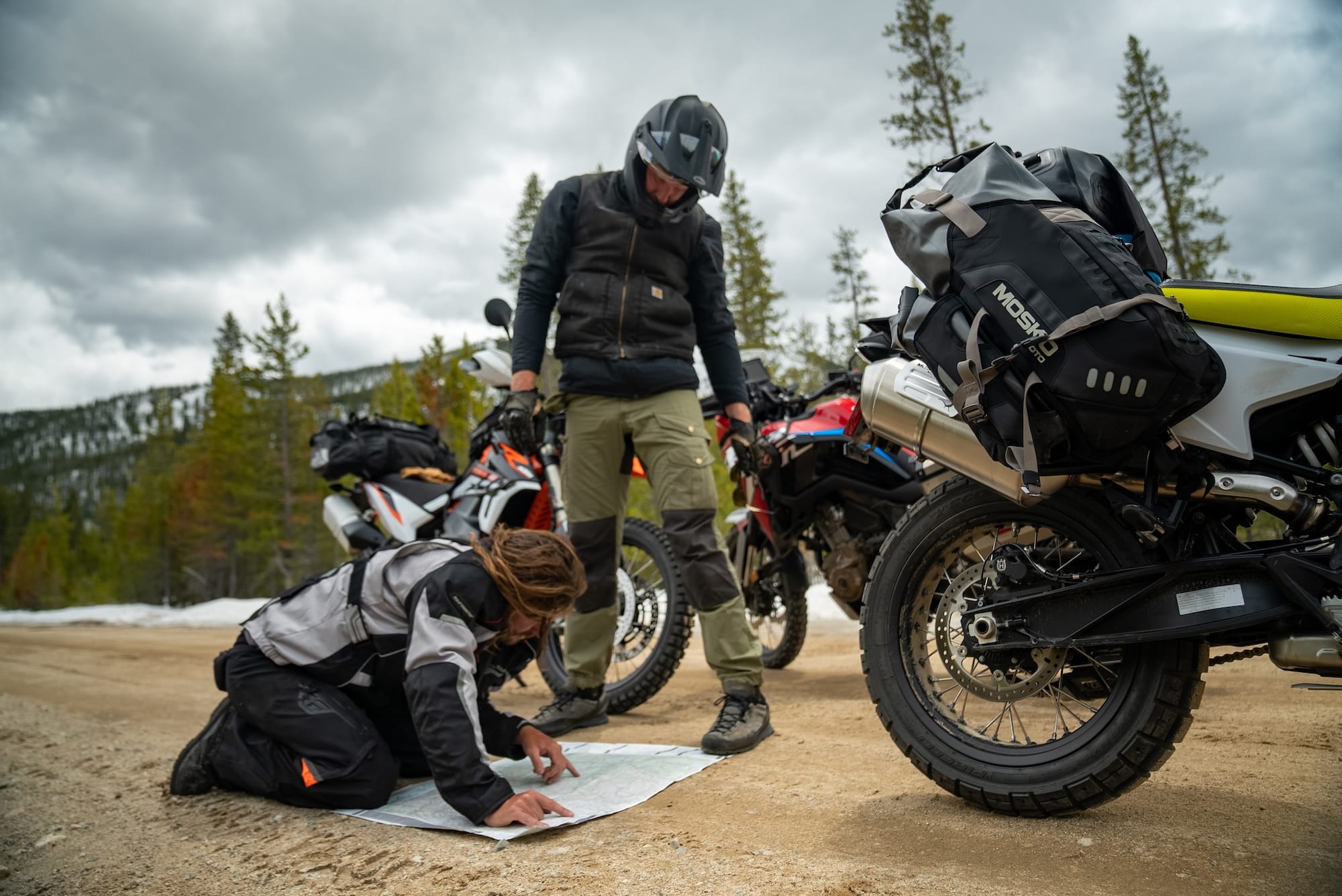
Additionally, having a printed itinerary can help you in an accident. It allows emergency responders or passersby to see where you were planning to be and when, which can shorten response times.
You should also let someone at home know your planned route, be it a family member, friend, or even a coworker. Make arrangements to let them know that you’ve reached your destination at the end of every riding day. If you don’t check in, they’ll know that something may be wrong and can call for help.
9. Remember to Enjoy the Ride
Finally, you should always keep in mind that you’re out there to have a good time. This means that you shouldn’t sweat the small stuff and embrace whatever the road throws your way.
The fact is that things can—and will—go awry, no matter how meticulously you’ve planned your motorcycle tour. And that’s alright.
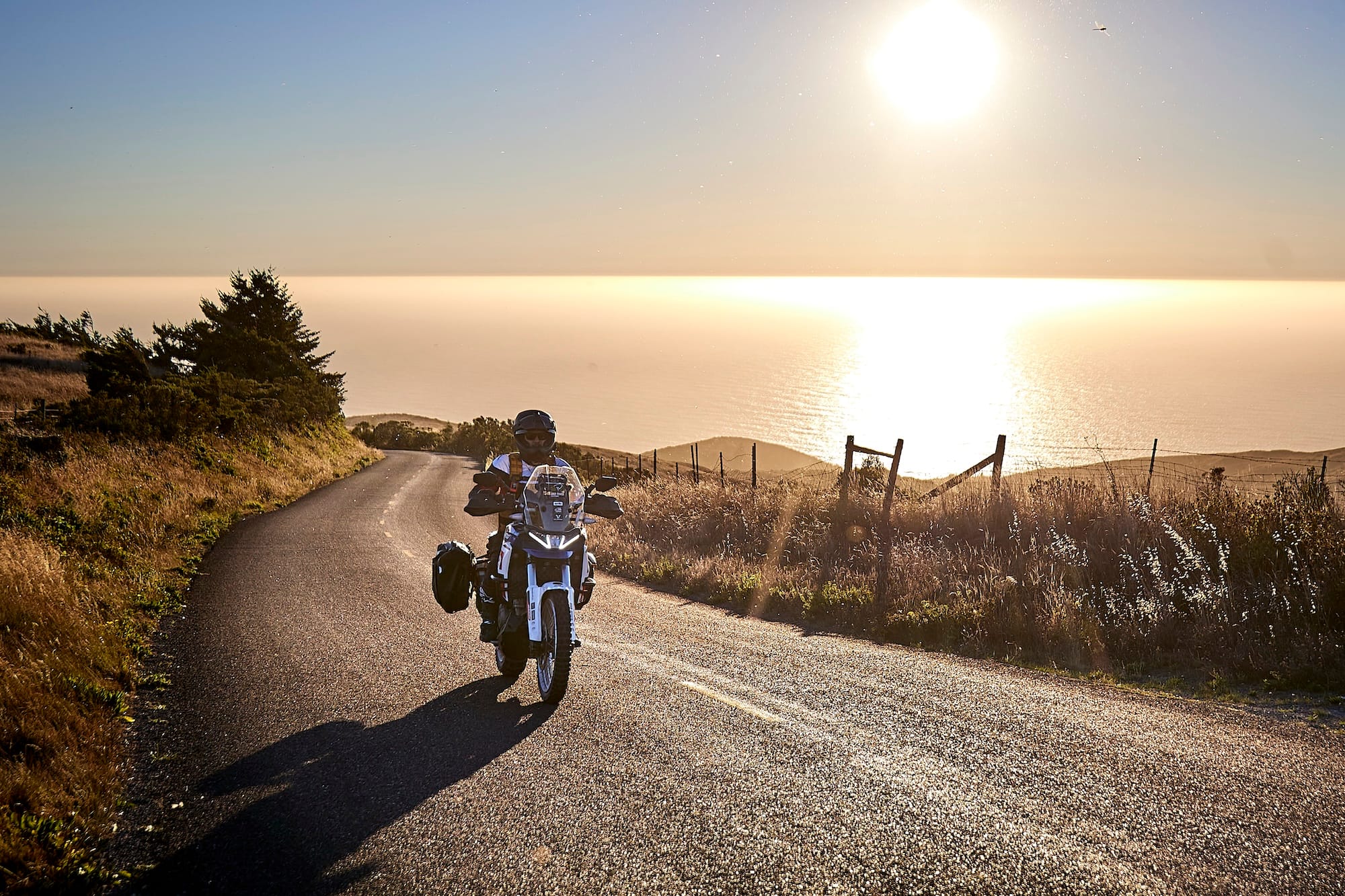
Always leave room for adventure, errors, and fun. Running a few hours behind on your planned schedule because you ran into a road closure is not the end of the world. Besides, you might find some unexpected and unforgettable sights on the backroads.
Remember, you’re on a motorcycle to enjoy the ride. Plus, 20 years from now, you're not going to tell your friend about the covered bridge you saw, but you will definitely tell them about the interesting character you met while on an unplanned detour.